



20
2026
-
06
Innovative Techniques in Aluminum Casting for Mold Manufacturing: Enhancing Efficiency and Precision
Author:
Innovative Techniques in Aluminum Casting for Mold Manufacturing
Table of Contents
- Introduction to Aluminum Casting in Mold Manufacturing
- Historical Background of Aluminum Casting Techniques
- Modern Techniques in Aluminum Casting
- Sustainability in Aluminum Casting Processes
- Technological Advancements Revolutionizing Aluminum Casting
- Quality Control Measures in Aluminum Casting
- Case Studies: Successful Implementations
- Future Trends in Aluminum Casting for Mold Manufacturing
- Conclusion: Embracing Innovation in Aluminum Casting
- Frequently Asked Questions
Introduction to Aluminum Casting in Mold Manufacturing
Aluminum casting is an essential process in mold manufacturing, playing a crucial role in producing high-quality components for various industries. As we navigate through technological advancements and market demands, it's imperative to explore **innovative techniques** that enhance productivity, precision, and sustainability in aluminum casting. This article aims to provide an in-depth view of the **latest innovations** in aluminum casting techniques specifically tailored for mold manufacturing, ensuring that manufacturers can stay competitive in an ever-evolving landscape.
Historical Background of Aluminum Casting Techniques
The history of aluminum casting dates back over a century. Initially, aluminum was a rare metal used for decorative items and jewelry. However, its lightweight and corrosion-resistant properties made it an attractive choice for various applications. Early casting techniques primarily involved **sand casting**, which allowed for the production of relatively simple shapes. Over time, advancements led to the development of more complex techniques such as **die casting** and **investment casting**, which dramatically improved the precision and efficiency of the molding process.
Modern Techniques in Aluminum Casting
As industries demand higher quality and more complex components, modern aluminum casting techniques have evolved to meet these needs. Let's delve into three prominent methods currently shaping the industry:
Die Casting
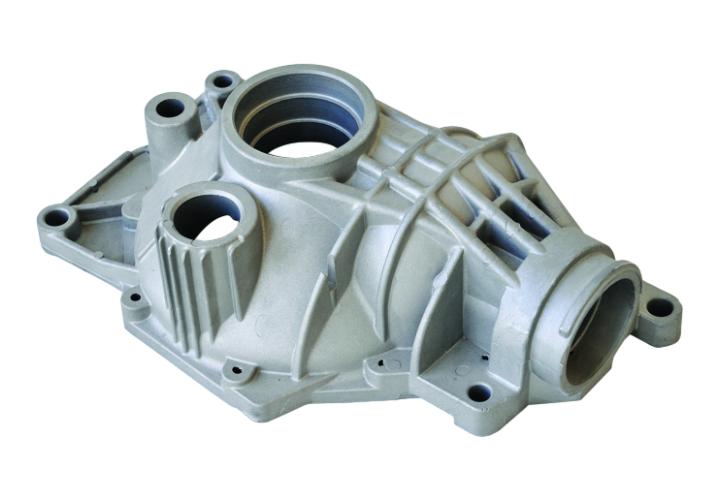
Die casting is a highly efficient manufacturing process that involves forcing molten aluminum into a mold under high pressure. This technique is particularly advantageous for producing large volumes of intricate parts with excellent surface finishes. Innovations in die casting technology, such as **hot-chamber** and **cold-chamber** processes, have enhanced cycle times and reduced material waste. By utilizing advanced alloys, manufacturers can achieve superior mechanical properties, making die casting a preferred choice for automotive and aerospace applications.
Sand Casting
Sand casting remains a fundamental technique in aluminum casting due to its versatility and cost-effectiveness. In this process, a mold is created using a mixture of sand and binder. Recent innovations have aimed at improving the quality of sand molds, with the introduction of **3D printing** technologies that allow for the rapid production of complex geometries. This method not only reduces lead times but also minimizes the need for additional machining, resulting in lower production costs and increased efficiency.
Investment Casting
Investment casting, often referred to as the **lost-wax** process, allows for the creation of highly detailed components with exceptional accuracy. This technique involves coating a wax pattern with a ceramic shell, which is then heated to melt away the wax, leaving a precise mold. Innovations in investment casting have led to the development of **ceramic materials** that can withstand higher temperatures, allowing for the casting of aluminum alloys with improved strength and durability. This method is especially beneficial in industries where precision is paramount, such as medical devices and aerospace.
Sustainability in Aluminum Casting Processes
Sustainability has become a primary focus for manufacturers worldwide. The aluminum casting industry is no exception, with increasing pressure to adopt eco-friendly practices. Innovative techniques such as **recycling** and **reusing** aluminum scrap are being implemented to reduce the environmental impact of the casting process. Additionally, advancements in energy-efficient furnaces and processes have significantly decreased the carbon footprint associated with aluminum casting. By embracing sustainable practices, manufacturers not only comply with regulations but also appeal to environmentally conscious consumers.
Technological Advancements Revolutionizing Aluminum Casting
The integration of technology in aluminum casting has resulted in remarkable improvements in the manufacturing process. Here are several key advancements transforming the industry:
Automation and Robotics
The rise of automation and robotics in aluminum casting has revolutionized production efficiency. Automated systems handle repetitive tasks, reducing human error and increasing output. Robotics are particularly beneficial in handling hazardous materials and performing intricate operations, thereby enhancing workplace safety.
Computer-Aided Design (CAD) and Simulation
CAD software allows manufacturers to design molds with incredible precision. Coupled with simulation technologies, manufacturers can predict potential issues before physical production begins, minimizing costly errors and optimizing the casting process.
Additive Manufacturing
Additive manufacturing, commonly known as 3D printing, has made significant inroads into the aluminum casting sector. This technique allows for the rapid prototyping of molds and components, enabling manufacturers to bring products to market faster. Furthermore, it facilitates the creation of complex geometric shapes that traditional methods cannot achieve.
Quality Control Measures in Aluminum Casting
Ensuring the quality of casted aluminum components is paramount in maintaining industry standards. Implementing robust **quality control measures** is crucial for manufacturers. Here are some essential practices:
Non-Destructive Testing (NDT)
NDT methods, such as ultrasonic testing and radiographic testing, enable manufacturers to detect internal defects without damaging the components. By incorporating NDT, manufacturers can ensure their products meet stringent quality specifications.
Process Monitoring
Real-time monitoring of the casting process allows manufacturers to identify anomalies promptly. Utilizing advanced sensors and data analytics, manufacturers can adjust parameters to maintain consistency and quality throughout production.
Material Testing
Conducting rigorous material testing ensures that the aluminum alloys used in casting meet the required mechanical properties. Regular analysis of chemical compositions helps maintain the quality and performance of the final products.
Case Studies: Successful Implementations
Examining real-world applications of innovative aluminum casting techniques can provide valuable insights. Here are a few case studies highlighting successful implementations:
Case Study 1: Automotive Industry
An automotive manufacturer adopted advanced die casting techniques to produce engine components. By utilizing high-pressure die casting, they achieved significant weight reduction without compromising strength. This led to enhanced fuel efficiency and performance in their vehicles.
Case Study 2: Aerospace Sector
A leading aerospace company integrated investment casting into their production line to manufacture turbine blades. The precision offered by this technique allowed for intricate designs that improved aerodynamics and performance. The company reported a notable reduction in lead times and production costs.
Case Study 3: Consumer Electronics
A consumer electronics manufacturer implemented sand casting techniques enhanced by 3D printing. This allowed for rapid prototyping and testing of new designs, significantly shortening the product development cycle. The company successfully launched new products to market faster, gaining a competitive edge.
Future Trends in Aluminum Casting for Mold Manufacturing
As the aluminum casting industry continues to evolve, several trends are emerging that will shape its future:
Smart Manufacturing
The concept of smart manufacturing, where machines and systems are interconnected, is gaining traction. This approach will enhance efficiency, reduce waste, and improve overall productivity.
Advanced Alloys
The development of new aluminum alloys with superior properties will enable manufacturers to create lightweight components that meet demanding performance standards across various industries.
Increased Focus on Sustainability
As environmental concerns grow, manufacturers will increasingly adopt sustainable practices and materials, striving for a circular economy in the aluminum casting sector.
Conclusion: Embracing Innovation in Aluminum Casting
The aluminum casting industry is on the brink of a transformative shift, driven by innovative techniques and technologies. By embracing advancements such as die casting, sand casting, and investment casting, manufacturers can enhance efficiency, precision, and sustainability in mold manufacturing. It is imperative for industry players to stay abreast of these changes to remain competitive and meet the evolving demands of the market. The future of aluminum casting holds immense potential for those willing to invest in innovation and sustainability.
Frequently Asked Questions
1. What are the main techniques used in aluminum casting?
The main techniques include die casting, sand casting, and investment casting. Each method has its unique advantages and is suited for different applications.
2. How does sustainability impact aluminum casting?
Sustainability impacts aluminum casting by promoting recycling and reducing waste, leading to lower environmental impact and compliance with regulations.
3. What role does automation play in aluminum casting?
Automation enhances efficiency and safety in the aluminum casting process by reducing human error and handling hazardous materials.
4. How can manufacturers ensure the quality of casted aluminum components?
Manufacturers can ensure quality through non-destructive testing, process monitoring, and rigorous material testing.
5. What are the future trends in aluminum casting for mold manufacturing?
Future trends include smart manufacturing, the development of advanced alloys, and an increased focus on sustainability practices.
This comprehensive guide on innovative techniques in aluminum casting for mold manufacturing serves to empower manufacturers and industry stakeholders to embrace technological advancements and sustainability, ensuring a competitive edge in the marketplace.
aluminum casting
18
2026-10
Empowering Manufacturers: The Benefits of Die Casting Machines
15
2026-10
Understanding Aluminum Die Casting: A Key Process in Metal Manufacturing
12
2026-10
Aluminum Alloy Mold Maintenance: Best Practices and Tips for Longevity
09
2026-10
Understanding Zinc Alloy Molds: A Key Component in Precision Manufacturing
06
2026-10
Innovative Uses of Zinc Alloy in Sustainable Energy Solutions
03
2026-10
The Versatility and Advantages of Aluminum Alloys in Modern Applications
30
2026-09
The Art of Crafting Durable Aluminum Casts for Industrial Applications
GM Diecasting Technology Co.,Limited.
Add:Building 1-5, Chongke Road, Shipai Town, Dongguan City, Guangdong Province
Email:henry@gmdiecastingtech.com
Email:lily@gmdiecastingtech.com
Tel:+8613680864695