



05
2025
-
03
Application of automation technology in best prototype aluminum casting
Author:
In the field of prototype aluminum casting, automation technology is playing an increasingly important role.
Automation technology performs well in the processing of aluminum liquid. Through the automated furnace control system, the temperature, composition ratio and other parameters of the aluminum liquid can be accurately controlled. The temperature sensor and the automated heating adjustment device cooperate to ensure that the aluminum liquid is at the optimal casting temperature and avoid casting defects caused by temperature fluctuations. At the same time, the automated batching system can accurately add various alloy elements according to the preset aluminum alloy composition ratio to ensure the stability of the aluminum liquid quality, which is crucial for the accuracy and quality of prototype casting.
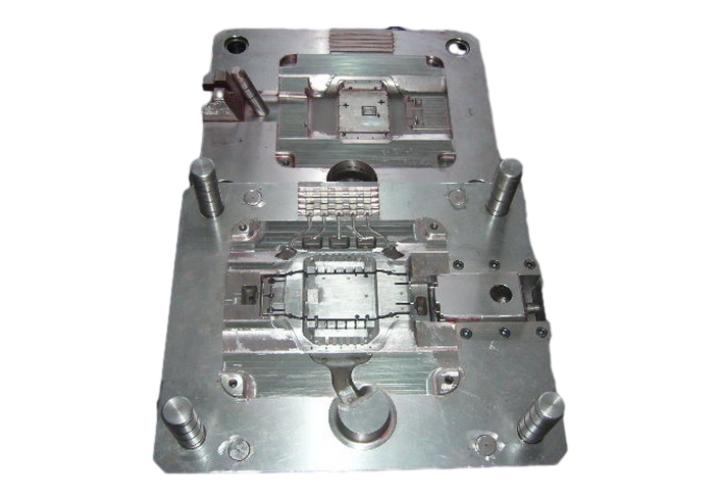
In the casting process, automated casting equipment has changed the traditional casting method. The automated casting robot can inject aluminum liquid into the mold at a stable speed and precise flow rate. This precise casting can effectively prevent defects such as insufficient pouring and cold shut. Moreover, the robot can flexibly adjust the casting trajectory and height according to the complexity and specific shape of the mold to meet the needs of different prototype parts.
In terms of mold processing, the automated mold opening and closing device and demolding system improve production efficiency. The mold opening and closing device can accurately and quickly complete the opening and closing of the mold according to the program, reducing the error and time loss of manual operation. The demoulding system uses an automated ejection mechanism to smoothly eject the cast prototype from the mold at the right time, avoiding damage to parts caused by improper demoulding.
Automation technology is also used in quality inspection. Automated flaw detection equipment and dimensional measuring instruments can quickly and accurately detect the cast prototype aluminum parts, and timely detect internal defects and dimensional deviations, thereby ensuring that the prototype parts shipped meet high quality requirements. In short, the application of automation technology in prototype aluminum casting has greatly improved production efficiency, product quality and process stability.
prototype aluminum casting
Previous Page
Next Page
Previous Page
Next Page
06
2026-10
Innovative Uses of Zinc Alloy in Sustainable Energy Solutions
03
2026-10
The Versatility and Advantages of Aluminum Alloys in Modern Applications
30
2026-09
The Art of Crafting Durable Aluminum Casts for Industrial Applications
27
2026-09
The Essential Guide to Die Casting: Techniques, Applications, and Benefits
24
2026-09
How to Stay Ahead in Mold Forging: Insights for Manufacturers
21
2026-09
The Essential Guide to Forging Molds: Understanding Their Importance in Manufacturing
18
2026-09
Zinc Die Casting Parts: A Premier Cost-Effective Solution for Customized Manufacturing
GM Diecasting Technology Co.,Limited.
Add:Building 1-5, Chongke Road, Shipai Town, Dongguan City, Guangdong Province
Email:henry@gmdiecastingtech.com
Email:lily@gmdiecastingtech.com
Tel:+8613680864695