



18
2025
-
06
Deepen your understanding of the corrosion resistance of zinc alloy for casting
Author:
Zinc alloy for casting is widely used in many industrial fields, and its corrosion resistance is a crucial characteristic.
The corrosion resistance of zinc alloy first comes from its own chemical properties. Zinc is a relatively active metal. In the air, a dense zinc oxide film will form on the surface of zinc. This film can effectively prevent oxygen, moisture, etc. in the external environment from further eroding the interior of the zinc alloy. During the casting process, this characteristic is retained, making zinc alloy for casting have a certain corrosion resistance under general conditions.
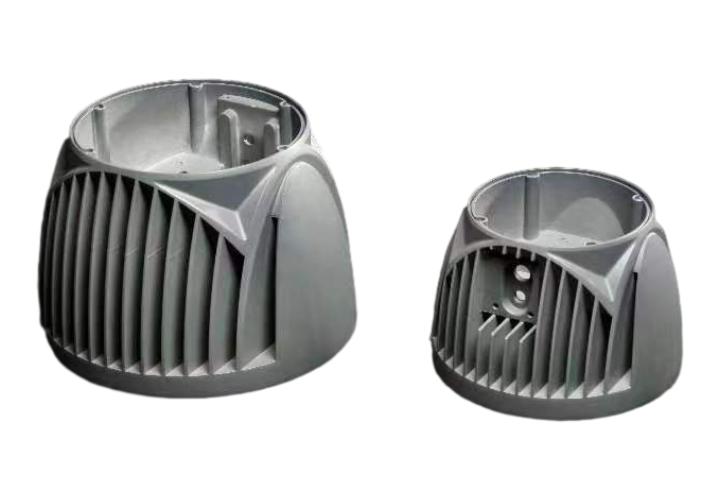
The corrosion resistance of zinc alloy for casting varies in different medium environments. In a neutral environment, such as some ordinary freshwater environments, the corrosion rate of zinc alloy is relatively slow. However, in an acidic or alkaline environment, the corrosion rate will accelerate. This is because the acid or alkali will destroy the oxide film on the surface of zinc and react chemically with zinc.
In order to improve the corrosion resistance of zinc alloy for casting, a variety of methods can be used. Alloying is a common means. By adding elements such as aluminum and magnesium, the corrosion resistance of zinc alloy can be further improved. Aluminum elements can form a more stable and denser protective film on the surface of zinc alloy, greatly improving the alloy's ability to resist corrosion.
In addition, surface treatment also has an important influence on the corrosion resistance of zinc alloy for casting. For example, electroplating, painting and other processes can form an additional protective layer on the surface of zinc alloy. Electroplating of metals such as chromium and nickel can enable zinc alloy to maintain good corrosion resistance even in harsh environments.
In practical applications, the corrosion resistance of zinc alloy for casting makes it play an irreplaceable role in architectural decoration, automotive parts, hardware products and other fields. With the continuous development of science and technology, the research on the corrosion resistance of zinc alloy for casting will continue to deepen, thereby further expanding its application range.
Zinc alloy for casting
06
2026-10
Innovative Uses of Zinc Alloy in Sustainable Energy Solutions
03
2026-10
The Versatility and Advantages of Aluminum Alloys in Modern Applications
30
2026-09
The Art of Crafting Durable Aluminum Casts for Industrial Applications
27
2026-09
The Essential Guide to Die Casting: Techniques, Applications, and Benefits
24
2026-09
How to Stay Ahead in Mold Forging: Insights for Manufacturers
21
2026-09
The Essential Guide to Forging Molds: Understanding Their Importance in Manufacturing
18
2026-09
Zinc Die Casting Parts: A Premier Cost-Effective Solution for Customized Manufacturing
GM Diecasting Technology Co.,Limited.
Add:Building 1-5, Chongke Road, Shipai Town, Dongguan City, Guangdong Province
Email:henry@gmdiecastingtech.com
Email:lily@gmdiecastingtech.com
Tel:+8613680864695