



21
2024
-
10
Exploring the Advantages of quality Zinc Die Casting Parts in Precision Manufacturing
Author:
Quality Zinc die casting parts have become increasingly popular in various industries due to their exceptional properties and manufacturing advantages. As a process that involves forcing molten zinc into a mold, zinc die casting allows for the creation of complex and intricate shapes with remarkable precision. This technique has established itself as a go-to solution for many manufacturers, particularly in the mechanical and hardware processing sectors.
One of the primary benefits of zinc die casting parts is their strength and durability. Zinc is known for its excellent corrosion resistance, making parts produced through this method ideal for environments that may expose them to moisture and chemicals. This durability translates into longer product lifespans, reducing the need for frequent replacements and repairs, which can ultimately save businesses time and money.
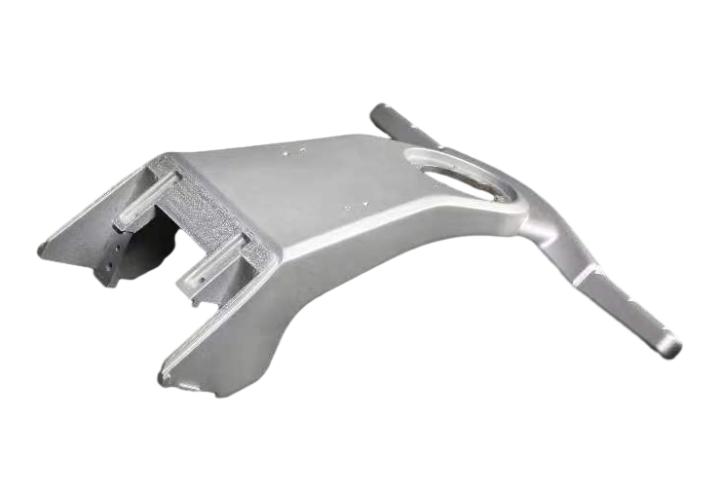
Another significant advantage is the dimensional accuracy that zinc die casting offers. The process allows for tight tolerances, ensuring that parts fit together seamlessly. This precision is essential in mechanical assemblies where even minor discrepancies can lead to inefficiencies or malfunctions. Moreover, the smooth surface finish achieved through zinc die casting often reduces the need for additional machining, streamlining the overall production process.
In addition to strength and precision, zinc die casting parts are lightweight. Zinc is less dense than many other metals, resulting in components that are easier to handle and transport. This lightweight characteristic can be particularly beneficial in automotive and aerospace applications, where reducing weight without compromising structural integrity is a key consideration.
Zinc die casting also supports high-volume production runs, making it suitable for manufacturers that require large quantities of parts. The speed of the die casting process, coupled with the ability to reuse molds, leads to cost-effective production. This efficiency means manufacturers can respond more swiftly to market demands, providing a competitive edge.
Furthermore, zinc die casting parts can be easily finished through various techniques such as plating, powder coating, or painting. This versatility allows manufacturers to achieve the desired aesthetic or functional properties, enhancing the product's appeal while maintaining its performance.
In conclusion, the use of zinc die casting parts in mechanical processing offers numerous advantages, including strength, dimensional accuracy, lightweight characteristics, and cost-effective production. By considering these factors, businesses can make informed decisions that enhance their manufacturing capabilities and product offerings. Embracing zinc die casting can lead to improved efficiency and product quality, solidifying a company's position in a competitive market.
Quality Zinc die casting parts
06
2026-10
Innovative Uses of Zinc Alloy in Sustainable Energy Solutions
03
2026-10
The Versatility and Advantages of Aluminum Alloys in Modern Applications
30
2026-09
The Art of Crafting Durable Aluminum Casts for Industrial Applications
27
2026-09
The Essential Guide to Die Casting: Techniques, Applications, and Benefits
24
2026-09
How to Stay Ahead in Mold Forging: Insights for Manufacturers
21
2026-09
The Essential Guide to Forging Molds: Understanding Their Importance in Manufacturing
18
2026-09
Zinc Die Casting Parts: A Premier Cost-Effective Solution for Customized Manufacturing
GM Diecasting Technology Co.,Limited.
Add:Building 1-5, Chongke Road, Shipai Town, Dongguan City, Guangdong Province
Email:henry@gmdiecastingtech.com
Email:lily@gmdiecastingtech.com
Tel:+8613680864695