



07
2024
-
09
How to Choose the Right Forging Mold china for Your Production Needs
Author:
How to Choose the Right Forging Mold for Your Production Needs
Manufacturing industries highly rely on **forging molds** to produce various components with precision and efficiency. Selecting the right mold is crucial for optimizing production, reducing costs, and ensuring high-quality outputs. In this article, we will explore the essential factors to consider when choosing the perfect forging mold for your specific production needs.
Table of Contents
1. Understanding Forging Molds
2. The Importance of Forging Molds in Manufacturing
3. Types of Forging Molds
- 3.1 Closed Die Forging
- 3.2 Open Die Forging
- 3.3 Precision Forging
4. Factors to Consider When Choosing a Forging Mold
- 4.1 Material Considerations
- 4.2 Design Considerations
- 4.3 Production Volume Requirements
- 4.4 Cost-Effectiveness and Budget
- 4.5 Lead Time and Availability
5. Best Practices for Selecting Forging Molds
6. Common Mistakes to Avoid
7. Frequently Asked Questions (FAQs)
8. Conclusion
Understanding Forging Molds
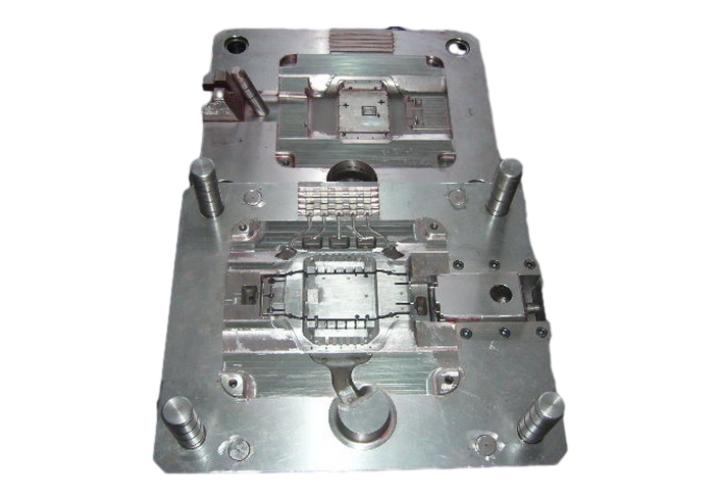
Forging molds china are essential tools in the manufacturing process, allowing for the precise shaping of metals through the application of compressive forces. They serve as templates that dictate the final shape of the forged component. Understanding the different types of forging molds and their specific applications is vital in making an informed choice that aligns with production goals.
The Importance of Forging Molds in Manufacturing
The significance of forging molds cannot be overstated. They directly impact the **quality, accuracy, and efficiency** of the manufacturing process. By choosing the appropriate mold, manufacturers can achieve better material utilization, lower production costs, and enhance the mechanical properties of the finished products. Furthermore, the right mold contributes to shorter cycle times and overall operational efficiency.
Types of Forging Molds
When selecting a forging mold, understanding the various types available is crucial. Each type has distinct characteristics that make it suitable for specific applications.
Closed Die Forging
Closed die forging involves shaping metal within a cavity created by two or more dies. This method allows for high precision and is often used for mass production of complex shapes. The closed die process minimizes material waste and enhances the mechanical properties of the forged parts.
Open Die Forging
Open die forging, also known as free forging, involves shaping metal without the constraints of a closed die. This method is typically used for larger components and is more flexible in terms of design. While it may not offer the same level of precision as closed die forging, it is often more cost-effective for low-volume production.
Precision Forging
Precision forging combines elements of both closed and open die forging to achieve high levels of accuracy. This method is particularly beneficial for producing components with tight tolerances and complex geometries. Precision forging is widely used in industries where exact specifications are critical, such as aerospace and automotive manufacturing.
Factors to Consider When Choosing a Forging Mold
Selecting the right forging mold requires careful consideration of several key factors. Understanding these factors can significantly enhance the efficiency and quality of your production process.
Material Considerations
The material of the forging mold is paramount in determining its performance and longevity. Common materials used for molds include **tool steel, alloy steel, and aluminum**. Each material has unique properties, such as heat resistance, wear resistance, and machinability, that can influence the quality of the forged component. It is essential to choose a material that can withstand the specific conditions of your manufacturing process.
Design Considerations
The design of the forging mold plays a crucial role in achieving the desired shape and specifications of the forged part. Factors such as the complexity of the design, draft angles, and fillet radii must be carefully evaluated. A well-designed mold will facilitate smooth material flow and minimize defects during the forging process.
Production Volume Requirements
Your production volume requirements will significantly influence your mold choice. For high-volume production, investing in closed die molds may be more beneficial due to their efficiency and precision. On the other hand, if your production needs are lower, open die molds may provide the flexibility required without the significant upfront costs.
Cost-Effectiveness and Budget
Budget constraints are a common consideration in any manufacturing operation. It is essential to balance the cost of the forging mold with the expected return on investment. While cheaper molds may seem appealing, it is crucial to consider their impact on production quality and efficiency. A more expensive mold that offers better longevity and performance may ultimately be more cost-effective in the long run.
Lead Time and Availability
The lead time for obtaining forging molds can vary significantly based on design complexity and manufacturer capabilities. It is essential to consider how quickly you need the mold and the availability of suppliers. Longer lead times may impact production schedules, so planning ahead and communicating with suppliers is critical.
Best Practices for Selecting Forging Molds
To ensure you make the best decision regarding forging molds, consider the following best practices:
1. **Conduct Thorough Research:** Investigate different types of molds, materials, and suppliers.
2. **Consult with Experts:** Engage with experienced professionals who can provide insights tailored to your production needs.
3. **Evaluate Sample Products:** Whenever possible, evaluate sample parts forged using different molds to understand their performance.
4. **Prioritize Quality:** Never compromise on quality for cost. High-quality molds lead to high-quality products.
Common Mistakes to Avoid
Certain pitfalls can hinder the successful selection of forging molds. Here are some common mistakes to avoid:
- **Overlooking Material Properties:** Failing to consider the material properties of the mold can lead to premature wear and poor performance.
- **Ignoring Production Needs:** Not aligning the mold with production volume and design requirements can result in inefficiencies.
- **Choosing Based Solely on Price:** Opting for the cheapest option may lead to lower quality and increased long-term costs.
Frequently Asked Questions (FAQs)
1. What is the difference between open die and closed die forging?
Open die forging allows for greater material flexibility and is best for larger, simpler shapes, while closed die forging provides higher precision and is ideal for complex parts.
2. How do I determine the right material for a forging mold?
The right material depends on factors such as the type of metal being forged, the temperatures involved, and the desired lifespan of the mold.
3. What are the advantages of precision forging?
Precision forging offers higher accuracy, reduced material waste, and improved mechanical properties, making it suitable for high-performance applications.
4. Can I use the same forging mold for different metal types?
While some molds may be versatile, it is generally recommended to use molds specifically designed for the type of metal you are working with to ensure optimal results.
5. How can I extend the lifespan of my forging mold?
Regular maintenance, proper handling, and using the right materials for forging can help extend the lifespan of your molds significantly.
Conclusion
Choosing the right forging mold is a pivotal decision that can significantly affect your production processes and final product quality. By understanding the different types of molds, considering crucial factors like material, design, production volume, and cost, and following best practices, you can optimize your manufacturing capabilities. Avoiding common mistakes will further enhance your decision-making process. Embrace these guidelines to ensure a successful forging operation, paving the way for efficient, high-quality production outcomes.
Forging molds china
06
2026-10
Innovative Uses of Zinc Alloy in Sustainable Energy Solutions
03
2026-10
The Versatility and Advantages of Aluminum Alloys in Modern Applications
30
2026-09
The Art of Crafting Durable Aluminum Casts for Industrial Applications
27
2026-09
The Essential Guide to Die Casting: Techniques, Applications, and Benefits
24
2026-09
How to Stay Ahead in Mold Forging: Insights for Manufacturers
21
2026-09
The Essential Guide to Forging Molds: Understanding Their Importance in Manufacturing
18
2026-09
Zinc Die Casting Parts: A Premier Cost-Effective Solution for Customized Manufacturing
GM Diecasting Technology Co.,Limited.
Add:Building 1-5, Chongke Road, Shipai Town, Dongguan City, Guangdong Province
Email:henry@gmdiecastingtech.com
Email:lily@gmdiecastingtech.com
Tel:+8613680864695