



02
2024
-
11
The Advantages and Applications of Aluminum Alloy Molds in Manufacturing
Author:
One of the primary advantages of aluminum alloy molds is their excellent thermal conductivity. This characteristic allows for efficient heat dissipation during the injection molding process, leading to shorter cycle times and improved production efficiency. The ability to quickly transfer heat means that the molded products can cool more evenly and rapidly, improving the overall quality of the finished parts. This is particularly beneficial in high-volume production environments where speed and consistency are key.
Furthermore, aluminum alloy molds are known for their lightweight nature. This attribute not only reduces the overall weight of the mold itself, making it easier to handle and install, but it also contributes to reduced wear on the machinery that operates the molds. The reduced strain on equipment translates into lower maintenance costs and less downtime, which is crucial for maintaining productivity in any manufacturing setting.
In addition to their functional benefits, aluminum alloy molds are also highly versatile. They can be used for a wide range of applications, including plastic injection molding, die-casting, and even in the automotive and aerospace industries. Their adaptability allows manufacturers to experiment with different designs and materials without the need for costly retooling, thereby fostering innovation and creativity in product development.
Another significant advantage of aluminum alloy molds is their relatively lower cost compared to traditional steel molds. Although the initial investment in aluminum molds may be higher than some plastics, the overall cost-effectiveness is realized through their durability and longevity. With proper care and maintenance, aluminum molds can withstand numerous production cycles without significant wear and tear, providing an excellent return on investment.
Moreover, aluminum alloy molds are easier to machine and fabricate than their steel counterparts. This ease of machining means that manufacturers can produce complex designs and intricate details with greater precision and less lead time. The flexibility in mold design not only enhances product quality but also allows for quicker adjustments and modifications, enabling manufacturers to respond swiftly to market demands.
In conclusion, aluminum alloy molds present a compelling option for manufacturers looking to optimize their operations. Their lightweight design, superior thermal conductivity, versatility, and cost advantages make them an excellent choice for various applications within the manufacturing and machining industries. As businesses continue to seek innovative solutions to improve efficiency and product quality, aluminum alloy molds are poised to play a significant role in shaping the future of manufacturing.
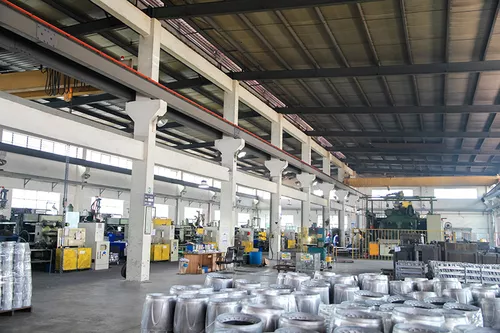
Aluminum alloy mold
06
2026-10
Innovative Uses of Zinc Alloy in Sustainable Energy Solutions
03
2026-10
The Versatility and Advantages of Aluminum Alloys in Modern Applications
30
2026-09
The Art of Crafting Durable Aluminum Casts for Industrial Applications
27
2026-09
The Essential Guide to Die Casting: Techniques, Applications, and Benefits
24
2026-09
How to Stay Ahead in Mold Forging: Insights for Manufacturers
21
2026-09
The Essential Guide to Forging Molds: Understanding Their Importance in Manufacturing
18
2026-09
Zinc Die Casting Parts: A Premier Cost-Effective Solution for Customized Manufacturing
GM Diecasting Technology Co.,Limited.
Add:Building 1-5, Chongke Road, Shipai Town, Dongguan City, Guangdong Province
Email:henry@gmdiecastingtech.com
Email:lily@gmdiecastingtech.com
Tel:+8613680864695