
28

2024

-

11

The Advantages and Applications of Zinc Alloy Molds in Manufacturing

Author:


Zinc alloy molds have become increasingly popular in the manufacturing sector, particularly in the die-casting and mold-making industries. These molds are primarily composed of zinc and other alloying elements, which provide distinct advantages over traditional materials. In this article, we will explore the key benefits and applications of zinc alloy molds, helping professionals in the field understand their value.
One of the most significant advantages of zinc alloy molds is their excellent thermal conductivity. This property allows for rapid heat dissipation, ensuring that the molten metal cools evenly and quickly, which results in shorter cycle times during the manufacturing process. As a result, manufacturers can increase productivity without compromising product quality. Additionally, the superior thermal properties help in reducing the risk of defects such as warping or cracking during the cooling phase.
Another critical benefit of zinc alloy molds is their impressive durability and wear resistance. Zinc alloys are known for their strength and toughness, which means that molds made from these materials can withstand the rigors of high-volume production. This durability translates to a longer lifespan for the molds, reducing the frequency of replacements and maintenance, ultimately providing cost savings for manufacturers.
Zinc alloy molds also allow for intricate design possibilities. The malleability of zinc alloys enables manufacturers to create complex geometries that may be challenging to achieve with traditional steel molds. This versatility is particularly beneficial in industries that require detailed and precise components, such as automotive, electronics, and consumer goods. By utilizing zinc alloy molds, manufacturers can produce lightweight and intricate parts that meet the demands of modern design specifications.
Furthermore, the machining and finishing of zinc alloy molds are relatively straightforward. Their ease of fabrication means that manufacturers can achieve tight tolerances and high-quality surface finishes without extensive secondary operations. This characteristic not only streamlines the production process but also enhances the overall aesthetic appeal of the finished products.
In conclusion, zinc alloy molds offer numerous advantages that can significantly improve manufacturing efficiency and product quality. Their excellent thermal conductivity, durability, intricate design capabilities, and ease of machining make them a valuable choice for professionals in the manufacturing and mold-making industries. By understanding the benefits and applications of zinc alloy molds, manufacturers can make informed decisions that enhance their production processes and meet the evolving demands of their markets.

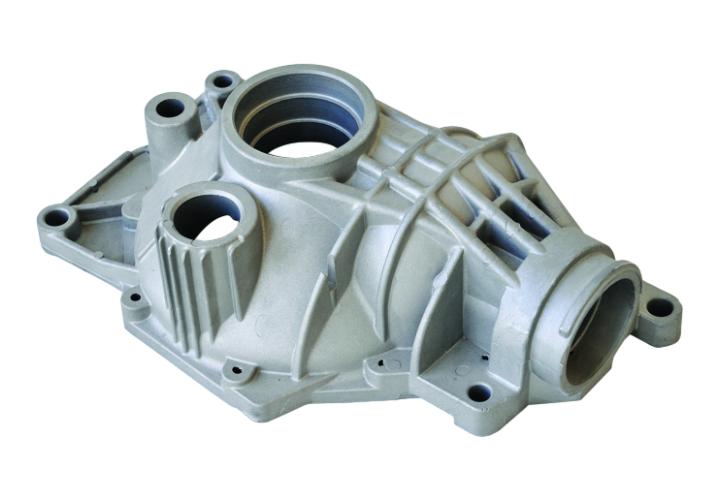
Zinc alloy mold
21

2026-10

Understanding Zinc Die Casting: A Comprehensive Guide for Manufacturing Professionals

Zinc die casting is a metal casting process that involves forcing molten zinc alloy into a mold cavity under high pressure. This technique is particularly valued in manufacturing due to its ability to create intricate and precise geometries, making it ideal for various applications across multiple industries. One of the primary advantages of zinc die casting is its ability to produce parts with ex

18

2026-10

Empowering Manufacturers: The Benefits of Die Casting Machines

Empowering Manufacturers: The Benefits of Die Casting Machines Manufacturing has come a long way, and in this journey, die casting machines have emerged as a cornerstone for efficiency, precision, and adaptability. The die casting process is widely used in various industries, providing solutions that significantly enhance production capabilities. This extensive article delves into the myriad benef

15

2026-10

Understanding Aluminum Die Casting: A Key Process in Metal Manufacturing

Aluminum die casting is a highly efficient manufacturing process used to produce complex and precise metal parts. This technique involves forcing molten aluminum into a mold under high pressure. The result is a product that exhibits excellent dimensional accuracy, surface finish, and mechanical properties. As such, aluminum die casting stands out as a preferred method for producing components in v

12

2026-10

Aluminum Alloy Mold Maintenance: Best Practices and Tips for Longevity

Aluminum Alloy Mold Maintenance: Best Practices and Tips for Longevity Table of Contents Understanding Aluminum Alloy Molds The Importance of Mold Maintenance Best Practices for Aluminum Alloy Mold Maintenance Cleaning Procedures Lubrication Techniques Inspecting for Damage Effective Storage Tips for Aluminum Alloy Molds Tr

09

2026-10

Understanding Zinc Alloy Molds: A Key Component in Precision Manufacturing

Zinc alloy molds are increasingly significant in the realm of precision manufacturing, particularly within the mechanical hardware processing and mold fabrication sectors. These molds are crafted from zinc alloys, which are known for their excellent properties such as durability, resistance to corrosion, and good thermal conductivity. The combination of these characteristics makes zinc alloy molds

06

2026-10

Innovative Uses of Zinc Alloy in Sustainable Energy Solutions

Innovative Uses of Zinc Alloy in Sustainable Energy Solutions Introduction to Zinc Alloy and Its Importance Zinc alloy, a blend of zinc with other metals such as aluminum, copper, and magnesium, has garnered significant attention in various industries due to its superior properties. Its lightweight nature, corrosion resistance, and excellent mechanical strength make it an ideal choice for applicat

03

2026-10

The Versatility and Advantages of Aluminum Alloys in Modern Applications

Aluminum alloys are a pivotal component in the metallurgy and energy sectors. Due to their combination of lightweight properties, strength, and corrosion resistance, these alloys have become a favored material in numerous applications. Understanding aluminum alloys is essential for industries looking to optimize their manufacturing processes and product performance. Aluminum alloys are categorized

30

2026-09

The Art of Crafting Durable Aluminum Casts for Industrial Applications

The Art of Crafting Durable Aluminum Casts for Industrial Applications Aluminum casting has emerged as a crucial technique in the manufacturing sector, particularly for creating components that require both strength and lightweight properties. Understanding the nuances of this process is vital for industries ranging from automotive to aerospace. This article explores the multifaceted art of alumin