



31
2024
-
10
Understanding quality Mold Forging: Techniques Benefits and Applications
Author:
Mold forging, as a manufacturing process, involves shaping materials, typically metals, through the application of pressure within a mold. This technique is pivotal in creating components with intricate geometries and high strength, making it a preferred choice in sectors like automotive, aerospace, and heavy machinery. The process can be broken down into several key stages, including mold design, material selection, and forging execution.
One of the primary advantages of mold forging lies in its ability to produce complex shapes with tight tolerances. The use of molds allows manufacturers to achieve precise dimensions and surface finishes, reducing the need for extensive post-processing. This not only streamlines production but also enhances the overall quality of the final product. Additionally, the technique is suited for high-volume production, making it economically viable for large-scale manufacturing operations.
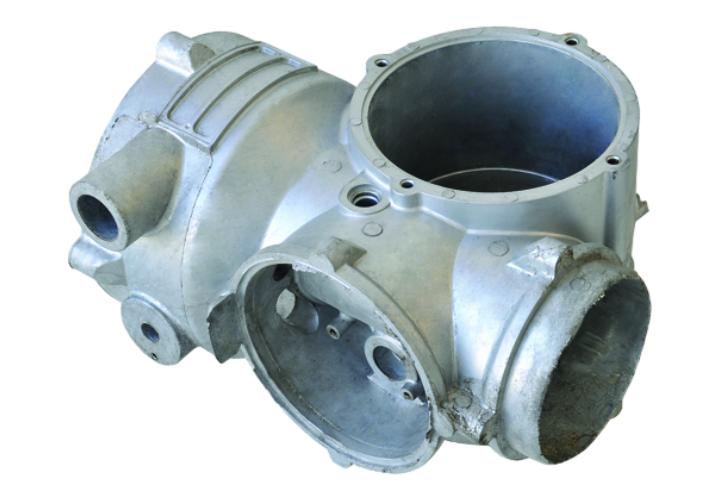
Another significant aspect of mold forging is its versatility. It can be applied to a wide range of materials, including steel, aluminum, and titanium, allowing for the production of components that can withstand extreme conditions. This adaptability makes mold forging an excellent choice for industries that require durable and reliable parts, such as in the production of engine components, structural elements, and various machinery parts.
Moreover, mold forging contributes to material efficiency. By utilizing the mold to shape the metal, manufacturers can minimize waste and optimize the use of raw materials. This aspect is increasingly important in today’s manufacturing landscape, where sustainability and cost-effectiveness are paramount.
To implement mold forging effectively, manufacturers need to invest in high-quality mold design and fabrication. The design phase is critical, as the mold must be engineered to accommodate the specific requirements of the component being produced. Factors such as material flow, cooling rates, and mold wear must all be considered to ensure optimal results.
In summary, mold forging represents a powerful technique in the manufacturing industry, merging the benefits of forging with the precision of mold creation. Its ability to produce complex, high-strength components efficiently makes it a cornerstone of modern manufacturing processes. As industries continue to evolve, the role of mold forging will likely expand, driven by advancements in technology and increasing demands for high-quality, cost-effective solutions. Understanding the nuances of this process can empower manufacturers to leverage its advantages and enhance their production capabilities.
mold forging
06
2026-10
Innovative Uses of Zinc Alloy in Sustainable Energy Solutions
03
2026-10
The Versatility and Advantages of Aluminum Alloys in Modern Applications
30
2026-09
The Art of Crafting Durable Aluminum Casts for Industrial Applications
27
2026-09
The Essential Guide to Die Casting: Techniques, Applications, and Benefits
24
2026-09
How to Stay Ahead in Mold Forging: Insights for Manufacturers
21
2026-09
The Essential Guide to Forging Molds: Understanding Their Importance in Manufacturing
18
2026-09
Zinc Die Casting Parts: A Premier Cost-Effective Solution for Customized Manufacturing
GM Diecasting Technology Co.,Limited.
Add:Building 1-5, Chongke Road, Shipai Town, Dongguan City, Guangdong Province
Email:henry@gmdiecastingtech.com
Email:lily@gmdiecastingtech.com
Tel:+8613680864695