



17
2024
-
08
Unlocking Quality: The Importance of Superior Prototype Aluminum Casting in Manufacturing
Author:
Unlocking Quality: The Importance of Superior Prototype Aluminum Casting in Manufacturing
Table of Contents
- 1. Introduction to Prototype Aluminum Casting
- 2. Understanding the Aluminum Casting Process
- 3. Benefits of Using Prototype Aluminum Casting
- 4. Applications of Aluminum Casting in Various Industries
- 5. Key Factors Influencing the Quality of Aluminum Casting
- 6. Best Practices for Achieving High-Quality Aluminum Castings
- 7. Common Challenges in Aluminum Casting and Their Solutions
- 8. Future Trends in Prototype Aluminum Casting
- 9. Conclusion
- 10. Frequently Asked Questions
1. Introduction to Prototype Aluminum Casting
The world of manufacturing continually seeks innovation and efficiency, and **prototype aluminum casting** stands at the forefront of this evolution. As industries transition to lightweight and durable materials, aluminum casting emerges as a preferred method for producing prototypes. Understanding the intricacies of this process is key to unlocking its full potential.
2. Understanding the Aluminum Casting Process
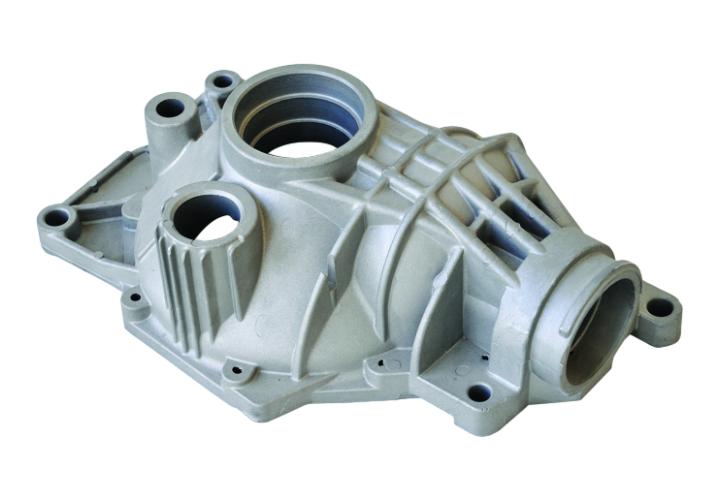
Aluminum casting involves pouring molten aluminum into a mold to form a desired shape. This process can be categorized into various methods, including:
2.1 Sand Casting
Sand casting uses a sand-based mold, which is cost-effective and versatile for producing complex shapes.
2.2 Die Casting
In die casting, molten aluminum is injected into a mold under high pressure, allowing for intricate designs and high volumes.
2.3 Investment Casting
Investment casting, or lost-wax casting, involves creating a wax model that is encased in ceramic, providing high precision and surface finish.
Each method has its unique advantages, catering to different project needs and budget constraints.
3. Benefits of Using Prototype Aluminum Casting
The advantages of utilizing **prototype aluminum casting** in manufacturing processes are substantial:
3.1 Lightweight and Durable
Aluminum is renowned for its lightweight properties, making it ideal for applications where weight is a crucial factor without sacrificing strength.
3.2 Cost-Effective Prototyping
Using aluminum casting for prototypes saves time and reduces material costs, allowing manufacturers to assess designs before full-scale production.
3.3 Complex Geometries
Aluminum casting enables the production of intricate shapes and details that would be challenging to achieve with other methods.
3.4 High Thermal and Electrical Conductivity
Aluminum’s excellent thermal and electrical conductivity makes it a preferred choice for components in various electronic applications.
4. Applications of Aluminum Casting in Various Industries
Prototype aluminum casting finds use across numerous industries:
4.1 Automotive Industry
In the automotive sector, aluminum castings are used for engine blocks, transmission cases, and other critical components that benefit from light weight and strength.
4.2 Aerospace Industry
The aerospace industry relies on aluminum castings for aircraft components, where weight reductions can lead to significant fuel savings.
4.3 Consumer Electronics
Consumer electronics manufacturers utilize aluminum casings for laptops, smartphones, and other devices, enhancing aesthetic appeal and durability.
4.4 Medical Equipment
Prototype aluminum casting is essential in the medical field for producing lightweight, non-corrosive devices that meet strict regulatory requirements.
5. Key Factors Influencing the Quality of Aluminum Casting
Achieving high-quality aluminum castings requires careful consideration of several factors:
5.1 Material Selection
Choosing the right aluminum alloy is crucial, as different alloys possess unique properties that influence the casting's performance.
5.2 Mold Design
The design and construction of the mold significantly affect the final product. A well-designed mold ensures uniform cooling and a consistent finish.
5.3 Pouring Techniques
The method of pouring molten aluminum into the mold can impact the casting's quality. Precise control of temperature and speed is essential.
5.4 Quality Control Measures
Implementing rigorous quality control measures throughout the casting process helps identify and rectify defects early, ensuring final product integrity.
6. Best Practices for Achieving High-Quality Aluminum Castings
To maximize the benefits of prototype aluminum casting, manufacturers should adopt several best practices:
6.1 Invest in Advanced Technology
Utilizing the latest casting technologies and simulation software can enhance design accuracy and improve production efficiency.
6.2 Regular Training and Development
Investing in workforce training ensures operators are skilled in best practices and stay updated on industry advancements.
6.3 Optimize Process Parameters
Continuously monitor and adjust process parameters for pouring, cooling, and finishing to achieve consistent quality across batches.
6.4 Collaborate with Experts
Engaging with experienced professionals and consultants can provide insights into refining casting practices and overcoming challenges.
7. Common Challenges in Aluminum Casting and Their Solutions
Despite its advantages, aluminum casting does present challenges:
7.1 Porosity Issues
Porosity can occur due to gas entrapment during the pouring process. Solutions include optimizing pouring techniques and ensuring proper venting in molds.
7.2 Dimensional Inaccuracy
Variability in mold temperature can lead to dimensional inaccuracies. Regular calibration and monitoring of equipment can help mitigate this risk.
7.3 Surface Defects
Surface defects, such as roughness or inclusions, can affect the aesthetics and functionality of the final product. Implementing stricter quality control measures can reduce these occurrences.
8. Future Trends in Prototype Aluminum Casting
The future of prototype aluminum casting is promising, with several trends shaping its evolution:
8.1 Automation and Smart Manufacturing
Incorporating automation and AI technologies can enhance precision, reduce labor costs, and streamline production processes.
8.2 Sustainable Practices
As industries move towards sustainability, the adoption of eco-friendly materials and energy-efficient processes in aluminum casting will become increasingly important.
8.3 3D Printing in Casting
The integration of 3D printing technology into the casting process allows for rapid prototyping and the production of complex designs that were previously unachievable.
9. Conclusion
**Prototype aluminum casting** plays a critical role in advanced manufacturing, offering a combination of lightweight properties, durability, and cost-effectiveness. By understanding the casting process, its benefits, and the factors that influence quality, manufacturers can unlock new possibilities for their projects. Embracing best practices and staying abreast of industry trends will ensure that companies remain competitive and innovative in a rapidly evolving marketplace.
10. Frequently Asked Questions
1. What is prototype aluminum casting?
Prototype aluminum casting is a manufacturing process that involves creating aluminum parts by pouring molten aluminum into molds to produce prototypes for various applications.
2. What are the benefits of using aluminum for prototypes?
Aluminum offers several advantages, including lightweight yet durable properties, cost-effectiveness in prototyping, and the ability to create complex geometries.
3. How do I choose the right alloy for my casting project?
Choosing the right aluminum alloy depends on the desired properties of the final product, such as strength, corrosion resistance, and thermal conductivity. Consulting with a materials expert can provide valuable guidance.
4. What common defects should I look out for in aluminum castings?
Common defects include porosity, dimensional inaccuracies, and surface roughness. Implementing strict quality control measures can help identify and address these issues early in the process.
5. How can I improve the quality of my aluminum castings?
Improving quality involves investing in advanced technology, optimizing process parameters, conducting regular training, and collaborating with industry experts to refine practices and techniques.
best prototype aluminum casting
18
2026-10
Empowering Manufacturers: The Benefits of Die Casting Machines
15
2026-10
Understanding Aluminum Die Casting: A Key Process in Metal Manufacturing
12
2026-10
Aluminum Alloy Mold Maintenance: Best Practices and Tips for Longevity
09
2026-10
Understanding Zinc Alloy Molds: A Key Component in Precision Manufacturing
06
2026-10
Innovative Uses of Zinc Alloy in Sustainable Energy Solutions
03
2026-10
The Versatility and Advantages of Aluminum Alloys in Modern Applications
30
2026-09
The Art of Crafting Durable Aluminum Casts for Industrial Applications
GM Diecasting Technology Co.,Limited.
Add:Building 1-5, Chongke Road, Shipai Town, Dongguan City, Guangdong Province
Email:henry@gmdiecastingtech.com
Email:lily@gmdiecastingtech.com
Tel:+8613680864695