



24
2024
-
09
Unlocking the Advantages of Zinc Alloy Molds in Manufacturing
Author:
One of the most notable benefits of using zinc alloy molds is their excellent casting properties. Zinc alloys offer a low melting point, which simplifies the molding process and reduces energy consumption during manufacturing. This characteristic makes them suitable for high-volume production runs, thereby increasing productivity while lowering operational costs.
In addition to their efficiency, zinc alloy molds are renowned for their durability. These molds can withstand significant wear and tear, making them ideal for producing complex parts with intricate designs. The ability to maintain dimensional stability under stress ensures that the final products are consistent and of high quality. This resilience contributes to a longer lifespan for the molds, reducing the frequency of replacements and maintenance.
Another advantage of zinc alloy molds is their versatility. They can be used in various applications, from automotive components to consumer electronics. This adaptability allows manufacturers to experiment with different designs and processes without worrying about mold limitations. Moreover, the lightweight nature of zinc alloys makes handling and installation easier, further streamlining the production process.
The surface finish of zinc alloy molds is another point of interest. They can achieve a high-quality surface finish that enhances the appearance and functionality of the final products. This is particularly important in industries where aesthetics play a crucial role, such as consumer goods and luxury items. A well-finished mold can significantly improve the overall quality of the parts produced.
Furthermore, zinc alloy molds have excellent thermal conductivity, which aids in the rapid cooling of the molded parts. This feature not only accelerates the production cycle but also reduces the risk of defects caused by uneven cooling. Faster cooling times lead to greater efficiency and the possibility of producing more parts in a shorter time frame.
In conclusion, the best zinc alloy molds provide a myriad of advantages for manufacturers in the machining industry. Their combination of durability, versatility, and efficiency makes them an optimal choice for various applications. By investing in high-quality zinc alloy molds, manufacturers can improve production rates, reduce operational costs, and achieve consistent, high-quality results. Understanding these benefits empowers companies to make informed decisions that enhance their manufacturing processes, ensuring they stay competitive in an ever-evolving market.
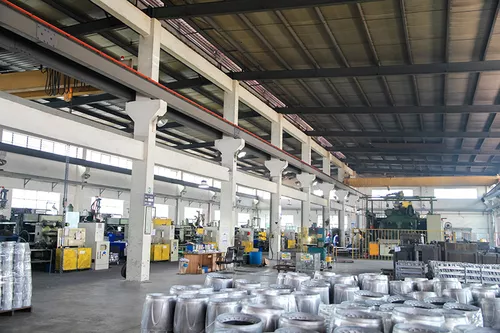
best Zinc alloy mold
06
2026-10
Innovative Uses of Zinc Alloy in Sustainable Energy Solutions
03
2026-10
The Versatility and Advantages of Aluminum Alloys in Modern Applications
30
2026-09
The Art of Crafting Durable Aluminum Casts for Industrial Applications
27
2026-09
The Essential Guide to Die Casting: Techniques, Applications, and Benefits
24
2026-09
How to Stay Ahead in Mold Forging: Insights for Manufacturers
21
2026-09
The Essential Guide to Forging Molds: Understanding Their Importance in Manufacturing
18
2026-09
Zinc Die Casting Parts: A Premier Cost-Effective Solution for Customized Manufacturing
GM Diecasting Technology Co.,Limited.
Add:Building 1-5, Chongke Road, Shipai Town, Dongguan City, Guangdong Province
Email:henry@gmdiecastingtech.com
Email:lily@gmdiecastingtech.com
Tel:+8613680864695