



01
2024
-
10
Why Prototype Aluminum Casting from china is Revolutionizing Manufacturing: A Deep Dive into Innovation
Author:
Why Prototype Aluminum Casting is Revolutionizing Manufacturing
Table of Contents
- Introduction to Prototype Aluminum Casting
- What is Aluminum Casting?
- Benefits of Prototype Aluminum Casting in Manufacturing
- Applications of Aluminum Casting in Various Industries
- The Prototype Aluminum Casting Process Explained
- Future Trends in Aluminum Casting Technology
- Challenges in Prototype Aluminum Casting and Their Solutions
- FAQs About Prototype Aluminum Casting
- Conclusion: The Future of Manufacturing with Prototype Aluminum Casting
Introduction to Prototype Aluminum Casting
Prototype aluminum casting represents a significant advancement in the manufacturing sector, providing innovative solutions that are reshaping production processes. As industries strive for increased efficiency and reduced lead times, prototype casting emerges as a game-changer. This article delves into the various dimensions of aluminum casting, offering a detailed examination of its benefits, applications, and technologies driving its adoption.
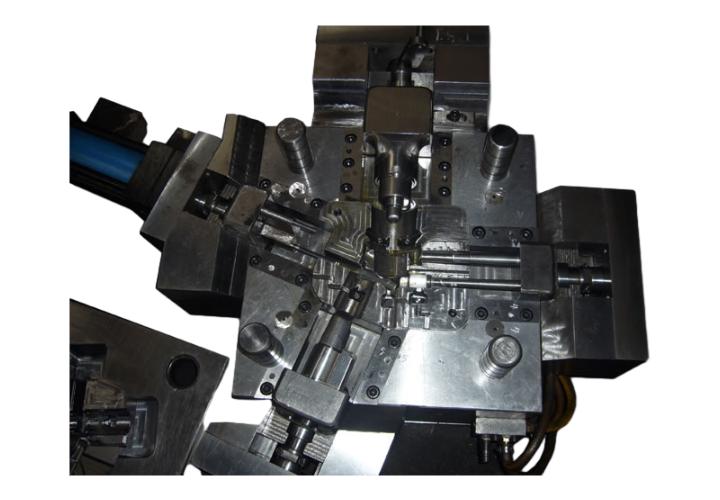
What is Aluminum Casting?
Aluminum casting is a manufacturing process that involves pouring molten aluminum into a mold to create a desired shape. This versatile technique is employed to produce complex components with high precision. The process is particularly popular due to aluminum's lightweight nature, corrosion resistance, and excellent thermal and electrical conductivity.
**Prototype aluminum casting** specifically refers to the initial phase of product development, where prototypes are created to test designs before full-scale production. This approach not only saves time but also reduces costs associated with traditional manufacturing methods.
Benefits of Prototype Aluminum Casting in Manufacturing
The benefits of prototype aluminum casting are numerous and impactful, driving its popularity in various industries:
1. Enhanced Design Flexibility
Prototype casting allows manufacturers to experiment with different designs and configurations. This flexibility facilitates the exploration of innovative concepts without the significant investment typically associated with production tooling.
2. Cost-Effectiveness
By using prototype aluminum casting, manufacturers can minimize costs related to materials, labor, and production time. Rapid prototyping eliminates the need for expensive mold creation, making it an attractive option for startups and established companies alike.
3. Faster Time-to-Market
In today’s competitive landscape, speed is crucial. Prototype aluminum casting accelerates the development cycle, enabling manufacturers to rapidly iterate designs and bring products to market more quickly than traditional methods.
4. Improved Material Properties
Aluminum’s intrinsic properties, such as lightweight and high strength, are preserved in casting processes. This results in components that are not only functional but also durable, enhancing overall product performance.
5. Reduced Waste
The prototype aluminum casting process promotes efficient material use, significantly reducing waste when compared to subtractive manufacturing methods. By utilizing only the necessary amounts of aluminum, companies can lower their environmental impact.
Applications of Aluminum Casting in Various Industries
Prototype aluminum casting finds applications across a wide range of industries, demonstrating its versatility and effectiveness:
1. Automotive Industry
In the automotive sector, prototype aluminum casting is employed to create lightweight components that improve fuel efficiency without compromising safety. From engine blocks to transmission housings, aluminum castings contribute to the overall performance of vehicles.
2. Aerospace Engineering
The aerospace industry benefits significantly from aluminum casting due to the material's low weight and high strength-to-weight ratio. Prototype castings are used to develop critical components, reducing overall aircraft weight and enhancing fuel efficiency.
3. Consumer Electronics
In the consumer electronics field, aluminum casting enables the production of sleek and lightweight casings for devices such as smartphones and laptops. The aesthetic appeal and durability of aluminum make it a preferred choice for manufacturers.
4. Industrial Equipment
Prototype aluminum casting is widely used in manufacturing industrial equipment, including machinery parts and tools. Its ability to produce complex shapes makes it suitable for various applications in this sector.
5. Medical Devices
The medical industry leverages aluminum casting to produce precise and reliable components for devices and equipment. The lightweight nature of aluminum is particularly advantageous in creating portable medical solutions.
The Prototype Aluminum Casting Process Explained
Understanding the prototype aluminum casting process is crucial for manufacturers seeking to implement this technology. Here’s a step-by-step overview:
1. Design Phase
The process begins with the design phase, where engineers use CAD software to create detailed models of the desired component. These models are essential for ensuring accuracy in the casting process.
2. Mold Creation
Once the design is finalized, molds are created. These molds can be made from various materials, including sand or metal, depending on the complexity and requirements of the part.
3. Melting Aluminum
Aluminum is then melted in a furnace, reaching temperatures of approximately 660°C (1220°F). This molten aluminum is prepared for pouring into the molds.
4. Pouring and Cooling
The molten aluminum is carefully poured into the molds. After allowing sufficient time for cooling, the aluminum solidifies into the desired shape.
5. Finishing Touches
Post-casting, the components undergo finishing processes such as machining, surface treatment, and inspection to ensure they meet quality standards.
Future Trends in Aluminum Casting Technology
As technology advances, the future of aluminum casting looks promising. Key trends include:
1. Integration of 3D Printing
The integration of 3D printing in aluminum casting is gaining traction, allowing for the creation of complex geometries that were previously impossible. This synergy will enable manufacturers to push the boundaries of design innovation.
2. Sustainability Initiatives
With a growing emphasis on sustainability, aluminum casting processes are evolving to include recycled materials. This shift not only reduces waste but also lowers the carbon footprint of production.
3. Automation and Robotics
Automation in aluminum casting is expected to enhance efficiency and precision while reducing labor costs. Robotics will play a vital role in the handling and processing of materials, streamlining operations.
4. Enhanced Simulation Technologies
Advancements in simulation technologies will enable manufacturers to predict and analyze the casting process more effectively, resulting in improved outcomes and reduced defects.
Challenges in Prototype Aluminum Casting and Their Solutions
While the benefits are substantial, there are challenges associated with prototype aluminum casting. Understanding these challenges and their solutions is essential for successful implementation:
1. Quality Control
Ensuring consistent quality can be a challenge in aluminum casting. Implementing rigorous quality control measures, including real-time monitoring and inspection, can help mitigate this issue.
2. Porosity and Defects
Porosity in castings can lead to compromised strength and durability. Utilizing advanced mold materials and optimized pouring techniques can significantly reduce defects.
3. Cost of Equipment
The initial investment in casting equipment can be high. However, the long-term cost savings and efficiency gains often justify the upfront expense.
4. Skilled Labor Shortage
Finding skilled labor for aluminum casting processes is becoming increasingly difficult. Investing in training and development programs can help cultivate a skilled workforce.
FAQs About Prototype Aluminum Casting
1. What are the advantages of using aluminum for prototypes?
Aluminum is lightweight, corrosion-resistant, and has excellent thermal properties, making it ideal for prototypes that require durability and performance.
2. How long does the prototype aluminum casting process take?
The duration varies based on complexity and volume, but generally, it can take from a few days to a couple of weeks.
3. Can aluminum casting be used for large components?
Yes, aluminum casting techniques can produce large components, although specific methods and mold designs may be required to accommodate size.
4. How does aluminum casting compare to other casting methods?
Aluminum casting offers unique benefits such as lower weight and improved thermal properties compared to other metals, making it a preferred choice in many applications.
5. Is prototype aluminum casting environmentally friendly?
Yes, it is often more environmentally friendly due to reduced waste and the ability to use recycled aluminum in the casting process.
Conclusion: The Future of Manufacturing with Prototype Aluminum Casting
In conclusion, prototype aluminum casting is revolutionizing the manufacturing landscape by providing innovative solutions that enhance efficiency, reduce costs, and foster creativity in design. As industries continue to evolve, the adoption of this technology will play a critical role in shaping the future of production processes. By leveraging the benefits of aluminum casting, manufacturers can stay competitive and meet the demands of a rapidly changing marketplace. The integration of advanced technologies and sustainable practices ensures that prototype aluminum casting will remain at the forefront of manufacturing innovation for years to come.
prototype aluminum casting china
18
2026-10
Empowering Manufacturers: The Benefits of Die Casting Machines
15
2026-10
Understanding Aluminum Die Casting: A Key Process in Metal Manufacturing
12
2026-10
Aluminum Alloy Mold Maintenance: Best Practices and Tips for Longevity
09
2026-10
Understanding Zinc Alloy Molds: A Key Component in Precision Manufacturing
06
2026-10
Innovative Uses of Zinc Alloy in Sustainable Energy Solutions
03
2026-10
The Versatility and Advantages of Aluminum Alloys in Modern Applications
30
2026-09
The Art of Crafting Durable Aluminum Casts for Industrial Applications
GM Diecasting Technology Co.,Limited.
Add:Building 1-5, Chongke Road, Shipai Town, Dongguan City, Guangdong Province
Email:henry@gmdiecastingtech.com
Email:lily@gmdiecastingtech.com
Tel:+8613680864695