



24
2026
-
03
The Art and Science of Die Casting: Balancing Tradition and Technology
Author:
The Art and Science of Die Casting: Balancing Tradition and Technology
Table of Contents
1. Introduction to Die Casting
2. A Brief History of Die Casting Techniques
3. How Die Casting Works: The Process Explained
- 3.1 Types of Die Casting: Hot Chamber vs. Cold Chamber
4. Applications of Die Casting in Various Industries
5. Benefits of Die Casting Over Other Manufacturing Methods
6. Challenges in the Die Casting Process
7. Technological Advancements in Die Casting
8. The Future of Die Casting: Trends and Innovations
9. Conclusion
10. FAQs About Die Casting
Introduction to Die Casting
Die casting is a highly efficient manufacturing process that involves forcing molten metal into a mold to form complex shapes. This method is widely recognized for its ability to produce high-precision parts with excellent surface finishes. The die casting industry has evolved over the years, integrating traditional craftsmanship with cutting-edge technology to meet modern manufacturing demands. This article delves into the intricate balance between tradition and technology in die casting, shedding light on its processes, applications, and future developments.
A Brief History of Die Casting Techniques
The origins of die casting can be traced back to the early 19th century, where it emerged as a method for manufacturing printing type and small metal parts. The process has undergone significant transformations over the decades. In the 1930s, die casting gained traction in the automotive and aerospace industries, driven by increasing demand for lightweight and durable components. Notably, businesses began to recognize die casting's potential for mass production, which led to innovations in mold design and metal alloys.
The Evolution of Die Casting Processes
Throughout the 20th century, innovations such as the introduction of aluminum die casting revolutionized the industry. With the development of hotter melting metals and improved mold materials, manufacturers could produce more intricate designs with higher structural integrity. Additionally, the emergence of computer-aided design (CAD) software has allowed for more precise mold creation, further enhancing the efficiency and quality of die-cast products.
How Die Casting Works: The Process Explained
Die casting is a systematic process that involves several key steps, each crucial to ensuring the quality of the final product. Understanding these steps helps demystify the art and science behind this manufacturing method.
1. Preparation of the Mold
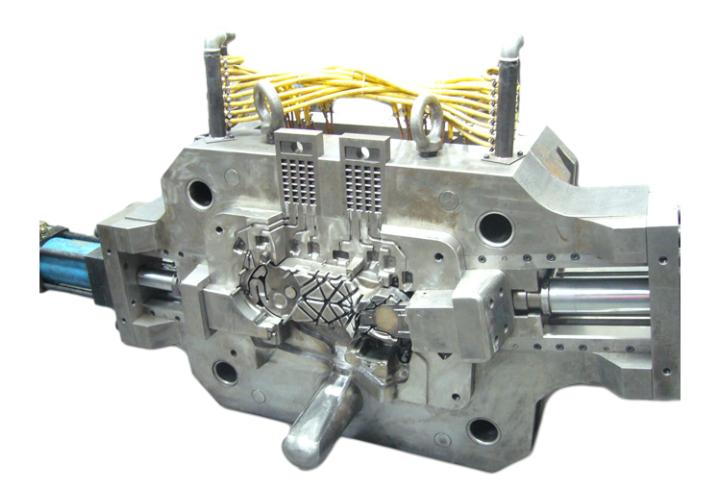
The process begins with the preparation of the die, which is typically made of hardened steel. Molds are designed to withstand high pressure and temperature. Proper design and maintenance of the die are essential for achieving the desired product specifications.
2. Melting the Metal
Next, the chosen metal alloy is melted in a furnace. The type of metal used—such as aluminum, zinc, or magnesium—depends on the application and the required properties of the final product.
3. Injection of Molten Metal
Once the metal reaches the desired temperature, it is injected into the mold under high pressure. This rapid injection ensures that the molten metal fills even the most intricate details of the mold.
4. Cooling and Solidification
After the metal has been injected, it cools and solidifies within the mold. This phase is critical, as it determines the dimensional accuracy and surface finish of the final component.
5. Ejection of the Cast Part
Once solidified, the die is opened, and the finished part is ejected. This step may require additional finishing processes, such as trimming or polishing, to achieve the final specifications.
Types of Die Casting: Hot Chamber vs. Cold Chamber
Die casting can be categorized into two primary types: **hot chamber die casting** and **cold chamber die casting**. Each has unique advantages and applications.
Hot Chamber Die Casting
In hot chamber die casting, the melting furnace is integrated with the injection system. This method is suitable for low-melting-point metals, such as zinc. The hot chamber allows for quick cycling times, making it efficient for high-volume production.
Cold Chamber Die Casting
Cold chamber die casting is used for materials with higher melting points, like aluminum and magnesium. In this method, the molten metal is poured into the chamber before being injected into the mold. Although this process is slower than hot chamber methods, it is essential for producing parts that require specific material properties.
Applications of Die Casting in Various Industries
Die casting is employed across a wide range of industries due to its versatility and efficiency. Here are some of the most common applications:
1. Automotive Industry
The automotive sector is a major consumer of die-cast components. Parts such as engine blocks, transmission cases, and structural components benefit from the lightweight and durable nature of die-cast metals.
2. Aerospace Industry
In aerospace, the need for precise, lightweight components is critical. Die casting provides a reliable solution for producing intricate parts that meet stringent safety and performance standards.
3. Electronics
Die casting is used in the electronics industry for manufacturing housings, heat sinks, and enclosures. The process allows for the creation of complex shapes that accommodate various electronic components.
4. Consumer Goods
Many everyday products, including cookware, tools, and decorative items, are made using die casting. The method enables manufacturers to create aesthetically pleasing and functional designs.
5. Industrial Equipment
Heavy machinery and industrial equipment often rely on die-cast parts for their durability and structural integrity. Components such as brackets, housings, and frames are commonly produced via die casting.
Benefits of Die Casting Over Other Manufacturing Methods
Die casting offers numerous advantages compared to other manufacturing processes, making it a preferred choice for many applications.
1. High Precision and Tolerance
Die casting produces parts with exceptional dimensional accuracy, allowing for tight tolerances. This precision is vital for applications where components must fit together seamlessly.
2. Complex Geometries
The ability to create complex shapes and intricate designs is a significant advantage of die casting. This flexibility allows designers to innovate without sacrificing manufacturability.
3. Reduced Waste
The die casting process minimizes material waste, as the majority of the molten metal is utilized in the final product. Any excess material can often be melted down and reused.
4. Faster Production Rates
Die casting allows for rapid production cycles, making it suitable for high-volume manufacturing. This efficiency translates to lower costs and shorter lead times for customers.
5. Superior Surface Finish
The process results in a smooth surface finish, often reducing or eliminating the need for secondary finishing operations. This quality is particularly beneficial for aesthetic applications.
Challenges in the Die Casting Process
Despite its many benefits, die casting is not without challenges. Understanding these hurdles can help manufacturers develop effective strategies to mitigate them.
1. Tooling Costs
The initial investment in tooling for die casting can be significant. High-quality molds are essential for ensuring product quality, which may deter smaller businesses from entering the market.
2. Design Limitations
While die casting excels at creating complex shapes, certain design features, such as deep undercuts, can be challenging. Designers must carefully consider these limitations during the development phase.
3. Metal Quality Issues
The quality of the final product is heavily dependent on the quality of the metal used. Variations in alloy composition or contamination can lead to defects in the finished parts.
4. Porosity Concerns
Porosity, or the presence of small air pockets within the metal, can impact the strength and durability of die-cast parts. Manufacturers must implement rigorous quality control measures to minimize this issue.
Technological Advancements in Die Casting
As industries continue to evolve, die casting technology is also advancing. New innovations are helping manufacturers overcome traditional challenges and improve the overall process.
1. Automation and Robotics
The integration of automation and robotics in die casting lines enhances efficiency and reduces labor costs. Automated systems can streamline the production process while improving consistency.
2. Advanced Material Science
Research into new metal alloys and composite materials is opening new avenues for die casting applications. These advancements lead to enhanced performance characteristics tailored to specific industry needs.
3. Simulation Software
State-of-the-art simulation software allows manufacturers to model the die casting process before production. This capability helps identify potential issues and optimize designs for better outcomes.
4. Improved Mold Technologies
Advancements in mold-making technologies, such as 3D printing, enable faster and more cost-effective production of molds. This innovation reduces lead times and improves design flexibility.
The Future of Die Casting: Trends and Innovations
The future of die casting is promising, with several trends emerging that are likely to shape the industry in the coming years.
1. Sustainability Initiatives
As environmental concerns continue to rise, the die casting industry is actively seeking sustainable practices. This includes using recycled materials and reducing energy consumption throughout the manufacturing process.
2. Lightweight and High-Performance Materials
The demand for lightweight, high-performance materials is driving innovation in die casting. Manufacturers are exploring new alloys and composite materials to meet the needs of various industries.
3. Industry 4.0 Integration
The adoption of Industry 4.0 principles—such as IoT, big data, and AI—will further enhance the die casting process. These technologies will enable smarter manufacturing and facilitate real-time monitoring and quality control.
4. Customization and Personalization
As consumer preferences shift towards personalization, die casting will need to adapt. Manufacturers are investigating ways to offer customized solutions without sacrificing efficiency.
Conclusion
Die casting is a dynamic and evolving manufacturing method that beautifully balances tradition and technology. By embracing innovations while respecting the craftsmanship of traditional techniques, the die casting industry continues to thrive. As we look to the future, the blend of advanced materials, automation, and sustainability will undoubtedly pave the way for more efficient and high-quality die-cast products. The art and science of die casting are not merely about producing components; they represent a commitment to excellence and innovation in manufacturing.
FAQs About Die Casting
1. What is die casting used for?
Die casting is utilized to manufacture a wide variety of components across industries, including automotive parts, consumer electronics, and industrial equipment.
2. What metals are commonly used in die casting?
Common metals used in die casting include aluminum, zinc, magnesium, and lead alloys, each chosen for specific application requirements.
3. How does die casting differ from other metal forming processes?
Die casting is distinct from other processes like forging or stamping in that it involves injecting molten metal into a mold, allowing for more complex shapes and higher precision.
4. What are the advantages of die casting?
Key advantages include high precision, the ability to create complex geometries, reduced waste, faster production rates, and superior surface finishes.
5. What challenges might manufacturers face with die casting?
Challenges can include high tooling costs, design limitations, metal quality issues, and porosity concerns that can affect the durability of the final product.
die casting machine
18
2026-09
Zinc Die Casting Parts: A Premier Cost-Effective Solution for Customized Manufacturing
15
2026-09
The Intricacies of Zinc Alloy Die Casting: A Comprehensive Overview
12
2026-09
The Art of Creating Intricate Designs Through Aluminum Prototype Casting
09
2026-09
Understanding Die Casting Molds: The Backbone of Precision Manufacturing
06
2026-09
Unlocking Potential: The Advantages of Custom Aluminum Casting in Machinery Manufacturing
03
2026-09
The Essential Guide to Zinc Casting in Die-Casting and Forging Molds
31
2026-08
Precision Engineering: The Transformative Role of Zinc Die Casting in Tool Development
GM Diecasting Technology Co.,Limited.
Add:Building 1-5, Chongke Road, Shipai Town, Dongguan City, Guangdong Province
Email:henry@gmdiecastingtech.com
Email:lily@gmdiecastingtech.com
Tel:+8613680864695