



14
2026
-
05
Understanding Die Casting Machines: A Comprehensive Guide for Metalworking Professionals
Author:
The operation of a die casting machine primarily involves two main processes: the injection phase and the cooling phase. During the injection phase, molten metal is forced into a metal mold at high speed and pressure, ensuring that the mold is filled quickly and completely. This results in excellent surface finishes and dimensional accuracy, which are crucial for high-quality components. Following injection, the cooling phase allows the metal to solidify before the mold is opened to eject the finished product.
One of the primary advantages of using die casting machines is their ability to produce a large volume of parts with high precision and repeatability. This is particularly beneficial for industries that require consistent quality in their components, such as automotive, aerospace, and electronics. Additionally, the rapid production cycle of die casting allows manufacturers to meet high demand without compromising on quality.
When selecting a die casting machine, there are several factors to consider. The size of the machine must be compatible with the intended application, as the dimensions of the mold directly impact the production capabilities. Furthermore, the type of die casting process—whether hot chamber or cold chamber—should align with the specific metal being used. Hot chamber machines are typically used for low melting point metals like zinc, while cold chamber machines are better suited for aluminum and magnesium.
Moreover, maintenance and operational efficiency are crucial for ensuring longevity and performance. Regular maintenance routines, such as checking hydraulic systems and ensuring proper lubrication, can prevent costly downtime and extend the lifespan of the machine. Additionally, investing in operator training can maximize productivity and minimize errors during the casting process.
In summary, die casting machines are integral to the manufacturing landscape, providing high-quality, precise metal components. By understanding their operational mechanisms and advantages, professionals in the metalworking industry can leverage these machines to improve product quality and production efficiency. Whether you are looking to enhance your existing processes or exploring new opportunities in die casting, familiarizing yourself with these machines is essential for success in today’s competitive market.
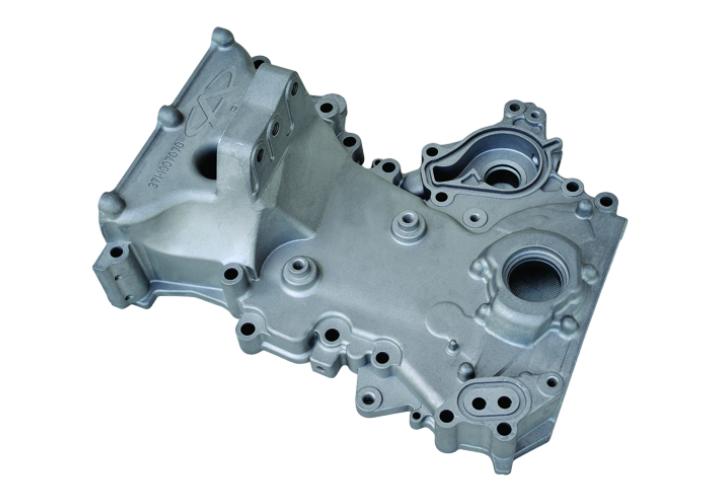
die casting machine
21
2026-09
The Essential Guide to Forging Molds: Understanding Their Importance in Manufacturing
18
2026-09
Zinc Die Casting Parts: A Premier Cost-Effective Solution for Customized Manufacturing
15
2026-09
The Intricacies of Zinc Alloy Die Casting: A Comprehensive Overview
12
2026-09
The Art of Creating Intricate Designs Through Aluminum Prototype Casting
09
2026-09
Understanding Die Casting Molds: The Backbone of Precision Manufacturing
06
2026-09
Unlocking Potential: The Advantages of Custom Aluminum Casting in Machinery Manufacturing
03
2026-09
The Essential Guide to Zinc Casting in Die-Casting and Forging Molds
GM Diecasting Technology Co.,Limited.
Add:Building 1-5, Chongke Road, Shipai Town, Dongguan City, Guangdong Province
Email:henry@gmdiecastingtech.com
Email:lily@gmdiecastingtech.com
Tel:+8613680864695