



26
2026
-
06
Enhancing Durability with Zinc Alloy in Industrial Settings: A Comprehensive Guide
Author:
Enhancing Durability with Zinc Alloy in Industrial Settings
Table of Contents
1. Understanding Zinc Alloys and Their Composition
2. The Importance of Durability in Industrial Applications
3. Properties of Zinc Alloys That Enhance Durability
3.1 Corrosion Resistance
3.2 Mechanical Strength
3.3 Lightweight Nature
4. Applications of Zinc Alloys in Various Industries
4.1 Automotive Industry
4.2 Construction Sector
4.3 Electronics Manufacturing
4.4 Marine Applications
5. The Environmental Impact of Zinc Alloys
6. Challenges in Zinc Alloy Usage
7. Future Trends in Zinc Alloy Development
8. Frequently Asked Questions (FAQs)
9. Conclusion
1. Understanding Zinc Alloys and Their Composition
Zinc alloys are metallic materials primarily composed of zinc and other elements such as aluminum, copper, magnesium, and others. The addition of these elements enhances the properties of zinc, making it suitable for a variety of industrial applications. Zinc's natural corrosion resistance is amplified by these alloying elements, creating a material renowned for its durability and resilience under harsh conditions.
The most commonly used zinc alloys include die-casting alloys, which are fabricated into complex shapes with high precision. These alloys have significant advantages over pure zinc, including improved mechanical properties and better fluidity during casting.
2. The Importance of Durability in Industrial Applications
In industrial settings, durability is a critical factor that directly impacts performance, safety, and cost-efficiency. Equipment and materials subject to various stresses—thermal, mechanical, and environmental—must maintain structural integrity over time. When materials fail, it can lead to costly downtimes, safety hazards, and significant financial losses.
Zinc alloys stand out in this context, providing superior longevity and reliability. By choosing zinc alloys, industries can reduce maintenance requirements, extend service life, and ensure operational efficiency.
3. Properties of Zinc Alloys That Enhance Durability
3.1 Corrosion Resistance
Corrosion is one of the primary reasons for material failure in industrial applications. Zinc alloys offer inherent corrosion resistance due to the passive oxide layer that forms on their surface. This layer acts as a protective barrier, preventing further oxidation and degradation. In environments exposed to moisture and various chemicals, zinc alloys perform exceptionally well, ensuring the longevity of components.
3.2 Mechanical Strength
The mechanical strength of zinc alloys is another significant advantage. When alloyed with elements like aluminum or copper, zinc alloys exhibit enhanced tensile strength and hardness. This robustness allows them to withstand heavy loads and mechanical stress without deformation, making them ideal for structural components in various sectors.
3.3 Lightweight Nature
Zinc alloys are notably lightweight compared to traditional materials like steel or iron. This lightweight characteristic enables easier handling and transport of components, which is especially beneficial in industries such as automotive manufacturing, where reducing vehicle weight can improve fuel efficiency.
4. Applications of Zinc Alloys in Various Industries
Zinc alloys have a wide range of applications across different industries due to their unique properties.
4.1 Automotive Industry
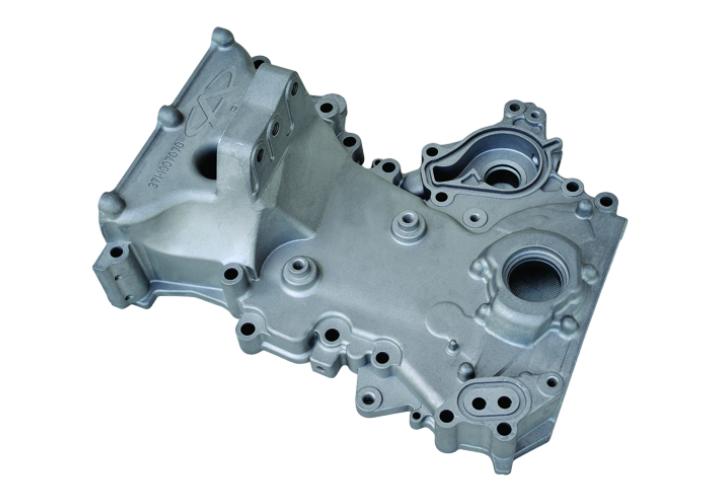
In the automotive industry, zinc alloys are commonly used for die-cast components such as engine blocks, transmission housings, and various structural parts. Their lightweight nature contributes to fuel efficiency, while their corrosion resistance extends the overall lifespan of vehicles.
4.2 Construction Sector
In construction, zinc alloys find their use in roofing materials, exterior cladding, and various fixtures. Their ability to withstand harsh weather conditions while maintaining structural integrity makes them a preferred choice for long-lasting construction materials.
4.3 Electronics Manufacturing
The electronics industry also benefits from zinc alloys, with applications in connectors, housings, and brackets. The excellent electrical conductivity and corrosion resistance of these alloys ensure reliable performance in electronic devices.
4.4 Marine Applications
In marine environments, where materials are exposed to saltwater and other corrosive elements, zinc alloys excel. They are used in boat fittings, hardware, and other components, providing durability and resistance to corrosion.
5. The Environmental Impact of Zinc Alloys
The production and use of zinc alloys have a relatively low environmental impact compared to other metals. Zinc is abundantly available and can be recycled without significant loss of properties. This sustainability aspect makes zinc alloys a greener choice for various applications, aligning with the growing demand for eco-friendly materials in industrial processes.
6. Challenges in Zinc Alloy Usage
Despite the numerous advantages, challenges persist in the use of zinc alloys. Issues such as susceptibility to hydrogen embrittlement in certain environments and limited high-temperature performance can affect their applicability. Ongoing research aims to address these challenges, enhancing the performance of zinc alloys in demanding situations.
7. Future Trends in Zinc Alloy Development
The future of zinc alloys looks promising as technological advancements continue to enhance their properties. Innovations in alloy composition and processing techniques are paving the way for new applications, particularly in high-performance sectors. The integration of nanotechnology and smart materials with zinc alloys may revolutionize industrial usage, leading to even more durable and efficient products.
8. Frequently Asked Questions (FAQs)
What are the primary benefits of using zinc alloys?
Zinc alloys provide excellent corrosion resistance, mechanical strength, and lightweight properties, making them ideal for various industrial applications.
In which industries are zinc alloys commonly used?
Zinc alloys are widely used in the automotive, construction, electronics, and marine industries due to their durability and versatility.
How do zinc alloys compare to other metals?
Zinc alloys offer superior corrosion resistance and lightweight characteristics compared to traditional metals like steel or iron, making them preferable in many applications.
Are zinc alloys environmentally friendly?
Yes, zinc alloys are sustainable and recyclable, resulting in a lower environmental impact compared to many other metals.
What challenges do zinc alloys face in industrial applications?
Challenges include susceptibility to hydrogen embrittlement and limited performance at high temperatures, but ongoing research aims to mitigate these issues.
9. Conclusion
In conclusion, zinc alloys represent a significant advancement in materials engineering, providing enhanced durability and resilience in industrial settings. Their unique properties, including corrosion resistance, mechanical strength, and lightweight nature, make them indispensable in various applications across multiple industries. As technology progresses, the potential for zinc alloys continues to grow, promising even greater innovations that will further enhance their role in ensuring efficient and long-lasting industrial processes. Embracing the advantages of zinc alloys can lead to improved performance, reduced costs, and a more sustainable approach to material usage in various sectors.
zinc alloy
21
2026-09
The Essential Guide to Forging Molds: Understanding Their Importance in Manufacturing
18
2026-09
Zinc Die Casting Parts: A Premier Cost-Effective Solution for Customized Manufacturing
15
2026-09
The Intricacies of Zinc Alloy Die Casting: A Comprehensive Overview
12
2026-09
The Art of Creating Intricate Designs Through Aluminum Prototype Casting
09
2026-09
Understanding Die Casting Molds: The Backbone of Precision Manufacturing
06
2026-09
Unlocking Potential: The Advantages of Custom Aluminum Casting in Machinery Manufacturing
03
2026-09
The Essential Guide to Zinc Casting in Die-Casting and Forging Molds
GM Diecasting Technology Co.,Limited.
Add:Building 1-5, Chongke Road, Shipai Town, Dongguan City, Guangdong Province
Email:henry@gmdiecastingtech.com
Email:lily@gmdiecastingtech.com
Tel:+8613680864695