



27
2026
-
09
The Essential Guide to Die Casting: Techniques, Applications, and Benefits
Author:
One of the primary advantages of die casting is its speed. Once the molds are constructed, the production cycle can be remarkably fast, allowing for high-volume manufacturing. This rapid production capability makes die casting an economical choice for many applications, particularly when producing large quantities of parts.
In terms of materials, die casting typically utilizes non-ferrous metals such as aluminum, zinc, and magnesium. Each of these materials has unique properties that make them suitable for specific applications. For instance, aluminum die casting is often chosen for its lightweight nature and excellent corrosion resistance, making it ideal for automotive and aerospace components. On the other hand, zinc die casting is favored for its strength and ability to be plated or painted easily, making it ideal for hardware and electronic components.
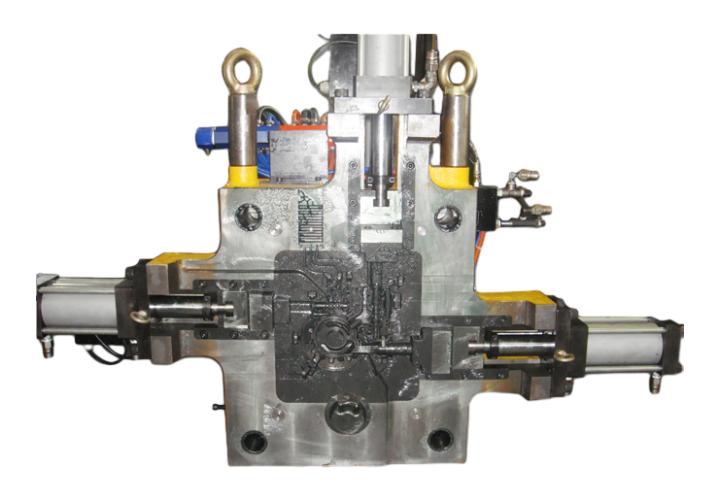
The die casting process can be categorized into two main types: hot chamber and cold chamber die casting. Hot chamber die casting is best suited for low-melting-point metals and allows for quicker cycle times. In contrast, cold chamber die casting is typically used for metals with higher melting points and involves pouring the molten metal into the chamber before it is forced into the mold. Understanding the differences between these methods is crucial for selecting the appropriate die casting technique for specific project requirements.
Die casting not only provides design flexibility, allowing for complex geometries and reduced need for secondary machining, but it also enhances the overall strength of the final product. The high pressure applied during the casting process aligns the metal's microstructure, resulting in parts that exhibit superior mechanical properties.
In addition to its technical advantages, die casting contributes to sustainability efforts by minimizing waste. The process allows for the recycling of scrap metal, further reducing material costs and environmental impact. This makes it an appealing choice for companies seeking to improve their sustainability profile while maintaining quality and efficiency in production.
In summary, die casting is a vital manufacturing process that combines speed, precision, and material efficiency, making it an essential technique in the production of modern machinery and equipment. By understanding its techniques and applications, professionals can leverage die casting to streamline production and enhance product quality in their operations.
die casting
Previous Page
Previous Page
24
2026-09
How to Stay Ahead in Mold Forging: Insights for Manufacturers
21
2026-09
The Essential Guide to Forging Molds: Understanding Their Importance in Manufacturing
18
2026-09
Zinc Die Casting Parts: A Premier Cost-Effective Solution for Customized Manufacturing
15
2026-09
The Intricacies of Zinc Alloy Die Casting: A Comprehensive Overview
12
2026-09
The Art of Creating Intricate Designs Through Aluminum Prototype Casting
09
2026-09
Understanding Die Casting Molds: The Backbone of Precision Manufacturing
06
2026-09
Unlocking Potential: The Advantages of Custom Aluminum Casting in Machinery Manufacturing
GM Diecasting Technology Co.,Limited.
Add:Building 1-5, Chongke Road, Shipai Town, Dongguan City, Guangdong Province
Email:henry@gmdiecastingtech.com
Email:lily@gmdiecastingtech.com
Tel:+8613680864695