



02
2026
-
04
The Essential Guide to Custom Aluminum Casting in Manufacturing
Author:
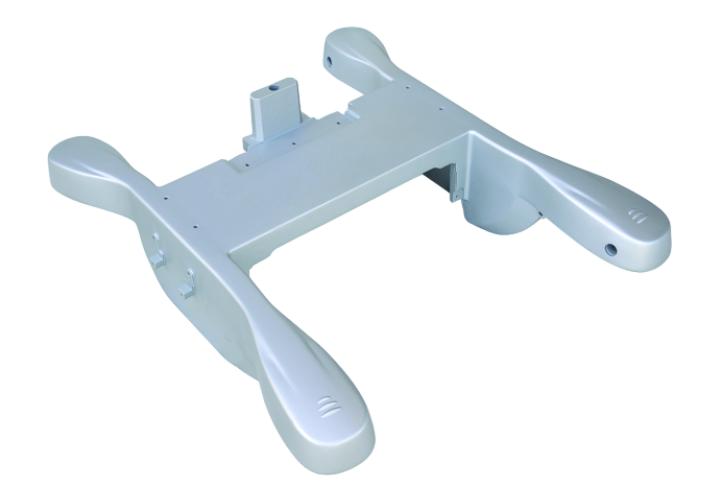
One of the primary advantages of custom aluminum casting is its ability to produce lightweight yet strong components. Aluminum's inherent properties allow for reduced weight without compromising structural integrity, making it a preferred choice in sectors like automotive, aerospace, and consumer electronics. Additionally, this casting method offers excellent corrosion resistance, which is vital for components exposed to harsh environments.
The custom aluminum casting process can be tailored to meet diverse manufacturing needs. Common techniques include sand casting, die casting, and investment casting, each providing different benefits. Sand casting, for instance, is highly versatile and cost-effective for low to medium production volumes, whereas die casting is ideal for producing high volumes of identical parts with tight tolerances. Investment casting, on the other hand, excels in creating complex geometries and fine details, making it suitable for precision applications.
Another significant factor in custom aluminum casting is its adaptability to various alloys. Different aluminum alloys can be used to enhance specific properties such as strength, ductility, and thermal conductivity. By selecting the appropriate alloy, manufacturers can optimize the performance of the final product based on its intended application.
Moreover, the custom aluminum casting process allows for considerable design flexibility. Designers can create components that are not only functional but also aesthetically pleasing. This flexibility enables manufacturers to innovate and differentiate their products in a competitive market.
To ensure the success of custom aluminum casting projects, it is essential to collaborate closely with experienced foundries and engineers. Factors such as mold design, cooling rates, and post-casting treatment must be carefully considered to achieve the desired quality and performance of the final products.
In conclusion, custom aluminum casting is a vital technique in the manufacturing and machining sectors, offering numerous advantages in terms of weight reduction, corrosion resistance, and design flexibility. By leveraging the unique properties of aluminum and employing suitable casting methods, businesses can enhance their product offerings and meet the evolving demands of their industries. Understanding the intricacies of this process will empower professionals to make informed decisions in their projects, ultimately leading to greater efficiency and innovation in their manufacturing endeavors.
custom aluminum casting
30
2026-09
The Art of Crafting Durable Aluminum Casts for Industrial Applications
27
2026-09
The Essential Guide to Die Casting: Techniques, Applications, and Benefits
24
2026-09
How to Stay Ahead in Mold Forging: Insights for Manufacturers
21
2026-09
The Essential Guide to Forging Molds: Understanding Their Importance in Manufacturing
18
2026-09
Zinc Die Casting Parts: A Premier Cost-Effective Solution for Customized Manufacturing
15
2026-09
The Intricacies of Zinc Alloy Die Casting: A Comprehensive Overview
12
2026-09
The Art of Creating Intricate Designs Through Aluminum Prototype Casting
GM Diecasting Technology Co.,Limited.
Add:Building 1-5, Chongke Road, Shipai Town, Dongguan City, Guangdong Province
Email:henry@gmdiecastingtech.com
Email:lily@gmdiecastingtech.com
Tel:+8613680864695