12

2026

-

11

Understanding Custom Aluminum Casting: A Key Process in Metal Manufacturing

Author:


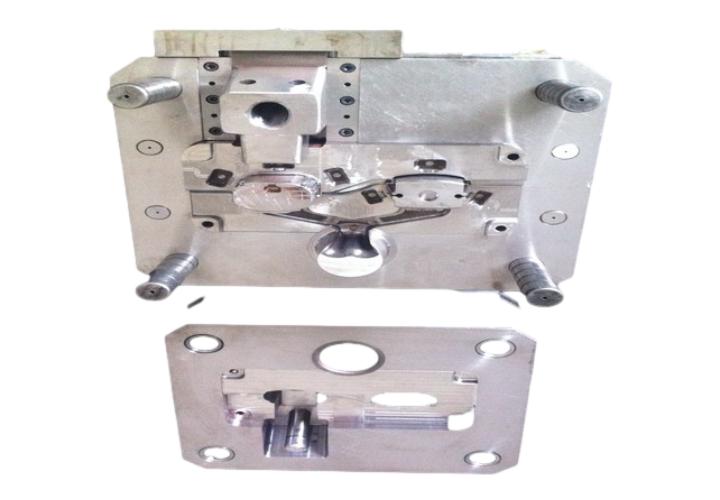
Custom aluminum casting is a manufacturing technique that involves pouring molten aluminum into a mold to create parts with specific shapes and dimensions. This method is particularly advantageous for producing complex geometries that would be challenging to achieve through traditional machining methods. In the context of mechanical processing and hardware manufacturing, custom aluminum casting enables the production of lightweight yet durable components, making it an ideal choice for a range of applications.
One of the primary advantages of custom aluminum casting is its ability to produce intricate designs without the need for extensive machining after the casting process. This efficiency not only reduces production time but also minimizes material waste, contributing to a more sustainable manufacturing practice. The versatility of aluminum as a material further enhances the appeal of custom aluminum casting, as it can be alloyed with other metals to achieve desired properties, such as increased strength, corrosion resistance, and improved machinability.
In many industries, custom aluminum castings are utilized for components that require excellent thermal and electrical conductivity, making them suitable for applications in automotive, aerospace, and electronics sectors. For instance, custom aluminum castings can be used to manufacture engine blocks, transmission housings, and heat exchangers, demonstrating their effectiveness in high-demand environments.
The process typically begins with the design phase, where engineers use computer-aided design (CAD) software to create detailed models of the desired parts. These models are then translated into molds, which can be made from various materials, including sand, metal, or ceramic. Once the molds are prepared, molten aluminum is poured in and allowed to solidify, forming the desired shape. After cooling, the castings undergo finishing processes, such as machining, surface treatment, or coating, to enhance their functionality and aesthetic appeal.
Moreover, custom aluminum casting offers considerable advantages in terms of scalability. Whether producing small batches or large quantities, manufacturers can adjust their processes to meet the specific needs of their clients. This flexibility is particularly beneficial in today’s rapidly changing market, where demand can fluctuate.
In summary, custom aluminum casting is a sophisticated and efficient method that plays a crucial role in the manufacturing and processing of metal components. Its ability to produce complex shapes, coupled with the lightweight and durable nature of aluminum, makes it a preferred choice across various industries. Understanding the nuances of custom aluminum casting can significantly enhance a company's manufacturing capabilities and product offerings.

custom aluminum casting

12

2026-11

Understanding Custom Aluminum Casting: A Key Process in Metal Manufacturing

Custom aluminum casting is a manufacturing technique that involves pouring molten aluminum into a mold to create parts with specific shapes and dimensions. This method is particularly advantageous for producing complex geometries that would be challenging to achieve through traditional machining methods. In the context of mechanical processing and hardware manufacturing, custom aluminum casting en

09

2026-11

Optimizing Performance: The Essential Guide to Zinc Casting for Die Casting Tools

Optimizing Performance: The Essential Guide to Zinc Casting for Die Casting Tools Table of Contents 1. Introduction to Zinc Casting in Die Casting Tools 2. Benefits of Zinc Casting for Die Casting Tools 3. The Zinc Casting Process Explained 4. Common Applications of Zinc Casting in Die Casting 5. Challenges in Zinc Casting and How to Overcome Them 6. Tips for Optimizin

21

2026-10

Understanding Zinc Die Casting: A Comprehensive Guide for Manufacturing Professionals

Zinc die casting is a metal casting process that involves forcing molten zinc alloy into a mold cavity under high pressure. This technique is particularly valued in manufacturing due to its ability to create intricate and precise geometries, making it ideal for various applications across multiple industries. One of the primary advantages of zinc die casting is its ability to produce parts with ex

18

2026-10

Empowering Manufacturers: The Benefits of Die Casting Machines

Empowering Manufacturers: The Benefits of Die Casting Machines Manufacturing has come a long way, and in this journey, die casting machines have emerged as a cornerstone for efficiency, precision, and adaptability. The die casting process is widely used in various industries, providing solutions that significantly enhance production capabilities. This extensive article delves into the myriad benef

15

2026-10

Understanding Aluminum Die Casting: A Key Process in Metal Manufacturing

Aluminum die casting is a highly efficient manufacturing process used to produce complex and precise metal parts. This technique involves forcing molten aluminum into a mold under high pressure. The result is a product that exhibits excellent dimensional accuracy, surface finish, and mechanical properties. As such, aluminum die casting stands out as a preferred method for producing components in v

12

2026-10

Aluminum Alloy Mold Maintenance: Best Practices and Tips for Longevity

Aluminum Alloy Mold Maintenance: Best Practices and Tips for Longevity Table of Contents Understanding Aluminum Alloy Molds The Importance of Mold Maintenance Best Practices for Aluminum Alloy Mold Maintenance Cleaning Procedures Lubrication Techniques Inspecting for Damage Effective Storage Tips for Aluminum Alloy Molds Tr

09

2026-10

Understanding Zinc Alloy Molds: A Key Component in Precision Manufacturing

Zinc alloy molds are increasingly significant in the realm of precision manufacturing, particularly within the mechanical hardware processing and mold fabrication sectors. These molds are crafted from zinc alloys, which are known for their excellent properties such as durability, resistance to corrosion, and good thermal conductivity. The combination of these characteristics makes zinc alloy molds

06

2026-10

Innovative Uses of Zinc Alloy in Sustainable Energy Solutions

Innovative Uses of Zinc Alloy in Sustainable Energy Solutions Introduction to Zinc Alloy and Its Importance Zinc alloy, a blend of zinc with other metals such as aluminum, copper, and magnesium, has garnered significant attention in various industries due to its superior properties. Its lightweight nature, corrosion resistance, and excellent mechanical strength make it an ideal choice for applicat