
NEWS

Company News


11-07

Maximizing Output: Effective Strategies for Optimizing Die Casting Processes

Maximizing Output: Effective Strategies for Optimizing Die Casting Processes Introduction to Die Casting Optimization In the fast-paced world of manufacturing, particularly in sectors that rely heavily on metal components, die casting stands out as a pivotal process. This technique involves forcing molten metal into a mold cavity, resulting in precise and intricate designs. To maintain a competiti
11-06

Understanding Aluminum Die Casting: A Comprehensive Guide for Professionals
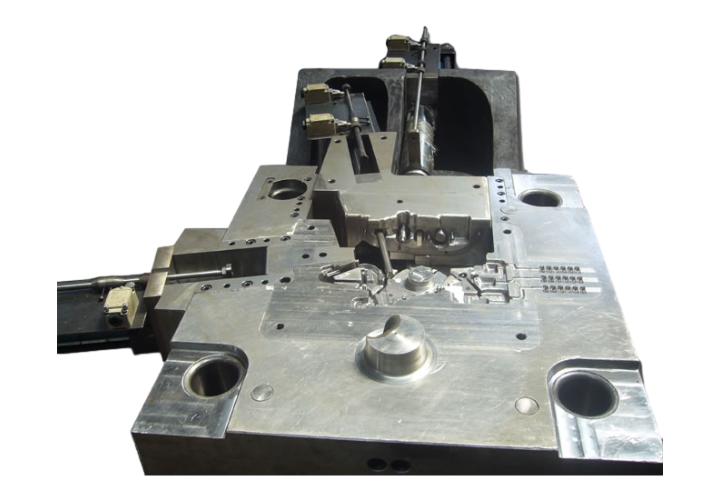
Aluminum die casting is a highly efficient manufacturing process that plays a crucial role in the production of complex metal components. This method involves forcing molten aluminum into a mold cavity under high pressure, resulting in precise, intricate shapes that are often required in various industries, including automotive, aerospace, and consumer electronics. One of the primary advantages o
11-05

Achieving Precision with new Aluminum Die Casting Techniques: Elevating Manufacturing Standards

Achieving Precision with Aluminum Die Casting Techniques Introduction to Aluminum Die Casting Aluminum die casting has emerged as a cornerstone in the **manufacturing industry**, particularly in sectors demanding high precision and durability. The process involves pouring molten aluminum into a die or mold, allowing it to solidify and take the desired shape. This technique is favored for its abili
11-04

Exploring the Benefits and Process of Aluminum Die Casting in Manufacturing

Aluminum die casting is a manufacturing process that involves forcing molten aluminum into a mold cavity under high pressure. This method is widely favored in the production of complex parts commonly found in various industries, including automotive, aerospace, and electronics. One of the primary advantages of aluminum die casting is its ability to create components with excellent dimensional accu
11-03

Quality Control Strategies for Aluminum Alloy Mold Production: Ensuring Excellence in Manufacturing
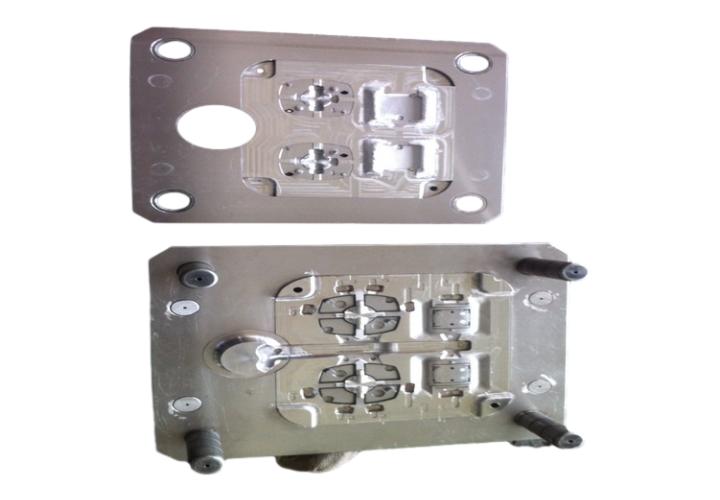
Quality Control Strategies for Aluminum Alloy Mold Production Table of Contents 1. Understanding Aluminum Alloy Molds 2. Importance of Quality Control in Mold Production 3. Key Quality Control Strategies 3.1 Material Selection and Testing 3.2 Process Control and Monitoring 3.3 Inspection Techniques for Mold Quality 4. Advanced Technologies in Quality Control 4.1 Automation and Robotics in Manufact
11-02

The Advantages and Applications of Aluminum Alloy Molds in Manufacturing
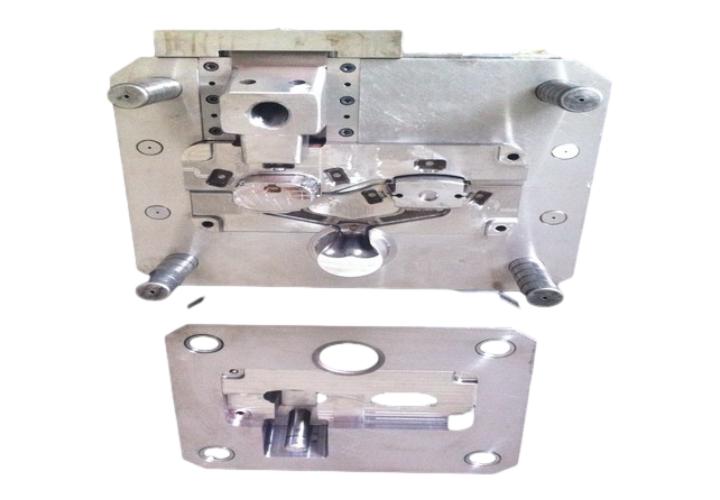
In the realm of manufacturing and machining, aluminum alloy molds have gained substantial popularity due to their numerous benefits and applications. Unlike traditional steel molds, aluminum alloy molds offer an impressive combination of lightweight properties, thermal conductivity, and cost-effectiveness, making them an ideal choice for various processes in the machining and mold-making industrie
11-01

Maximizing Efficiency with Aluminum Alloy Mold Machining: A Comprehensive Guide
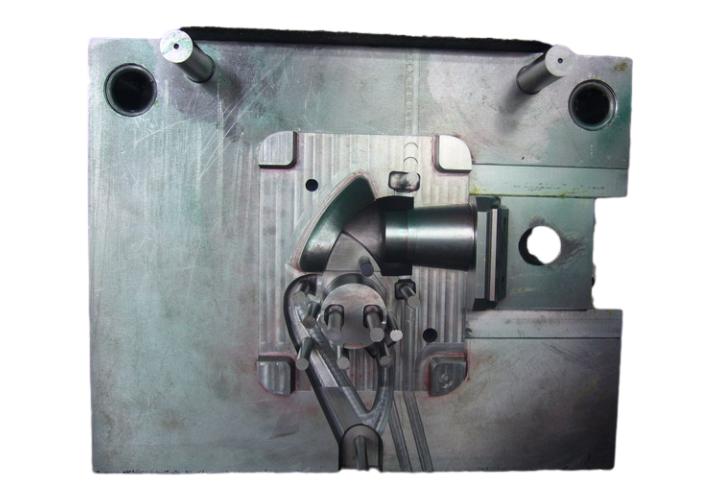
Maximizing Efficiency with Aluminum Alloy Mold Machining Understanding Aluminum Alloys in Mold Machining Aluminum alloys are widely recognized for their lightweight and corrosion-resistant properties, making them a preferred choice in mold machining. The versatility of these alloys allows manufacturers to produce intricate shapes and designs with precision. In this section, we will explore the var
10-31

Understanding quality Mold Forging: Techniques Benefits and Applications
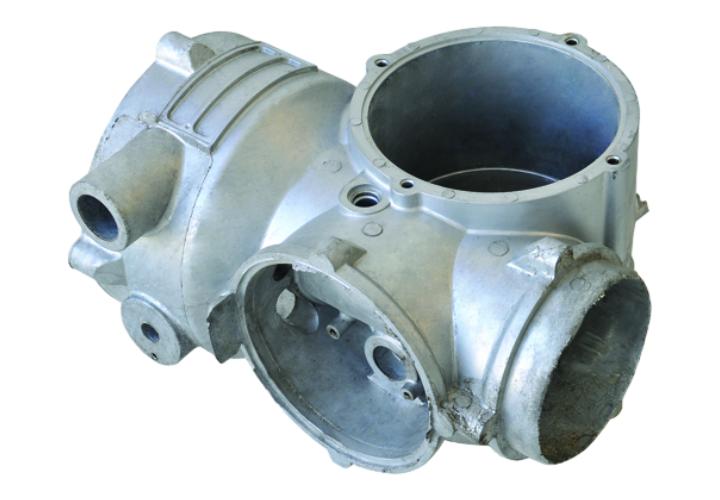
Mold forging, as a manufacturing process, involves shaping materials, typically metals, through the application of pressure within a mold. This technique is pivotal in creating components with intricate geometries and high strength, making it a preferred choice in sectors like automotive, aerospace, and heavy machinery. The process can be broken down into several key stages, including mold design,
< 1...272829...54 >