



09
2025
-
11
How Zinc Die Casting Parts Enhance Product Durability for Superior Performance
Author:
How Zinc Die Casting Parts Enhance Product Durability for Superior Performance
Table of Contents
1. Introduction to Zinc Die Casting
2. What is Zinc Die Casting?
3. Advantages of Zinc Die Casting Parts
- 3.1 Durability and Strength
- 3.2 Corrosion Resistance
- 3.3 Precision and Finish
4. Applications of Zinc Die Casting Parts
- 4.1 Automotive Industry
- 4.2 Electronics Industry
- 4.3 Consumer Goods
5. The Process of Zinc Die Casting
6. Sustainability in Zinc Die Casting
7. The Future of Zinc Die Casting
8. Conclusion
9. FAQs
Introduction to Zinc Die Casting
Zinc die casting has emerged as a leading manufacturing technique that significantly enhances product durability across various industries. As manufacturers continually strive for products that withstand the test of time, zinc die casting presents a robust solution. This article delves into how zinc die casting parts not only improve the longevity and performance of products but also provide manufacturers with a competitive edge.
What is Zinc Die Casting?
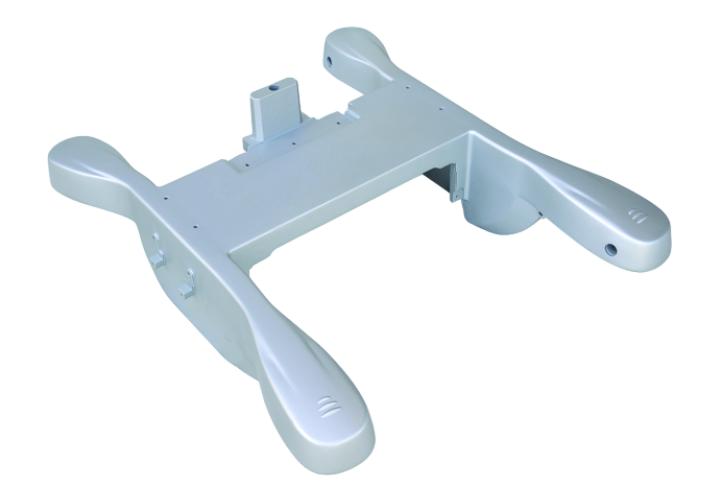
Zinc die casting is a specialized manufacturing process that involves forcing molten zinc alloy into a mold under high pressure. This method allows for the creation of intricate shapes with exceptional accuracy and a high-quality surface finish. The primary advantages of zinc die casting stem from the properties of zinc as a metal, along with the efficiency of the die casting process itself.
Advantages of Zinc Die Casting Parts
Zinc die casting parts offer a unique blend of advantages that contribute to enhanced product durability.
Durability and Strength
Zinc, as a metal, possesses remarkable strength and resistance to wear. Zinc die casting parts have superior mechanical properties compared to parts made from other materials. This strength translates into durability, allowing products to perform under stress without deforming or breaking.
Corrosion Resistance
One of the standout features of zinc die casting parts is their resistance to corrosion. Zinc inherently protects itself through a process known as galvanization, where a protective layer forms on the surface of the metal. This corrosion resistance is critical in applications exposed to moisture, chemicals, or harsh environments, making zinc die casting a preferred choice for outdoor and industrial applications.
Precision and Finish
The precision of zinc die casting is another reason for its popularity. The high-pressure molding process allows for tight tolerances and intricate designs. Additionally, the surface finish of zinc die cast parts can be enhanced through various treatments, further improving their aesthetic and functional qualities.
Applications of Zinc Die Casting Parts
Zinc die casting parts find their application in multiple industries due to their versatility and performance.
Automotive Industry
Within the automotive sector, zinc die casting plays a crucial role in producing reliable components such as gear housings, brackets, and various engine parts. The durability and strength of these components ensure vehicle safety and longevity.
Electronics Industry
Zinc die casting is widely utilized in the electronics industry, where components require excellent shielding against electromagnetic interference. The durability of zinc die casting parts contributes to the overall integrity and lifespan of electronic devices.
Consumer Goods
From household appliances to decorative items, zinc die casting parts are prevalent in consumer goods. Their aesthetic appeal combined with durability makes them suitable for various products that require both functionality and style.
The Process of Zinc Die Casting
Understanding the process behind zinc die casting provides insight into how these parts achieve their durability. The process typically involves several key steps:
1. **Mold Creation**: High-quality molds are designed and manufactured to achieve the desired component shape.
2. **Melting Zinc**: Zinc alloys are melted at high temperatures in a furnace.
3. **Injection**: The molten zinc is injected into the mold under high pressure.
4. **Cooling and Ejection**: After sufficient cooling, the molded part is ejected from the die.
5. **Finishing**: Additional finishing processes may be applied, such as machining, polishing, or coating.
This systematic approach ensures that the final product exhibits all the beneficial properties of zinc die casting.
Sustainability in Zinc Die Casting
In today's eco-conscious landscape, the sustainability of manufacturing processes is paramount. Zinc die casting is inherently sustainable; zinc is 100% recyclable without loss of quality. The recycling process reduces resource consumption and energy use, making zinc die casting a favorable option for manufacturers committed to environmental responsibility.
The Future of Zinc Die Casting
As technology advances, the future of zinc die casting appears bright. Innovations in material science, coupled with improvements in die casting machinery, promise to enhance the efficiency and capabilities of this manufacturing process. The integration of automation and digital technology is also poised to streamline production, further increasing product quality and reducing lead times.
Conclusion
Zinc die casting parts stand out as a key player in enhancing product durability across various industries. Their combination of strength, corrosion resistance, and precision manufacturing makes them indispensable for applications requiring long-lasting performance. As manufacturers continue to seek innovative solutions for product development, the advantages of zinc die casting will only solidify its position as a preferred choice in the manufacturing landscape.
FAQs
1. What are the primary benefits of using zinc die casting parts?
Zinc die casting parts offer numerous benefits, including high strength, excellent corrosion resistance, precise dimensions, and a superior surface finish.
2. In which industries is zinc die casting commonly used?
Zinc die casting is widely used in the automotive, electronics, and consumer goods industries, among others.
3. How does the zinc die casting process work?
The process involves creating a mold, melting zinc, injecting it into the mold under high pressure, cooling, and then ejecting the finished part.
4. Is zinc die casting environmentally friendly?
Yes, zinc die casting is environmentally friendly as zinc is 100% recyclable, reducing waste and conserving resources.
5. What makes zinc die casting a cost-effective manufacturing option?
Zinc die casting is cost-effective due to its ability to produce complex shapes with minimal waste and its relatively low production costs compared to other methods.
This comprehensive exploration of zinc die casting parts highlights their role in boosting product durability, making them a vital asset in various industries.
zinc die casting parts
30
2026-09
The Art of Crafting Durable Aluminum Casts for Industrial Applications
27
2026-09
The Essential Guide to Die Casting: Techniques, Applications, and Benefits
24
2026-09
How to Stay Ahead in Mold Forging: Insights for Manufacturers
21
2026-09
The Essential Guide to Forging Molds: Understanding Their Importance in Manufacturing
18
2026-09
Zinc Die Casting Parts: A Premier Cost-Effective Solution for Customized Manufacturing
15
2026-09
The Intricacies of Zinc Alloy Die Casting: A Comprehensive Overview
12
2026-09
The Art of Creating Intricate Designs Through Aluminum Prototype Casting
GM Diecasting Technology Co.,Limited.
Add:Building 1-5, Chongke Road, Shipai Town, Dongguan City, Guangdong Province
Email:henry@gmdiecastingtech.com
Email:lily@gmdiecastingtech.com
Tel:+8613680864695