



18
2026
-
11
Understanding Prototype Aluminum Casting: A Key to Efficient Manufacturing
Author:
One of the primary benefits of prototype aluminum casting is the ability to produce complex geometries that may be challenging to achieve with other manufacturing methods. This capability is especially important in industries where precision and functionality are critical, such as automotive and aerospace sectors. Moreover, aluminum casting allows for reduced lead times and lower production costs compared to traditional metalworking techniques.
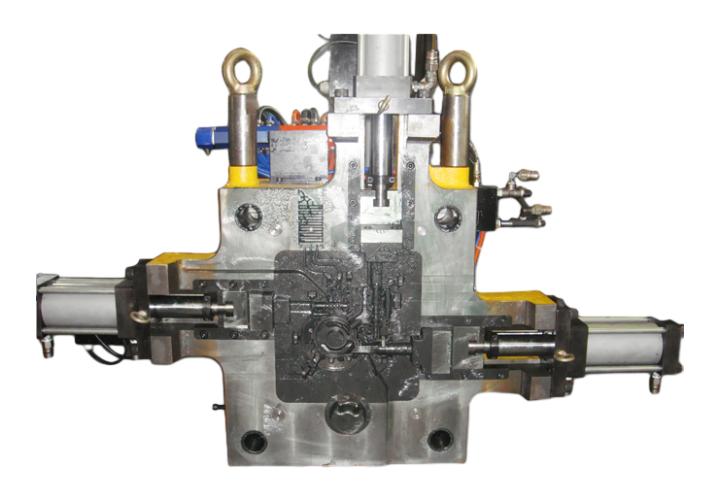
The process of prototype aluminum casting typically involves several key steps. Initially, a design is created using CAD (Computer-Aided Design) software, which allows for precise specifications to be established. After finalizing the design, a mold is crafted, often using a material like sand or metal, depending on the desired finish and complexity. Once the mold is ready, molten aluminum is poured in, filling the cavity and forming the prototype. After cooling, the mold is removed, revealing the cast prototype, which can then undergo further modifications or testing.
In addition to its applications in initial design stages, prototype aluminum casting also plays a significant role in creating tooling for mass production. By producing a prototype first, manufacturers can identify potential issues and make adjustments before investing in more expensive production tooling. This iterative approach minimizes waste and enhances the overall efficiency of the manufacturing process.
Furthermore, the prototype aluminum casting process is not just limited to one-off projects; it can be scaled up for small to medium production runs as needed. This flexibility allows manufacturers to respond quickly to market demands and customer needs, making it an attractive option for custom parts and limited-edition products.
In conclusion, prototype aluminum casting represents a pivotal aspect of modern manufacturing practices. It combines technological innovation with practical applications, facilitating the rapid development of high-quality components while optimizing production processes. For manufacturers focusing on die casting and forging molds, embracing prototype aluminum casting can lead to significant advancements in both efficiency and product quality, ultimately contributing to a competitive edge in the marketplace.
prototype aluminum casting
Previous Page
Previous Page
15
2026-11
Unleashing the Potential of Die Casting Mold in Modern Production
12
2026-11
Understanding Custom Aluminum Casting: A Key Process in Metal Manufacturing
09
2026-11
Optimizing Performance: The Essential Guide to Zinc Casting for Die Casting Tools
21
2026-10
Understanding Zinc Die Casting: A Comprehensive Guide for Manufacturing Professionals
18
2026-10
Empowering Manufacturers: The Benefits of Die Casting Machines
15
2026-10
Understanding Aluminum Die Casting: A Key Process in Metal Manufacturing
12
2026-10
Aluminum Alloy Mold Maintenance: Best Practices and Tips for Longevity
GM Diecasting Technology Co.,Limited.
Add:Building 1-5, Chongke Road, Shipai Town, Dongguan City, Guangdong Province
Email:henry@gmdiecastingtech.com
Email:lily@gmdiecastingtech.com
Tel:+8613680864695