



21
2025
-
11
Revolutionizing the World of Molding: The Advantages of Aluminum Casting
Author:
Revolutionizing the World of Molding: The Advantages of Aluminum Casting
Table of Contents
- Introduction to Aluminum Casting
- What is Aluminum Casting?
- The Benefits of Aluminum Casting
- The Manufacturing Process of Aluminum Casting
- Applications of Aluminum Casting in Various Industries
- Challenges in Aluminum Casting
- The Future of Aluminum Casting
- Conclusion
- FAQs about Aluminum Casting
Introduction to Aluminum Casting
Aluminum casting is at the forefront of modern manufacturing, offering unparalleled advantages in the production process and end-product quality. As industries shift toward lightweight and durable materials, aluminum casting has emerged as a pivotal technique. This article aims to provide a thorough understanding of aluminum casting, highlighting its benefits, processes, applications, challenges, and future prospects.
What is Aluminum Casting?
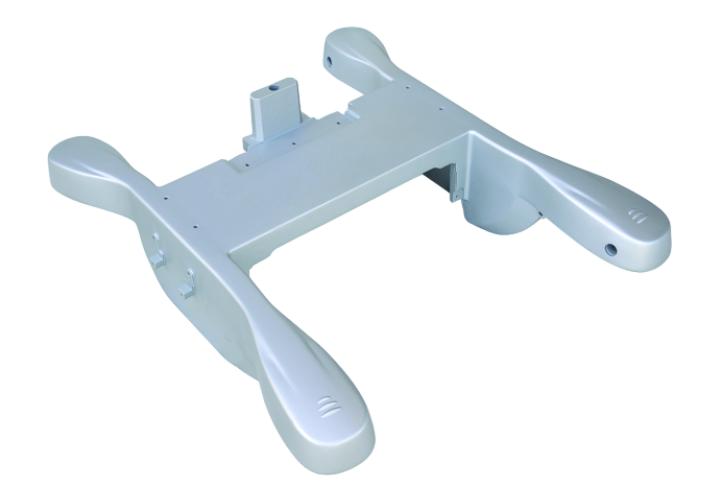
Aluminum casting refers to the method of pouring molten aluminum into molds to create a desired shape. This versatile technique can produce complex geometries and intricate designs, making it a preferred choice in various sectors. There are several methods of aluminum casting, including sand casting, die casting, and investment casting, each suited for different applications and requirements.
The Benefits of Aluminum Casting
Aluminum casting boasts several distinctive advantages that set it apart from other materials and fabrication methods.
Cost-Effectiveness
One of the most compelling reasons for choosing aluminum casting is its cost-effectiveness. The lightweight nature of aluminum reduces shipping and handling costs. Moreover, the efficiency of the casting process minimizes waste, lowering production costs. The durability of aluminum products means they require less frequent replacement, further enhancing their cost efficiency over time.
Lightweight and Durable
Aluminum is known for its remarkable strength-to-weight ratio. This characteristic allows manufacturers to create lightweight components without sacrificing durability. Such properties make aluminum casting ideal for industries where weight reduction is crucial, such as automotive and aerospace.
Versatility in Application
Aluminum casting is exceptionally versatile, applicable across a wide range of industries. From automotive parts to consumer electronics and even aerospace components, aluminum castings can be tailored to meet specific performance requirements. The ability to create intricate designs also opens doors for innovative applications in product development.
Sustainability
Sustainability is becoming increasingly important in manufacturing. Aluminum casting is inherently sustainable due to aluminum's recyclability. Recycled aluminum requires only a fraction of the energy needed to produce new aluminum from raw materials, making aluminum casting a more eco-friendly choice in comparison to other manufacturing processes.
The Manufacturing Process of Aluminum Casting
The aluminum casting process involves several critical steps to ensure high-quality results. Understanding these stages can help industries optimize their production processes.
1. Mold Design
The first step is designing the mold, which determines the shape and dimensions of the final product. Precision in this stage is crucial to avoid defects and ensure a flawless end product.
2. Melting Aluminum
Aluminum is then melted in a furnace, reaching temperatures of around 660°C (1220°F). This step requires careful temperature control to ensure optimal fluidity without compromising the metal's properties.
3. Pouring the Melt
Once melted, the aluminum is poured into the pre-prepared mold. The pouring technique must be monitored to prevent defects such as air pockets or uneven cooling.
4. Cooling and Solidification
The poured aluminum then cools and solidifies within the mold. This phase is critical, as cooling rates can affect the mechanical properties of the final product.
5. Removing the Casting
After cooling, the mold is removed to reveal the cast piece. This stage may involve additional processes such as trimming or surface finishing to achieve the desired final appearance.
Applications of Aluminum Casting in Various Industries
The applications of aluminum casting are extensive, catering to various industries that demand high performance and quality.
1. Automotive Industry
In the automotive sector, aluminum castings are used to produce engine blocks, transmission housings, and wheel rims. The lightweight properties of aluminum contribute to fuel efficiency and improved vehicle performance.
2. Aerospace Industry
The aerospace industry relies on aluminum casting for components such as aircraft frames and engine parts. The combination of strength and lightweight characteristics is vital for efficient flight.
3. Consumer Electronics
Many consumer electronics, including laptops and smartphones, utilize aluminum castings for their housings. The sleek design and durability of aluminum enhance the product's appeal and longevity.
4. Industrial Equipment
Aluminum castings are also prevalent in manufacturing machinery and equipment, where durability and resistance to wear are crucial for optimal performance.
Challenges in Aluminum Casting
Despite its numerous advantages, aluminum casting is not without challenges. Some common issues include:
1. Porosity
Porosity can occur during the casting process, leading to the formation of small holes within the metal. This defect can compromise the structural integrity of the final product.
2. Dimensional Accuracy
Ensuring dimensional accuracy can be challenging in aluminum casting. Variations in temperature and cooling rates can lead to inconsistencies in the final dimensions.
3. Surface Finish
Achieving the desired surface finish may require additional machining or surface treatment processes, increasing production time and costs.
The Future of Aluminum Casting
As industries continue to evolve, the future of aluminum casting looks promising. Innovations in casting technologies, such as 3D printing and advanced molding techniques, are expected to enhance production efficiency and reduce costs. Additionally, the increasing emphasis on sustainability will drive further research and development in the recycling and reuse of aluminum materials.
Conclusion
Aluminum casting is revolutionizing the world of molding by offering significant advantages in cost, weight, durability, and sustainability. As industries continue to seek innovative solutions to meet modern demands, aluminum casting stands out as a versatile and efficient manufacturing method. Understanding its benefits and challenges can help businesses make informed decisions in adopting aluminum casting processes, ultimately driving progress in their respective fields.
FAQs about Aluminum Casting
1. What is aluminum casting used for?
Aluminum casting is used in various industries, including automotive, aerospace, consumer electronics, and industrial equipment, for producing lightweight and durable components.
2. How is aluminum casting different from other casting methods?
Aluminum casting differs from other casting methods in its material properties, requiring specific techniques and processes to achieve desired results.
3. Is aluminum casting environmentally friendly?
Yes, aluminum casting is considered environmentally friendly due to aluminum's high recyclability, reducing energy consumption in production.
4. What are the common defects in aluminum casting?
Common defects include porosity, dimensional inaccuracies, and surface finish issues, which can affect the quality of the final product.
5. What is the future of aluminum casting?
The future of aluminum casting includes advancements in technology, increased focus on sustainability, and broader applications across different industries.
aluminum casting
30
2026-09
The Art of Crafting Durable Aluminum Casts for Industrial Applications
27
2026-09
The Essential Guide to Die Casting: Techniques, Applications, and Benefits
24
2026-09
How to Stay Ahead in Mold Forging: Insights for Manufacturers
21
2026-09
The Essential Guide to Forging Molds: Understanding Their Importance in Manufacturing
18
2026-09
Zinc Die Casting Parts: A Premier Cost-Effective Solution for Customized Manufacturing
15
2026-09
The Intricacies of Zinc Alloy Die Casting: A Comprehensive Overview
12
2026-09
The Art of Creating Intricate Designs Through Aluminum Prototype Casting
GM Diecasting Technology Co.,Limited.
Add:Building 1-5, Chongke Road, Shipai Town, Dongguan City, Guangdong Province
Email:henry@gmdiecastingtech.com
Email:lily@gmdiecastingtech.com
Tel:+8613680864695