



04
2026
-
02
Crafting Excellence: The Art of Zinc Die Casting in Mold Making
Author:
Crafting Excellence: The Art of Zinc Die Casting in Mold Making
Table of Contents
1. Introduction to Zinc Die Casting
2. The Importance of Mold Making
3. Understanding the Zinc Die Casting Process
3.1. Die Preparation
3.2. The Zinc Die Casting Process
3.3. Solidification and Ejection
4. Advantages of Zinc Die Casting in Mold Making
5. Applications of Zinc Die Casting
6. Key Considerations in Mold Design
7. Maintenance and Quality Control in Zinc Die Casting
8. Frequently Asked Questions (FAQs)
9. Conclusion
1. Introduction to Zinc Die Casting
Zinc die casting is a highly efficient manufacturing process that converts molten zinc into precise and intricate shapes. Recognized for its superior quality and production speed, zinc serves as an ideal material for various applications in the mold-making industry. By leveraging the unique properties of zinc, manufacturers can achieve exceptional detail and strength in their final products.
2. The Importance of Mold Making
Mold making is a critical aspect of manufacturing that involves creating a negative impression of a desired shape. It serves as the foundation for the production of numerous items across various industries. High-quality molds guarantee consistency, durability, and precision in the casting process. Without well-designed molds, achieving the desired product specifications becomes a daunting challenge.
3. Understanding the Zinc Die Casting Process
The zinc die casting process consists of several key stages, each essential to ensuring the final product meets quality standards.
3.1. Die Preparation
The first step involves preparing the die, which is typically made of steel or iron. This preparation stage includes cleaning, lubrication, and applying any necessary coatings to ensure optimal performance during the casting process.
3.2. The Zinc Die Casting Process
Once the die is prepared, molten zinc is injected under high pressure into the die cavity. The incredible speed of injection ensures that the material fills every corner, capturing all the details of the mold. This stage is crucial for achieving the dimensional accuracy needed for high-quality molds.
3.3. Solidification and Ejection
After the molten zinc has filled the die, it begins to cool and solidify rapidly. Once solidified, the die opens, and the cast part is ejected. This process is efficient, allowing for rapid production rates while maintaining high precision.
4. Advantages of Zinc Die Casting in Mold Making
Zinc die casting presents numerous advantages that make it a preferred choice in mold making.
- **Superior Strength and Durability**: Zinc has a high tensile strength, which ensures the longevity of the molds produced.
- **Fine Detail and Complexity**: The die casting process allows for intricate designs that would be challenging to achieve with other methods.
- **Cost-Effectiveness**: Zinc die casting is economical, especially for large production runs, as it minimizes material waste and labor costs.
- **Corrosion Resistance**: Zinc has excellent corrosion resistance, which extends the lifespan of the molds.
- **Recyclability**: Zinc is 100% recyclable, making it an environmentally friendly option for manufacturers.
5. Applications of Zinc Die Casting
Zinc die casting is applied across a myriad of industries, including:
- **Automotive Components**: Components such as gears, brackets, and fuel systems benefit from the strength and precision of zinc die casting.
- **Electronics**: Casings for various electronic devices utilize zinc die casting for its durability and heat resistance.
- **Consumer Goods**: Items like door handles, locks, and decorative fittings often exploit the aesthetic potential of zinc.
- **Medical Devices**: Precision parts in medical instruments often rely on zinc die casting for their strength and reliability.
6. Key Considerations in Mold Design
Designing an effective mold is crucial for successful zinc die casting. Key considerations include:
- **Draft Angles**: Incorporating proper draft angles ensures ease of ejection from the mold.
- **Cooling Channels**: Designing effective cooling channels within the mold enhances solidification and cycle times.
- **Material Selection**: Choosing the right material for the mold itself impacts durability and lifespan.
- **Surface Finish**: A well-designed surface finish not only improves the mold's lifespan but also influences the final product's appearance.
7. Maintenance and Quality Control in Zinc Die Casting
To ensure the longevity of molds and the quality of castings, regular maintenance and stringent quality control are essential.
- **Routine Inspections**: Regular checks for wear and tear on the molds can prevent costly downtime.
- **Quality Standards**: Adhering to international quality standards guarantees that the products meet the required specifications.
- **Cleaning Procedures**: Proper cleaning techniques help maintain the integrity of the die and enhance its life span.
8. Frequently Asked Questions (FAQs)
**Q1: How does zinc die casting differ from aluminum die casting?**
A1: While both processes involve injecting molten metal into a mold, zinc die casting generally offers better detail, is more cost-effective for smaller parts, and has superior mechanical properties.
**Q2: What is the typical lifespan of a zinc die casting mold?**
A2: With proper maintenance, zinc die casting molds can last from 50,000 to over 1 million cycles, depending on the complexity and usage.
**Q3: Can zinc die casting be used for large-scale production?**
A3: Yes, zinc die casting is highly suitable for large-scale production due to its rapid cycle times and efficiency.
**Q4: Is zinc die casting environmentally friendly?**
A4: Yes, zinc is 100% recyclable, making zinc die casting an environmentally responsible manufacturing option.
**Q5: What are the typical applications of zinc die casting?**
A5: Common applications include automotive components, electronic parts, consumer goods, and medical devices.
9. Conclusion
Zinc die casting stands as a remarkable testament to the intersection of art and engineering in mold making. Its ability to produce intricate, durable, and high-quality molds makes it a preferred choice in various industries. By understanding the nuances of the zinc die casting process and the importance of effective mold design, manufacturers can achieve excellence in their product offerings. Embracing zinc die casting not only enhances manufacturing capabilities but also cultivates a commitment to sustainable practices that benefit both the industry and the environment.
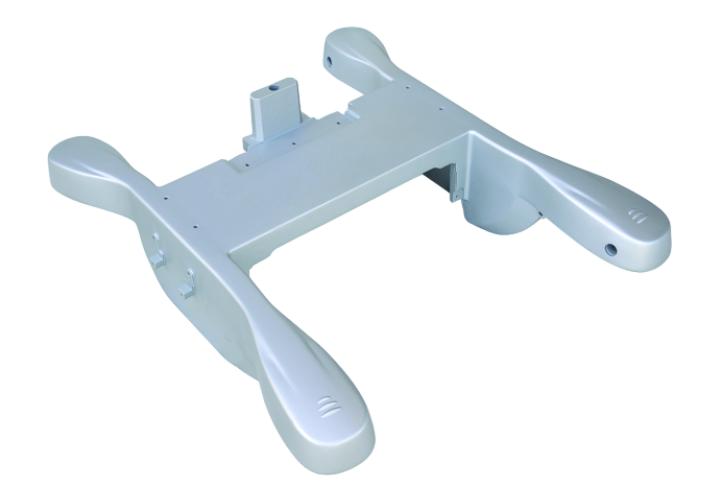
zinc die casting
30
2026-09
The Art of Crafting Durable Aluminum Casts for Industrial Applications
27
2026-09
The Essential Guide to Die Casting: Techniques, Applications, and Benefits
24
2026-09
How to Stay Ahead in Mold Forging: Insights for Manufacturers
21
2026-09
The Essential Guide to Forging Molds: Understanding Their Importance in Manufacturing
18
2026-09
Zinc Die Casting Parts: A Premier Cost-Effective Solution for Customized Manufacturing
15
2026-09
The Intricacies of Zinc Alloy Die Casting: A Comprehensive Overview
12
2026-09
The Art of Creating Intricate Designs Through Aluminum Prototype Casting
GM Diecasting Technology Co.,Limited.
Add:Building 1-5, Chongke Road, Shipai Town, Dongguan City, Guangdong Province
Email:henry@gmdiecastingtech.com
Email:lily@gmdiecastingtech.com
Tel:+8613680864695