



13
2026
-
02
Understanding Die Casting Molds: A Comprehensive Guide for Manufacturing Professionals
Author:
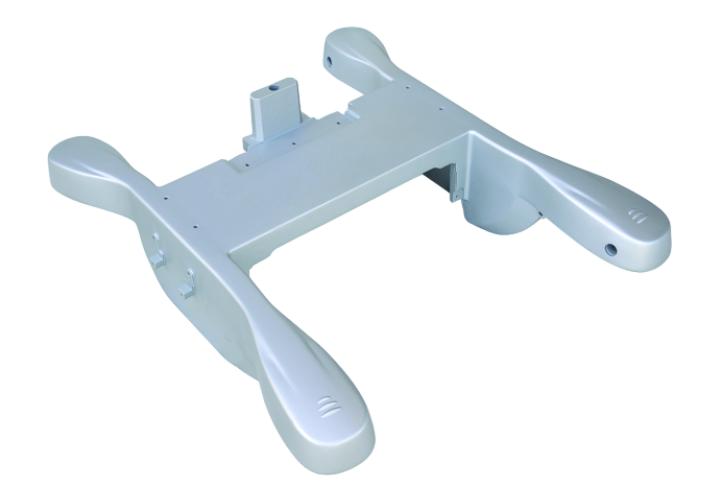
A die casting mold typically consists of two main parts: the die itself and the core. The die is the outer shell that defines the external shape of the manufactured part, while the core creates internal features. Molds are usually made from high-strength steel or other durable materials to withstand the intense pressures and temperatures involved in the die casting process. The design of these molds is crucial, as it can affect various aspects such as cooling rates, metal flow, and ultimately the final quality of the cast product.
There are two primary types of die casting molds: hot chamber and cold chamber molds. Hot chamber molds are used for metals with low melting points, such as zinc, allowing for faster production cycles. In contrast, cold chamber molds are designed for materials with higher melting points, like aluminum. Each type has its advantages and is selected based on the specific requirements of the manufacturing project.
When designing a die casting mold, several factors must be considered. These include the complexity of the part design, the type of material being used, and the anticipated production volume. A well-designed mold can significantly reduce cycle times, decrease material waste, and enhance the overall quality of the cast parts. It is also essential to incorporate features such as draft angles, venting, and cooling channels into the mold design to facilitate the efficient release of the cast part and ensure uniform cooling.
Maintenance of die casting molds is another critical aspect that can impact production efficiency. Regular inspection and maintenance help to prevent wear and tear, ensuring that the molds remain in optimal condition. This not only prolongs the life span of the molds but also maintains the quality of the cast parts produced.
In conclusion, die casting molds are vital tools in the manufacturing process, playing a key role in achieving high-quality metal components. By understanding the types of molds, their design considerations, and the importance of maintenance, manufacturers can optimize their production processes and improve overall outcomes. Emphasizing these elements can lead to enhanced product quality, reduced costs, and increased efficiency in the competitive landscape of manufacturing.
die casting mold
30
2026-09
The Art of Crafting Durable Aluminum Casts for Industrial Applications
27
2026-09
The Essential Guide to Die Casting: Techniques, Applications, and Benefits
24
2026-09
How to Stay Ahead in Mold Forging: Insights for Manufacturers
21
2026-09
The Essential Guide to Forging Molds: Understanding Their Importance in Manufacturing
18
2026-09
Zinc Die Casting Parts: A Premier Cost-Effective Solution for Customized Manufacturing
15
2026-09
The Intricacies of Zinc Alloy Die Casting: A Comprehensive Overview
12
2026-09
The Art of Creating Intricate Designs Through Aluminum Prototype Casting
GM Diecasting Technology Co.,Limited.
Add:Building 1-5, Chongke Road, Shipai Town, Dongguan City, Guangdong Province
Email:henry@gmdiecastingtech.com
Email:lily@gmdiecastingtech.com
Tel:+8613680864695