



14
2026
-
04
Understanding Zinc Die Casting Parts: Key Insights for Manufacturing and Machining
Author:
One of the most significant advantages of zinc die casting is its cost-effectiveness. Zinc is one of the most affordable metals for casting, and the die casting process allows for high-volume production with minimal waste. This efficiency not only reduces the overall manufacturing costs but also enhances the environmental sustainability of the production process. The ability to produce intricate designs means that manufacturers can fulfill diverse customer requirements without compromising on quality.
Zinc die casting parts also demonstrate excellent mechanical and physical properties. They have a high strength-to-weight ratio, making them suitable for applications where durability is paramount without adding significant weight. Additionally, zinc alloys exhibit good corrosion resistance, which is crucial for parts exposed to harsh environments. This characteristic makes zinc die casting parts a popular choice in industries such as automotive, electronics, and consumer goods, where longevity and performance are critical.
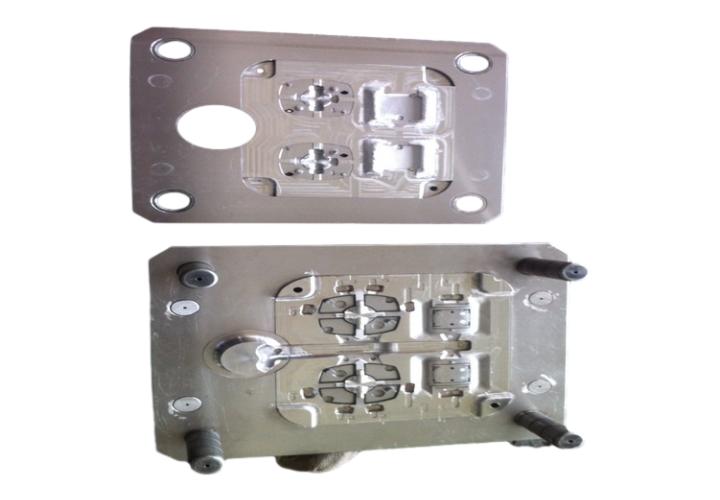
The manufacturing process for zinc die casting parts typically involves several key stages: mold design, metal melting, injection, cooling, and ejection. Mold design is crucial as it determines the final shape and features of the part. Advanced CAD software is often used to create accurate mold designs, ensuring that the final product meets specifications. Once the molds are ready, zinc is melted at high temperatures and injected into the mold under high pressure. This rapid cooling process solidifies the metal and allows for the production of detailed components in a fraction of the time required by traditional machining methods.
Another important aspect to consider is post-processing. Although zinc die casting parts often come out of the mold with a smooth finish, additional processes such as machining, plating, or painting may be necessary to enhance their properties or aesthetic appeal. These finishing touches can significantly improve the functionality and appearance of the final product.
In conclusion, zinc die casting parts play a vital role in the manufacturing and machining industry. Their cost-effectiveness, mechanical strength, and versatility make them an excellent choice for a wide range of applications. Understanding the intricacies of this process can lead to better production outcomes and more satisfied customers in various sectors. By leveraging the benefits of zinc die casting, manufacturers can enhance their capabilities and remain competitive in an ever-evolving market.
zinc die casting parts
09
2026-10
Understanding Zinc Alloy Molds: A Key Component in Precision Manufacturing
06
2026-10
Innovative Uses of Zinc Alloy in Sustainable Energy Solutions
03
2026-10
The Versatility and Advantages of Aluminum Alloys in Modern Applications
30
2026-09
The Art of Crafting Durable Aluminum Casts for Industrial Applications
27
2026-09
The Essential Guide to Die Casting: Techniques, Applications, and Benefits
24
2026-09
How to Stay Ahead in Mold Forging: Insights for Manufacturers
21
2026-09
The Essential Guide to Forging Molds: Understanding Their Importance in Manufacturing
GM Diecasting Technology Co.,Limited.
Add:Building 1-5, Chongke Road, Shipai Town, Dongguan City, Guangdong Province
Email:henry@gmdiecastingtech.com
Email:lily@gmdiecastingtech.com
Tel:+8613680864695