



21
2026
-
09
The Essential Guide to Forging Molds: Understanding Their Importance in Manufacturing
Author:
One of the key advantages of using forging molds is their ability to produce components with superior mechanical properties. When metal is forged, it undergoes a grain structure refinement, which enhances its strength and ductility. This is particularly important in applications where performance and reliability are critical. The process can result in parts that are not only stronger but also lighter, contributing to overall efficiency in engineering designs.
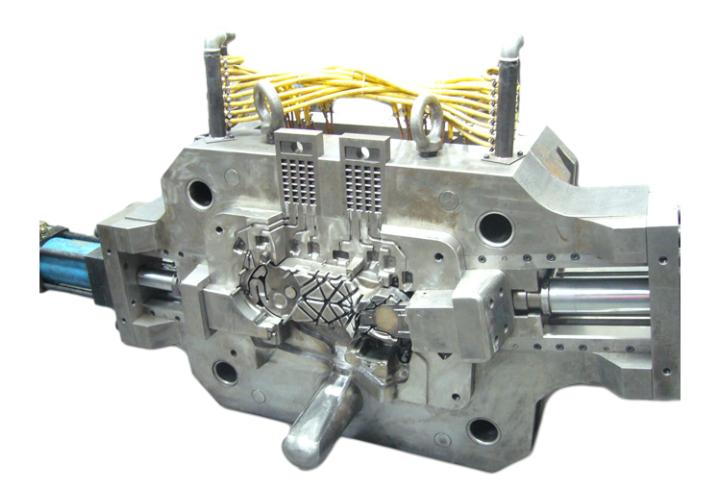
Forging molds come in various forms, including open-die and closed-die molds. Open-die forging allows for the manipulation of larger workpieces and is often used for simpler shapes. In contrast, closed-die forging involves the use of two halves of a mold that encase the metal, allowing for more complex shapes and tighter tolerances. The choice between these types of molds depends on the specific requirements of the project, including the desired shape, material properties, and production volume.
The design and manufacturing of forging molds require a significant level of expertise. Factors such as the thermal properties of the mold material, the intended forging temperature, and the expected wear and tear must all be considered. High-quality materials are essential to ensure longevity and performance, as molds are subject to extreme conditions during the forging process.
In addition to their mechanical benefits, forging molds also contribute to cost efficiency in manufacturing. By streamlining the production of parts, companies can reduce waste and minimize labor costs. The precision achieved through the use of molds leads to less machining required after the forging process, further saving time and resources.
As industries continue to evolve, the demand for high-performance materials and components will only increase. Understanding the role of forging molds is essential for manufacturers looking to stay competitive. By investing in advanced mold technology and innovative forging techniques, businesses can enhance their product offerings and meet the ever-changing needs of their customers.
In conclusion, forging molds are an indispensable aspect of the manufacturing process, providing efficiency, strength, and precision. Their significance extends beyond the production floor, impacting overall product performance and customer satisfaction. By recognizing the importance of forging molds, manufacturers can better appreciate the complexities of metal processing and the benefits that come with it.
forging mold
Previous Page
Previous Page
18
2026-09
Zinc Die Casting Parts: A Premier Cost-Effective Solution for Customized Manufacturing
15
2026-09
The Intricacies of Zinc Alloy Die Casting: A Comprehensive Overview
12
2026-09
The Art of Creating Intricate Designs Through Aluminum Prototype Casting
09
2026-09
Understanding Die Casting Molds: The Backbone of Precision Manufacturing
06
2026-09
Unlocking Potential: The Advantages of Custom Aluminum Casting in Machinery Manufacturing
03
2026-09
The Essential Guide to Zinc Casting in Die-Casting and Forging Molds
31
2026-08
Precision Engineering: The Transformative Role of Zinc Die Casting in Tool Development
GM Diecasting Technology Co.,Limited.
Add:Building 1-5, Chongke Road, Shipai Town, Dongguan City, Guangdong Province
Email:henry@gmdiecastingtech.com
Email:lily@gmdiecastingtech.com
Tel:+8613680864695