



02
2026
-
07
Optimizing Production Processes with Aluminum Alloy Molds: A Comprehensive Guide
Author:
Optimizing Production Processes with Aluminum Alloy Molds
Table of Contents
- 1. Introduction to Aluminum Alloy Molds
- 2. Benefits of Using Aluminum Alloy Molds in Manufacturing
- 3. Applications of Aluminum Alloy Molds in Different Industries
- 4. Key Production Processes for Aluminum Alloy Molds
- 5. Design Considerations for Aluminum Molds
- 6. Techniques for Enhancing Efficiency in Production
- 7. Challenges in Using Aluminum Alloy Molds
- 8. Future Trends in Aluminum Alloy Mold Manufacturing
- 9. Frequently Asked Questions
- 10. Conclusion
1. Introduction to Aluminum Alloy Molds
Aluminum alloy molds have revolutionized the manufacturing industry. They offer an excellent balance between performance and cost-effectiveness, making them a preferred choice for many production processes. **Understanding the properties of aluminum alloys** and their advantages over traditional materials can significantly enhance the efficiency of production lines.
2. Benefits of Using Aluminum Alloy Molds in Manufacturing
The advantages of aluminum alloy molds are numerous:
2.1 Lightweight and Durable
Aluminum molds are considerably lighter than steel or iron molds, allowing for easier handling and reduced wear on machinery. **Their durability** means they can withstand high production rates and harsh manufacturing environments.
2.2 Superior Thermal Conductivity
Aluminum offers excellent thermal conductivity, leading to faster cooling times. This **reduces cycle times**, increasing productivity and efficiency in the manufacturing process.
2.3 Cost-Effectiveness
Although the initial investment in aluminum molds can be higher, their longevity and reduced maintenance costs make them a **cost-effective solution** in the long run.
2.4 Corrosion Resistance
Aluminum's natural resistance to corrosion means that molds maintain their integrity over time, resulting in **consistent product quality**.
3. Applications of Aluminum Alloy Molds in Different Industries
Aluminum alloy molds are utilized across various industries, showcasing their versatility and effectiveness.
3.1 Automotive Industry
In the automotive sector, aluminum molds are used to produce **complex components** with high precision, ensuring that parts fit together seamlessly.
3.2 Electronics Manufacturing
The electronics industry leverages aluminum molds for creating **lightweight and intricate components**, essential for modern devices.
3.3 Consumer Goods
From household items to sports equipment, aluminum molds facilitate the production of a wide range of consumer goods, combining **efficiency with quality**.
3.4 Medical Devices
Precision is crucial in the medical field; thus, aluminum molds are employed to manufacture **sterile and high-quality medical devices**.
4. Key Production Processes for Aluminum Alloy Molds
Implementing effective production processes is essential for maximizing the potential of aluminum alloy molds.
4.1 Mold Fabrication
The **fabrication process** involves the design and manufacturing of the mold. Utilizing CAD software can help create precise mold designs, optimizing for both functionality and ease of use.
4.2 Injection Molding
Injection molding is one of the most common processes for using aluminum molds. This method allows for the **quick and efficient production** of parts by injecting molten material into the mold.
4.3 CNC Machining
CNC machining plays a crucial role in refining aluminum molds. This process ensures that molds are manufactured to exact specifications, enhancing overall **product quality**.
5. Design Considerations for Aluminum Molds
Proper design is critical for the success of aluminum molds.
5.1 Thickness and Weight Distribution
Designing molds with optimal thickness and weight distribution leads to **better heat management** and structural integrity.
5.2 Venting and Flow Optimization
Incorporating appropriate venting and flow channels in mold design facilitates **better material flow** and reduces defects in the final products.
5.3 Surface Finish
The surface finish of the aluminum mold affects the final product's appearance. A well-finished mold ensures **smooth and high-quality outputs**.
6. Techniques for Enhancing Efficiency in Production
To optimize production processes further, consider implementing these techniques:
6.1 Regular Maintenance
Conducting regular maintenance on molds and machinery prevents breakdowns and **ensures consistent performance**.
6.2 Employee Training
Investing in employee training is vital for maximizing productivity. Well-trained staff can operate equipment more effectively, reducing errors and waste.
6.3 Automation
Incorporating automation into production lines can significantly enhance efficiency. Automated systems reduce cycle times and increase the overall **throughput of production**.
7. Challenges in Using Aluminum Alloy Molds
Despite their numerous benefits, aluminum molds present certain challenges, including:
7.1 Wear and Tear
While aluminum molds are durable, they are susceptible to wear over time, particularly in high-volume production environments.
7.2 Initial Cost
The initial investment for aluminum molds can be higher compared to other materials, posing a barrier for some manufacturers.
7.3 Thermal Expansion
Aluminum's thermal expansion must be considered during design and production, as it can **affect mold precision**.
8. Future Trends in Aluminum Alloy Mold Manufacturing
The manufacturing landscape is continuously evolving. Keeping an eye on upcoming trends can help businesses stay competitive.
8.1 3D Printing of Molds
3D printing technology is emerging as a viable option for creating aluminum molds, allowing for **greater customization** and rapid prototyping.
8.2 Sustainable Practices
With increasing emphasis on sustainability, manufacturers are exploring eco-friendly practices in mold production, such as recycling aluminum materials.
8.3 Smart Manufacturing
The integration of IoT and AI in manufacturing processes is gaining traction, enabling more efficient and responsive production lines.
9. Frequently Asked Questions
What are the primary advantages of aluminum alloy molds over steel molds?
Aluminum molds are lighter, offer better thermal conductivity, and are generally more cost-effective in the long run.
How can I improve the lifespan of my aluminum molds?
Regular maintenance, proper handling, and careful design considerations all contribute to enhancing the lifespan of aluminum molds.
Are aluminum molds suitable for high-volume production?
Yes, aluminum molds can handle high-volume production efficiently, particularly due to their rapid cooling properties.
What industries can benefit from aluminum alloy molds?
Industries such as automotive, electronics, consumer goods, and medical devices can all benefit from the use of aluminum alloy molds.
How does the cost of aluminum molds compare to other materials?
While the initial cost may be higher for aluminum molds, their durability and reduced maintenance needs often make them more cost-effective over time.
10. Conclusion
Optimizing production processes with aluminum alloy molds offers numerous advantages that can significantly enhance manufacturing efficiency and product quality. By understanding the benefits, applications, design considerations, and techniques for efficiency, manufacturers can leverage aluminum molds to stay competitive in an ever-evolving industry. Investing in aluminum alloy molds not only leads to superior production outcomes but also positions businesses for future growth and innovation.
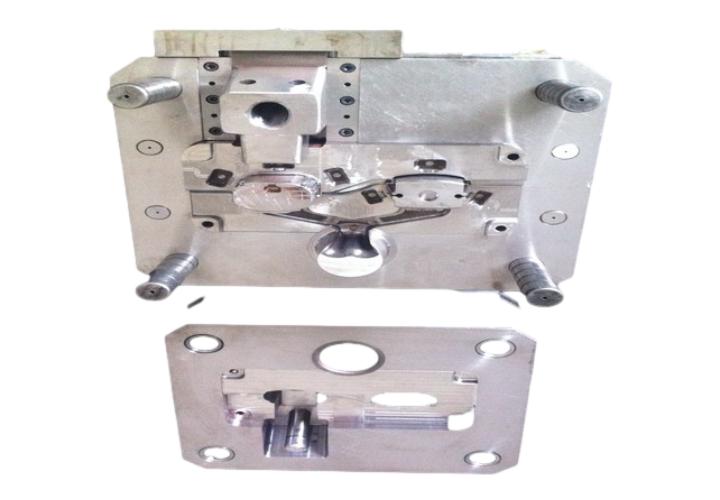
Aluminum alloy mold
09
2026-11
Optimizing Performance: The Essential Guide to Zinc Casting for Die Casting Tools
21
2026-10
Understanding Zinc Die Casting: A Comprehensive Guide for Manufacturing Professionals
18
2026-10
Empowering Manufacturers: The Benefits of Die Casting Machines
15
2026-10
Understanding Aluminum Die Casting: A Key Process in Metal Manufacturing
12
2026-10
Aluminum Alloy Mold Maintenance: Best Practices and Tips for Longevity
09
2026-10
Understanding Zinc Alloy Molds: A Key Component in Precision Manufacturing
06
2026-10
Innovative Uses of Zinc Alloy in Sustainable Energy Solutions
GM Diecasting Technology Co.,Limited.
Add:Building 1-5, Chongke Road, Shipai Town, Dongguan City, Guangdong Province
Email:henry@gmdiecastingtech.com
Email:lily@gmdiecastingtech.com
Tel:+8613680864695