



05
2026
-
07
The Essential Guide to Aluminum Die Casting: Techniques and Benefits
Author:
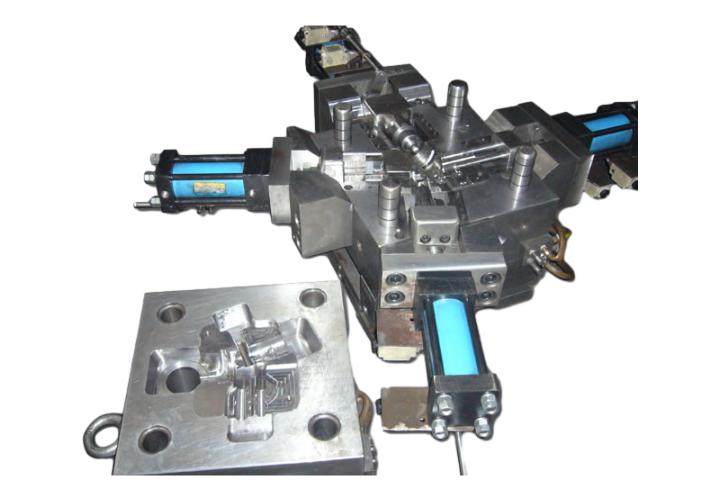
One of the primary techniques used in aluminum die casting is the pressure die casting method. In this process, molten aluminum is injected into a mold at high pressure, which allows for better flow and more detailed part formation. This method is particularly beneficial for creating intricate geometries that would be challenging to achieve with traditional machining processes. Additionally, precision die casting is known for its speed; once the molds are created, the production of parts can be achieved rapidly, making it ideal for large-scale manufacturing.
The benefits of aluminum die casting are manifold. First and foremost, this process offers excellent mechanical properties, including high strength-to-weight ratios, which makes aluminum die-cast products suitable for various applications, particularly in the automotive and aerospace sectors. Furthermore, aluminum's natural resistance to corrosion enhances the durability of the parts produced, leading to longer service life and reduced maintenance costs.
Another significant advantage of aluminum die casting is the reduction of material waste. The process is highly efficient, allowing for the recycling of excess aluminum and minimizing the environmental impact. This eco-friendliness is increasingly important in today's manufacturing landscape, where sustainability is a priority for many companies.
In terms of applications, aluminum die casting is prevalent in various industries, ranging from automotive components such as engine blocks and transmission cases to electronic housings and consumer goods. Its ability to produce lightweight and robust components makes it a preferred choice for manufacturers looking to improve performance while reducing weight.
Moreover, advancements in technology have led to the development of improved die casting techniques, such as thin wall die casting, which allows for the production of ultra-thin sections without compromising strength. This innovation opens new possibilities for industries requiring lightweight components with complex designs.
In conclusion, aluminum die casting is a sophisticated manufacturing process that provides numerous benefits, including speed, precision, and cost-effectiveness. Its versatility and suitability for a wide range of applications make it an essential technique in the manufacturing and machining industry. By understanding the techniques and advantages of aluminum die casting, manufacturers can better leverage this technology to meet the demands of modern production and design.
aluminum die casting
12
2026-11
Understanding Custom Aluminum Casting: A Key Process in Metal Manufacturing
09
2026-11
Optimizing Performance: The Essential Guide to Zinc Casting for Die Casting Tools
21
2026-10
Understanding Zinc Die Casting: A Comprehensive Guide for Manufacturing Professionals
18
2026-10
Empowering Manufacturers: The Benefits of Die Casting Machines
15
2026-10
Understanding Aluminum Die Casting: A Key Process in Metal Manufacturing
12
2026-10
Aluminum Alloy Mold Maintenance: Best Practices and Tips for Longevity
09
2026-10
Understanding Zinc Alloy Molds: A Key Component in Precision Manufacturing
GM Diecasting Technology Co.,Limited.
Add:Building 1-5, Chongke Road, Shipai Town, Dongguan City, Guangdong Province
Email:henry@gmdiecastingtech.com
Email:lily@gmdiecastingtech.com
Tel:+8613680864695