
16

2026

-

08

Understanding Zinc Alloys: Properties, Applications, and Benefits

Author:


Zinc alloys are a group of metallic compounds that primarily consist of zinc, often combined with other metals such as aluminum, copper, and magnesium. These alloys are known for their excellent corrosion resistance, high strength-to-weight ratio, and good casting properties, making them ideal for a wide array of industrial applications.
One of the most significant advantages of zinc alloys is their ability to resist corrosion. This property is particularly important in industries where components are exposed to harsh environmental conditions. The presence of zinc not only enhances the durability of the alloy but also provides a protective layer that slows down the oxidation process. This makes zinc alloys an ideal choice for automotive, marine, and construction applications.
In addition to corrosion resistance, zinc alloys exhibit good mechanical properties. They can be easily machined and fabricated, allowing for the production of intricate components with precision. This versatility in manufacturing processes enables the use of zinc alloys in various applications, ranging from die-casting to extrusions. The low melting point of zinc alloys further facilitates ease of casting, which is a critical factor in mass production.
Zinc alloys are widely used in the automotive industry, where components such as die-cast parts, fittings, and housings benefit from the alloy's combination of strength and lightweight characteristics. In the electronics industry, zinc alloys are utilized for connectors and housings, providing both mechanical strength and corrosion protection. Furthermore, these alloys are commonly used in the manufacturing of hardware, such as locks and latches, where reliability and durability are essential.
The increasing focus on sustainability and environmental responsibility in manufacturing processes has also led to the growing popularity of zinc alloys. Due to their recyclability and lower energy consumption during production compared to other metals, zinc alloys align well with modern manufacturing goals aimed at reducing environmental impact.
In conclusion, zinc alloys are crucial materials in the metallurgical and energy sectors, offering superior properties that cater to a variety of industrial applications. Their corrosion resistance, mechanical strength, and ease of manufacturing make them a preferred choice for many engineers and manufacturers. Understanding the benefits and applications of zinc alloys can help professionals make informed decisions when selecting materials for their projects.

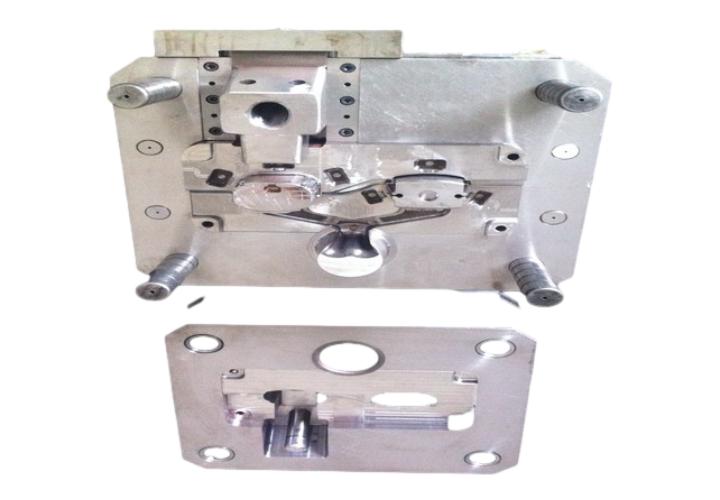
zinc alloy
12

2026-11

Understanding Custom Aluminum Casting: A Key Process in Metal Manufacturing

Custom aluminum casting is a manufacturing technique that involves pouring molten aluminum into a mold to create parts with specific shapes and dimensions. This method is particularly advantageous for producing complex geometries that would be challenging to achieve through traditional machining methods. In the context of mechanical processing and hardware manufacturing, custom aluminum casting en

09

2026-11

Optimizing Performance: The Essential Guide to Zinc Casting for Die Casting Tools

Optimizing Performance: The Essential Guide to Zinc Casting for Die Casting Tools Table of Contents 1. Introduction to Zinc Casting in Die Casting Tools 2. Benefits of Zinc Casting for Die Casting Tools 3. The Zinc Casting Process Explained 4. Common Applications of Zinc Casting in Die Casting 5. Challenges in Zinc Casting and How to Overcome Them 6. Tips for Optimizin

21

2026-10

Understanding Zinc Die Casting: A Comprehensive Guide for Manufacturing Professionals

Zinc die casting is a metal casting process that involves forcing molten zinc alloy into a mold cavity under high pressure. This technique is particularly valued in manufacturing due to its ability to create intricate and precise geometries, making it ideal for various applications across multiple industries. One of the primary advantages of zinc die casting is its ability to produce parts with ex

18

2026-10

Empowering Manufacturers: The Benefits of Die Casting Machines

Empowering Manufacturers: The Benefits of Die Casting Machines Manufacturing has come a long way, and in this journey, die casting machines have emerged as a cornerstone for efficiency, precision, and adaptability. The die casting process is widely used in various industries, providing solutions that significantly enhance production capabilities. This extensive article delves into the myriad benef

15

2026-10

Understanding Aluminum Die Casting: A Key Process in Metal Manufacturing

Aluminum die casting is a highly efficient manufacturing process used to produce complex and precise metal parts. This technique involves forcing molten aluminum into a mold under high pressure. The result is a product that exhibits excellent dimensional accuracy, surface finish, and mechanical properties. As such, aluminum die casting stands out as a preferred method for producing components in v

12

2026-10

Aluminum Alloy Mold Maintenance: Best Practices and Tips for Longevity

Aluminum Alloy Mold Maintenance: Best Practices and Tips for Longevity Table of Contents Understanding Aluminum Alloy Molds The Importance of Mold Maintenance Best Practices for Aluminum Alloy Mold Maintenance Cleaning Procedures Lubrication Techniques Inspecting for Damage Effective Storage Tips for Aluminum Alloy Molds Tr

09

2026-10

Understanding Zinc Alloy Molds: A Key Component in Precision Manufacturing

Zinc alloy molds are increasingly significant in the realm of precision manufacturing, particularly within the mechanical hardware processing and mold fabrication sectors. These molds are crafted from zinc alloys, which are known for their excellent properties such as durability, resistance to corrosion, and good thermal conductivity. The combination of these characteristics makes zinc alloy molds

06

2026-10

Innovative Uses of Zinc Alloy in Sustainable Energy Solutions

Innovative Uses of Zinc Alloy in Sustainable Energy Solutions Introduction to Zinc Alloy and Its Importance Zinc alloy, a blend of zinc with other metals such as aluminum, copper, and magnesium, has garnered significant attention in various industries due to its superior properties. Its lightweight nature, corrosion resistance, and excellent mechanical strength make it an ideal choice for applicat