



19
2026
-
08
Mastering Precision Production with Zinc Alloy Molding: Unleashing the Power of Advanced Manufacturing Techniques
Author:
Mastering Precision Production with Zinc Alloy Molding
Table of Contents
- 1. Introduction to Zinc Alloy Molding
- 2. What is Zinc Alloy?
- 3. Benefits of Zinc Alloy Molding in Manufacturing
- 4. Applications of Zinc Alloy Molding
- 5. The Zinc Alloy Molding Process Explained
- 6. Best Practices for Successful Zinc Alloy Molding
- 7. Common Challenges in Zinc Alloy Molding
- 8. The Future of Zinc Alloy Molding in Precision Production
- 9. Frequently Asked Questions
- 10. Conclusion
1. Introduction to Zinc Alloy Molding
The manufacturing industry has continuously evolved, adopting advanced technologies and materials to meet the increasing demand for precision and efficiency. One such advancement is **zinc alloy molding**, a process that has gained significant traction due to its numerous advantages. This article explores the intricacies of zinc alloy molding, its benefits, applications, and best practices, providing a comprehensive understanding of how this technique can revolutionize precision production.
2. What is Zinc Alloy?
Zinc alloys are metallic mixtures predominantly composed of zinc, often combined with other metals such as aluminum, copper, and magnesium. These alloys exhibit excellent mechanical properties, corrosion resistance, and ease of processing, making them ideal for a wide range of applications in various industries.
Understanding Zinc Alloy Composition
The composition of zinc alloys can vary significantly, impacting their properties and suitability for specific applications. Common zinc alloys include:
- **Zinc-Aluminum Alloys**: Known for their excellent castability and corrosion resistance.
- **Zinc-Copper Alloys**: Offer higher strength and hardness.
- **Zinc-Magnesium Alloys**: Provide improved ductility and toughness.
3. Benefits of Zinc Alloy Molding in Manufacturing
Zinc alloy molding offers several compelling advantages that make it a preferred choice for precision manufacturing:
Enhanced Durability and Strength
Components produced through zinc alloy molding demonstrate **exceptional durability**, allowing them to withstand demanding environmental conditions without significant wear or deformation.
Corrosion Resistance
Zinc alloys naturally resist corrosion, making them suitable for outdoor and high-humidity applications. This property enhances product longevity and reduces maintenance costs.
Cost-Effectiveness
The zinc alloy molding process is efficient, requiring less material compared to traditional methods. This efficiency translates into lower production costs and optimized resource utilization.
Rapid Production Cycles
Zinc alloy molding enables quick turnaround times, allowing for rapid prototyping and mass production without compromising quality.
Design Flexibility
The malleability of zinc alloys allows for intricate designs and detailed features, catering to diverse manufacturing needs.
4. Applications of Zinc Alloy Molding
Zinc alloy molding is utilized across various industries, demonstrating its versatility and applicability. Some of the most common sectors include:
Aerospace
In aerospace manufacturing, zinc alloy components are favored for their lightweight properties and high strength-to-weight ratio, contributing to fuel efficiency and performance.
Automotive
The automotive industry employs zinc alloy molding for producing intricate parts such as engine components, transmission housings, and decorative trims, where precision and durability are critical.
Electronics
Zinc alloys are used in electronic housings and connectors due to their excellent conductivity and resistance to corrosion, ensuring reliable performance in electronic devices.
Medical Devices
The medical field benefits from zinc alloy molding, with applications in surgical instruments and medical devices that require biocompatibility and precision engineering.
5. The Zinc Alloy Molding Process Explained
Understanding the zinc alloy molding process is crucial for manufacturers seeking to implement this technique effectively. Here’s a step-by-step breakdown:
Step 1: Material Preparation
The process begins with preparing the zinc alloy material, which is melted and alloyed to achieve the desired properties.
Step 2: Mold Design and Creation
Engineers design molds that cater to specific product requirements, ensuring they can withstand the high temperatures and pressures during the molding process.
Step 3: Injection Molding
Once the mold is prepared, molten zinc alloy is injected into the mold cavity under high pressure. This step is critical to achieving the desired shape and dimensions.
Step 4: Cooling and Solidification
After injection, the molten alloy cools and solidifies within the mold. The cooling time varies depending on the complexity and thickness of the component.
Step 5: Finishing Processes
Once solidified, the molded parts undergo finishing processes such as trimming, machining, and surface treatment to achieve optimal quality and performance.
6. Best Practices for Successful Zinc Alloy Molding
To ensure successful zinc alloy molding, manufacturers should adhere to the following best practices:
1. Optimize Mold Design
Invest in advanced mold design techniques to enhance precision and durability. Properly designed molds minimize defects and improve production efficiency.
2. Control Injection Parameters
Maintaining consistent temperature and pressure during injection is crucial for achieving uniformity in the molded parts.
3. Conduct Regular Maintenance
Implement routine maintenance schedules for molds and machinery to prevent downtime and ensure consistent production quality.
4. Utilize Quality Raw Materials
Source high-quality zinc alloy materials to ensure the integrity and performance of the final products.
5. Implement Quality Control Measures
Establish robust quality control protocols to monitor every stage of the production process, from material preparation to final inspection.
7. Common Challenges in Zinc Alloy Molding
While zinc alloy molding presents numerous advantages, manufacturers may encounter several challenges:
Defect Formation
Defects such as air pockets, surface imperfections, and dimensional inaccuracies can arise during the molding process. Regular monitoring and adjustments are necessary to mitigate these issues.
Material Cost Fluctuations
The cost of raw materials can fluctuate, impacting overall production expenses. Manufacturers must develop strategies to manage material costs effectively.
Machining Requirements
Although zinc alloy molding produces intricate designs, additional machining may be required for achieving precise tolerances. This can add time and costs to the production process.
8. The Future of Zinc Alloy Molding in Precision Production
The future of zinc alloy molding looks promising as advancements in technology continue to shape the manufacturing landscape. Innovations in mold design, automation, and materials science will drive increased efficiency and product quality, further establishing zinc alloy molding as a cornerstone of precision production.
9. Frequently Asked Questions
1. What industries benefit the most from zinc alloy molding?
Zinc alloy molding is widely utilized in industries such as aerospace, automotive, electronics, and medical devices, where precision and durability are crucial.
2. How does zinc alloy compare to other materials?
Zinc alloys offer superior corrosion resistance, mechanical strength, and cost-effectiveness compared to materials like aluminum and plastic, making them an excellent choice for many applications.
3. Can zinc alloy parts be recycled?
Yes, zinc alloys are highly recyclable, contributing to sustainable manufacturing practices and reducing environmental impact.
4. What is the typical lead time for zinc alloy molded parts?
Lead times can vary based on complexity and volume, but zinc alloy molding usually allows for rapid production cycles, often within a few weeks.
5. Are there any safety concerns with zinc alloy materials?
Zinc alloys are generally safe for various applications, including medical devices. However, it’s crucial to ensure compliance with relevant safety standards and regulations.
10. Conclusion
Mastering precision production with zinc alloy molding offers manufacturers a pathway to achieve outstanding quality, efficiency, and cost-effectiveness. By understanding the intricacies of the molding process and adhering to best practices, companies can harness the full potential of zinc alloys. As technology continues to advance, the opportunities for innovation in zinc alloy molding will only expand, solidifying its role as a key player in the future of manufacturing. Embracing these techniques will empower businesses to meet the evolving demands of the market while delivering superior products that stand the test of time.
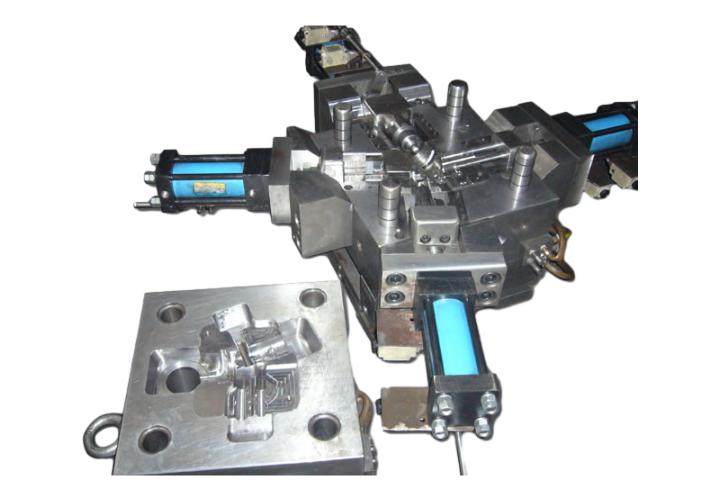
Zinc alloy mold
12
2026-11
Understanding Custom Aluminum Casting: A Key Process in Metal Manufacturing
09
2026-11
Optimizing Performance: The Essential Guide to Zinc Casting for Die Casting Tools
21
2026-10
Understanding Zinc Die Casting: A Comprehensive Guide for Manufacturing Professionals
18
2026-10
Empowering Manufacturers: The Benefits of Die Casting Machines
15
2026-10
Understanding Aluminum Die Casting: A Key Process in Metal Manufacturing
12
2026-10
Aluminum Alloy Mold Maintenance: Best Practices and Tips for Longevity
09
2026-10
Understanding Zinc Alloy Molds: A Key Component in Precision Manufacturing
GM Diecasting Technology Co.,Limited.
Add:Building 1-5, Chongke Road, Shipai Town, Dongguan City, Guangdong Province
Email:henry@gmdiecastingtech.com
Email:lily@gmdiecastingtech.com
Tel:+8613680864695