



26
2024
-
06
Aluminum Die Casting: A Sustainable Manufacturing Solution
Author:
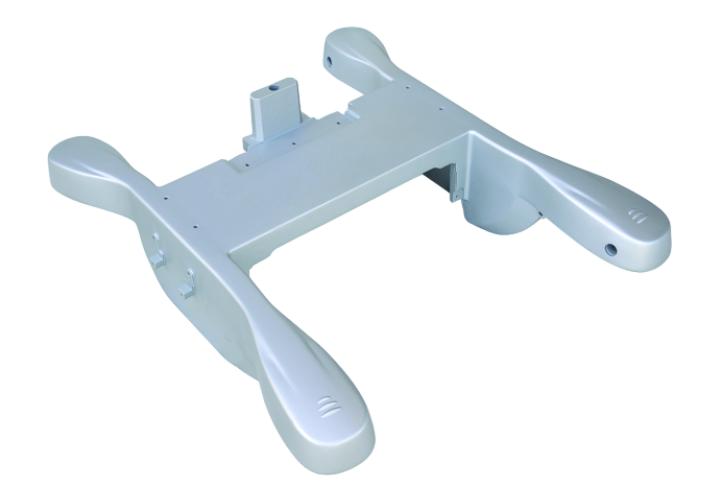
Aluminum die casting is a widely popular manufacturing process in the industry of mold processing machinery. It involves the use of high-pressure to force molten aluminum into a mold cavity to create intricate and complex shapes. This article will delve into the sustainable aspects of aluminum die casting and how it provides a green solution for manufacturers.
**The Benefits of Aluminum Die Casting**
Aluminum die casting offers numerous benefits that make it a sustainable manufacturing solution. Firstly, aluminum is a highly recyclable material, making it an eco-friendly choice for manufacturers looking to reduce their carbon footprint. Additionally, the process of die casting requires less energy compared to other manufacturing methods, resulting in lower greenhouse gas emissions.
**The Efficiency of Aluminum Die Casting**
One of the key advantages of aluminum die casting is its efficiency in producing high-quality parts at a rapid pace. The use of reusable molds allows for quick production cycles, reducing lead times and increasing overall productivity. This makes aluminum die casting an ideal choice for industries with high-volume production needs.
**The Durability of Aluminum Die Cast Parts**
Aluminum die cast parts are known for their durability and strength. The material properties of aluminum make it highly resistant to corrosion and wear, ensuring that parts have a long lifespan and require minimal maintenance. This durability translates to cost savings for manufacturers in the long run.
**The Environmental Impact of Aluminum Die Casting**
In today's environmentally conscious world, sustainability is a key consideration for manufacturers. Aluminum die casting offers a sustainable solution by reducing waste and energy consumption. The recyclability of aluminum also plays a crucial role in minimizing the environmental impact of manufacturing processes.
**The Future of Aluminum Die Casting**
As the demand for sustainable manufacturing solutions continues to grow, aluminum die casting is poised to play a significant role in shaping the future of the industry. With its eco-friendly properties and cost-effective production capabilities, aluminum die casting is a promising technology that is set to revolutionize the way manufacturers produce parts.
**FAQs**
1. What is aluminum die casting?
2. How does aluminum die casting benefit the environment?
3. What industries can benefit from aluminum die casting?
4. Is aluminum die casting cost-effective for manufacturers?
5. How can manufacturers implement aluminum die casting in their production processes?
**Conclusion**
In conclusion, aluminum die casting is a sustainable manufacturing solution that offers a range of benefits for manufacturers looking to reduce their environmental impact and improve efficiency. By embracing this innovative technology, industries can achieve cost savings, increase productivity, and contribute to a greener future. Aluminum die casting is not just a manufacturing process; it's a step towards a more sustainable and eco-friendly industry.
aluminum die casting
30
2026-09
The Art of Crafting Durable Aluminum Casts for Industrial Applications
27
2026-09
The Essential Guide to Die Casting: Techniques, Applications, and Benefits
24
2026-09
How to Stay Ahead in Mold Forging: Insights for Manufacturers
21
2026-09
The Essential Guide to Forging Molds: Understanding Their Importance in Manufacturing
18
2026-09
Zinc Die Casting Parts: A Premier Cost-Effective Solution for Customized Manufacturing
15
2026-09
The Intricacies of Zinc Alloy Die Casting: A Comprehensive Overview
12
2026-09
The Art of Creating Intricate Designs Through Aluminum Prototype Casting
GM Diecasting Technology Co.,Limited.
Add:Building 1-5, Chongke Road, Shipai Town, Dongguan City, Guangdong Province
Email:henry@gmdiecastingtech.com
Email:lily@gmdiecastingtech.com
Tel:+8613680864695