



24
2024
-
07
Elevating Design Standards with Zinc Alloy Mold Applications
Author:
In today's rapidly evolving manufacturing industry, staying ahead of the competition requires innovative solutions that can elevate design standards and improve efficiency. One such solution that has been gaining popularity is the use of zinc alloy molds. In this article, we will explore the numerous benefits and advantages of using zinc alloy molds in manufacturing processes, and how they can help businesses achieve higher design standards.
**What is Zinc Alloy Mold?**
Zinc alloy mold is a type of mold made from zinc alloy, a versatile and durable material that is known for its excellent casting properties. Zinc alloy molds are used in a variety of industries, including automotive, electronics, and consumer goods, to create high-quality and intricate parts with precision and accuracy.
**Benefits of Zinc Alloy Mold Applications**
1. **High Precision**: Zinc alloy molds offer excellent dimensional accuracy and high precision, making them ideal for creating complex and intricate parts.
2. **Cost-Effective**: Compared to other mold materials, zinc alloy molds are more cost-effective and offer significant savings in production costs.
3. **Durability**: Zinc alloy molds are highly durable and can withstand high temperatures and pressures, ensuring long-lasting performance.
4. **Surface Finish**: Zinc alloy molds provide superior surface finish and can produce parts with smooth and flawless surfaces.
**Advantages of Using Zinc Alloy Molds**
1. **Faster Production**: Zinc alloy molds have a fast cooling rate, which results in quicker production cycles and increased productivity.
2. **Versatility**: Zinc alloy molds can be used for a wide range of applications, from small intricate parts to large components.
3. **Environmental Friendly**: Zinc alloy molds are recyclable and environmentally friendly, making them a sustainable choice for manufacturers.
4. **Design Flexibility**: Zinc alloy molds allow for intricate and complex designs, giving designers more freedom and flexibility in their creations.
**Applications of Zinc Alloy Mold**
Zinc alloy molds are used in a variety of industries for different applications, including:
1. **Automotive**: Zinc alloy molds are used to create parts for automotive engines, transmissions, and chassis components.
2. **Electronics**: Zinc alloy molds are used to manufacture electronic components, such as connectors, switches, and housings.
3. **Consumer Goods**: Zinc alloy molds are used to produce consumer goods, such as jewelry, accessories, and household items.
**FAQs**
1. **What is the melting point of zinc alloy?**
The melting point of zinc alloy is approximately 419 degrees Celsius.
2. **Can zinc alloy molds be used for high-volume production?**
Yes, zinc alloy molds are suitable for high-volume production due to their fast cooling rate and durability.
3. **Are zinc alloy molds recyclable?**
Yes, zinc alloy molds are recyclable and can be reused multiple times.
4. **How does the surface finish of parts compare when using zinc alloy molds?**
Parts produced with zinc alloy molds have a superior surface finish compared to other mold materials.
5. **What are the design limitations of zinc alloy molds?**
Zinc alloy molds have few design limitations and can accommodate complex and intricate designs.
**Conclusion**
In conclusion, zinc alloy mold applications offer numerous benefits and advantages for manufacturers looking to elevate their design standards and improve efficiency. From high precision and cost-effectiveness to durability and design flexibility, zinc alloy molds are a versatile and sustainable choice for a wide range of industries. By incorporating zinc alloy molds into manufacturing processes, businesses can achieve higher design standards and stay competitive in today's dynamic market.
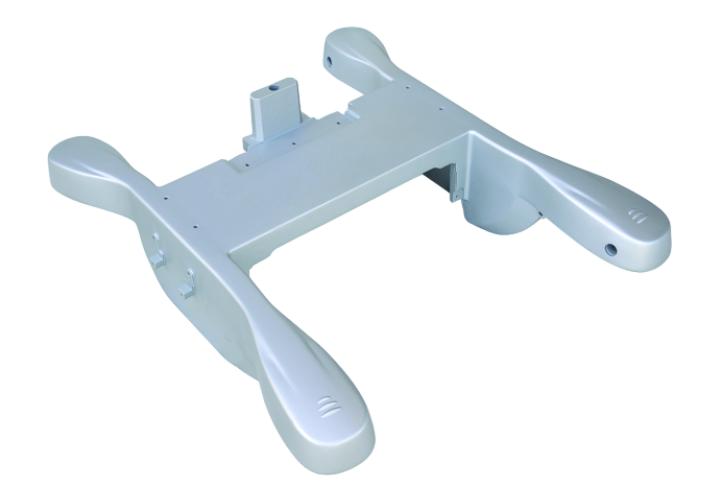
Zinc alloy mold
30
2026-09
The Art of Crafting Durable Aluminum Casts for Industrial Applications
27
2026-09
The Essential Guide to Die Casting: Techniques, Applications, and Benefits
24
2026-09
How to Stay Ahead in Mold Forging: Insights for Manufacturers
21
2026-09
The Essential Guide to Forging Molds: Understanding Their Importance in Manufacturing
18
2026-09
Zinc Die Casting Parts: A Premier Cost-Effective Solution for Customized Manufacturing
15
2026-09
The Intricacies of Zinc Alloy Die Casting: A Comprehensive Overview
12
2026-09
The Art of Creating Intricate Designs Through Aluminum Prototype Casting
GM Diecasting Technology Co.,Limited.
Add:Building 1-5, Chongke Road, Shipai Town, Dongguan City, Guangdong Province
Email:henry@gmdiecastingtech.com
Email:lily@gmdiecastingtech.com
Tel:+8613680864695