



03
2024
-
06
Elevating Precision: The Role of Zinc Die Casting in Forging Molds
Author:
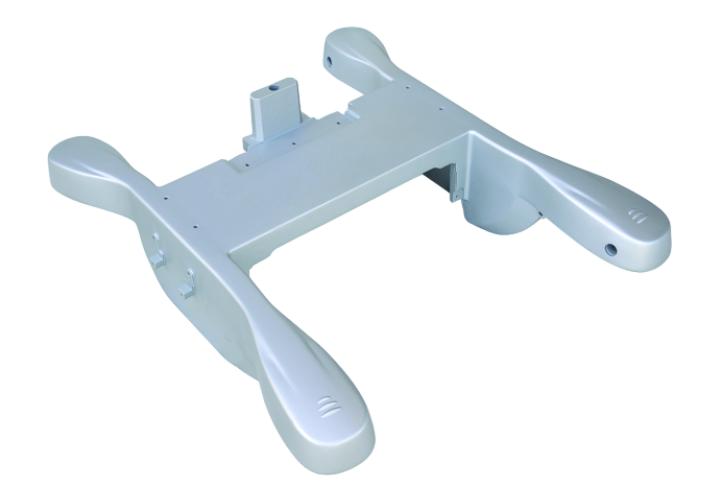
In the world of manufacturing, precision is key. Every component, every part must be crafted with the utmost accuracy to ensure the final product meets the highest standards. When it comes to forging molds, the role of zinc die casting cannot be understated. In this article, we will explore how zinc die casting elevates precision in the manufacturing of forging molds, providing unparalleled quality and durability.
## The Basics of Forging Molds
Forging molds are essential tools in the manufacturing industry, used to shape molten metal into the desired form. These molds must be able to withstand high temperatures and pressures, while also maintaining precise dimensions and surface finish. The quality of the forging mold directly impacts the final product, making precision in their construction crucial.
### Why Precision Matters
Precision is essential in forging molds because even the slightest deviation can lead to defects in the final product. Poorly constructed molds can result in inaccuracies, inconsistencies, and even structural weaknesses in the forged parts. By utilizing zinc die casting, manufacturers can ensure that their forging molds meet the highest standards of accuracy and reliability.
#### The Advantages of Zinc Die Casting
Zinc die casting offers a range of advantages that make it an ideal choice for manufacturing forging molds. Zinc is known for its excellent dimensional stability, high strength, and corrosion resistance, making it well-suited for applications that require precision and durability. Additionally, zinc die casting allows for complex shapes and intricate details to be easily replicated, ensuring that forging molds are crafted with the utmost precision.
##### Enhancing Efficiency and Quality
By using zinc die casting in the manufacturing of forging molds, manufacturers can streamline the production process and improve overall efficiency. The high flow properties of zinc allow for rapid filling of complex mold cavities, reducing cycle times and increasing output. This, in turn, leads to cost savings and higher quality products, ultimately benefiting both manufacturers and consumers.
###### Meeting Industry Standards
In the competitive world of manufacturing, meeting industry standards is crucial for success. Zinc die casting enables manufacturers to meet and exceed industry requirements for precision, strength, and durability. By investing in high-quality forging molds made with zinc die casting, manufacturers can differentiate themselves in the market and gain a competitive edge.
### FAQs
1. What is the role of zinc die casting in forging molds?
Zinc die casting plays a vital role in providing precision and durability in the manufacturing of forging molds.
2. Why is precision important in forging molds?
Precision is crucial in forging molds to ensure the final product meets the highest standards of quality and reliability.
3. What are the advantages of zinc die casting for forging molds?
Zinc die casting offers excellent dimensional stability, high strength, and corrosion resistance, making it an ideal choice for manufacturing precision components.
4. How does zinc die casting enhance efficiency and quality?
Zinc die casting allows for rapid filling of complex mold cavities, reducing cycle times and improving overall production efficiency.
5. How does zinc die casting help manufacturers meet industry standards?
By utilizing zinc die casting, manufacturers can meet and exceed industry requirements for precision, strength, and durability, giving them a competitive edge in the market.
## Conclusion
In conclusion, zinc die casting plays a crucial role in elevating precision in the manufacturing of forging molds. By harnessing the unique properties of zinc, manufacturers can create high-quality molds that meet the highest standards of accuracy and durability. Investing in zinc die casting for forging molds not only enhances efficiency and quality but also helps manufacturers differentiate themselves in the competitive manufacturing industry. With its unmatched precision and durability, zinc die casting continues to be a preferred choice for forging mold production, setting the standard for excellence in manufacturing.
zinc die casting
30
2026-09
The Art of Crafting Durable Aluminum Casts for Industrial Applications
27
2026-09
The Essential Guide to Die Casting: Techniques, Applications, and Benefits
24
2026-09
How to Stay Ahead in Mold Forging: Insights for Manufacturers
21
2026-09
The Essential Guide to Forging Molds: Understanding Their Importance in Manufacturing
18
2026-09
Zinc Die Casting Parts: A Premier Cost-Effective Solution for Customized Manufacturing
15
2026-09
The Intricacies of Zinc Alloy Die Casting: A Comprehensive Overview
12
2026-09
The Art of Creating Intricate Designs Through Aluminum Prototype Casting
GM Diecasting Technology Co.,Limited.
Add:Building 1-5, Chongke Road, Shipai Town, Dongguan City, Guangdong Province
Email:henry@gmdiecastingtech.com
Email:lily@gmdiecastingtech.com
Tel:+8613680864695