
24

2024

-

04

Everything You Need to Know About Zinc Casting in Manufacturing Machinery Molds

Author:


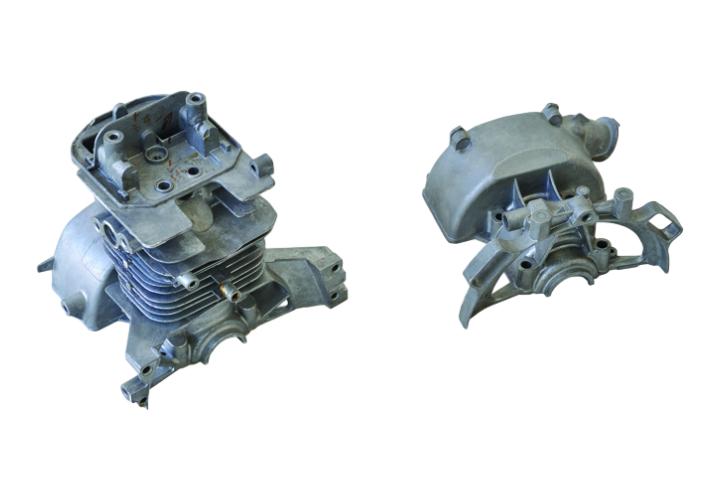
Zinc casting is a popular method in the manufacturing industry, especially in the production of machinery molds for forging and die-casting. This process involves the use of zinc as the primary material for creating intricate and detailed molds that are essential for the production of various industrial components.
One of the key advantages of zinc casting in machinery molds is its cost-effectiveness. Zinc is a relatively inexpensive material compared to other metals, making it an attractive option for manufacturers looking to reduce production costs. Additionally, zinc offers excellent dimensional stability, high strength, and corrosion resistance, making it a durable choice for creating long-lasting molds.
The process of zinc casting involves melting the zinc alloy at high temperatures and then injecting it into a mold cavity to form the desired shape. This method allows for the creation of complex and intricate molds with high precision and accuracy. Furthermore, zinc casting is known for its rapid solidification, which results in shorter production cycles and faster turnaround times.
In the realm of forging molds, zinc casting is widely used to create durable and reliable molds that can withstand high temperatures and pressures during the forging process. The high strength and thermal conductivity of zinc make it an ideal material for producing forging molds that can withstand the rigors of heavy-duty manufacturing operations.
Similarly, in the field of die-casting molds, zinc casting is preferred for its ability to produce molds with fine details and smooth surface finishes. Die-casting molds made from zinc are highly resistant to wear and abrasion, ensuring consistent and high-quality outputs in mass production settings.
In conclusion, zinc casting plays a crucial role in the manufacturing of machinery molds for forging and die-casting applications. Its cost-effectiveness, durability, and precision make it a valuable choice for manufacturers seeking high-quality molds for their production processes. By understanding the benefits and applications of zinc casting, manufacturers can make informed decisions to enhance the efficiency and performance of their machinery molds.

zinc casting
21

2026-11

Unveiling the Secrets of Zinc Alloy Die Casting in Enhancing Die Mold Durability

Unveiling the Secrets of Zinc Alloy Die Casting in Enhancing Die Mold Durability Table of Contents 1. Introduction to Zinc Alloy Die Casting 2. Understanding Zinc Alloy Properties 3. Benefits of Zinc Alloy Die Casting 4. The Importance of Die Mold Durability 5. Enhancing Die Mold Durability with Zinc Alloys 6. Advanced Die Casting Techniques 7. Real-World Applications

18

2026-11

Understanding Prototype Aluminum Casting: A Key to Efficient Manufacturing

Prototype aluminum casting is a vital component in the development of various mechanical parts and components used in many industries. This process allows engineers and designers to create initial models or prototypes of their designs, enabling them to test functionality, refine specifications, and optimize designs before full-scale production begins. The advantages of using aluminum for prototypi

15

2026-11

Unleashing the Potential of Die Casting Mold in Modern Production

Unleashing the Potential of Die Casting Mold in Modern Production Table of Contents Introduction to Die Casting Molds What is Die Casting? Benefits of Die Casting Molds in Manufacturing Applications of Die Casting Molds in Various Industries Die Casting in the Automotive Industry Die Casting in the Aerospace Industry Die Casting in the

12

2026-11

Understanding Custom Aluminum Casting: A Key Process in Metal Manufacturing

Custom aluminum casting is a manufacturing technique that involves pouring molten aluminum into a mold to create parts with specific shapes and dimensions. This method is particularly advantageous for producing complex geometries that would be challenging to achieve through traditional machining methods. In the context of mechanical processing and hardware manufacturing, custom aluminum casting en

09

2026-11

Optimizing Performance: The Essential Guide to Zinc Casting for Die Casting Tools

Optimizing Performance: The Essential Guide to Zinc Casting for Die Casting Tools Table of Contents 1. Introduction to Zinc Casting in Die Casting Tools 2. Benefits of Zinc Casting for Die Casting Tools 3. The Zinc Casting Process Explained 4. Common Applications of Zinc Casting in Die Casting 5. Challenges in Zinc Casting and How to Overcome Them 6. Tips for Optimizin

21

2026-10

Understanding Zinc Die Casting: A Comprehensive Guide for Manufacturing Professionals

Zinc die casting is a metal casting process that involves forcing molten zinc alloy into a mold cavity under high pressure. This technique is particularly valued in manufacturing due to its ability to create intricate and precise geometries, making it ideal for various applications across multiple industries. One of the primary advantages of zinc die casting is its ability to produce parts with ex

18

2026-10

Empowering Manufacturers: The Benefits of Die Casting Machines

Empowering Manufacturers: The Benefits of Die Casting Machines Manufacturing has come a long way, and in this journey, die casting machines have emerged as a cornerstone for efficiency, precision, and adaptability. The die casting process is widely used in various industries, providing solutions that significantly enhance production capabilities. This extensive article delves into the myriad benef

15

2026-10

Understanding Aluminum Die Casting: A Key Process in Metal Manufacturing

Aluminum die casting is a highly efficient manufacturing process used to produce complex and precise metal parts. This technique involves forcing molten aluminum into a mold under high pressure. The result is a product that exhibits excellent dimensional accuracy, surface finish, and mechanical properties. As such, aluminum die casting stands out as a preferred method for producing components in v