



26
2024
-
09
Exploring the Best Practices in Mold Forging for Efficient Manufacturing
Author:
Mold forging is a critical process in the manufacturing sector, particularly in the production of high-strength components. It involves shaping heated metal using a mold to create parts with superior mechanical properties. Understanding the best practices in mold forging can significantly impact the efficiency of production and the quality of the final product.
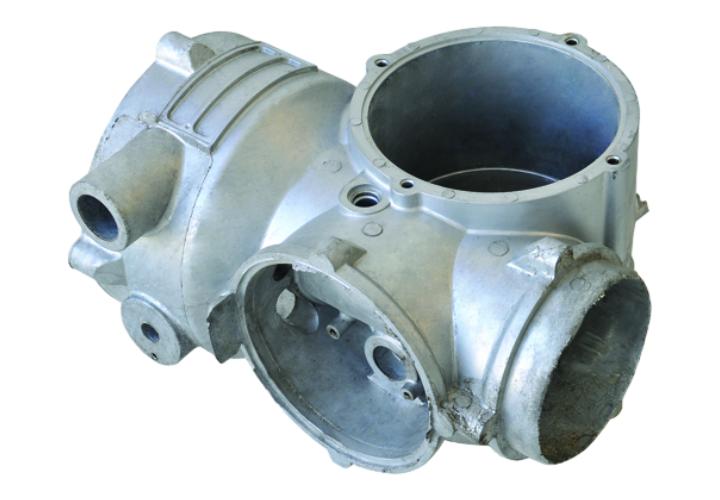
One of the primary factors in achieving the best mold forging results is selecting the right materials. The choice of metal significantly affects the mechanical properties of the forged parts, such as strength, ductility, and resistance to wear. Commonly used materials include carbon steel, alloy steel, and titanium, each offering distinct advantages and applications.
Another essential aspect is the design of the mold itself. A well-designed mold not only facilitates the forging process but also ensures dimensional accuracy and surface finish of the final product. Incorporating features such as draft angles, fillets, and appropriate thickness can enhance the ease of part removal from the mold and improve the overall quality.
Heating techniques play a vital role in mold forging. The temperature at which the metal is heated can influence the forging process's outcome. Typically, materials are heated to their recrystallization temperature to ensure they can be easily shaped without cracking or deforming. It is crucial to monitor the heating process closely, as overheating can lead to oxidation, while underheating can result in inadequate forging.
The forging process itself can be performed using various methods, including open-die forging and closed-die forging. Open-die forging allows for greater flexibility and is often used for larger components, while closed-die forging is suitable for producing intricate shapes with high precision. Understanding the advantages and limitations of each method is essential in selecting the best approach for specific applications.
Quality control throughout the mold forging process is equally important. Implementing rigorous inspection protocols can help identify defects early, ensuring that only high-quality components proceed to the subsequent stages of manufacturing. Techniques such as non-destructive testing and metallographic examinations can provide insights into the internal structure and properties of the forged parts.
In conclusion, mastering the best practices of mold forging is essential for manufacturers aiming to produce high-quality components efficiently. By focusing on material selection, mold design, heating techniques, forging methods, and quality control, businesses can enhance their production processes and achieve superior results. Understanding these principles will not only improve operational efficiency but also contribute to the overall success of manufacturing endeavors.
best mold forging
30
2026-09
The Art of Crafting Durable Aluminum Casts for Industrial Applications
27
2026-09
The Essential Guide to Die Casting: Techniques, Applications, and Benefits
24
2026-09
How to Stay Ahead in Mold Forging: Insights for Manufacturers
21
2026-09
The Essential Guide to Forging Molds: Understanding Their Importance in Manufacturing
18
2026-09
Zinc Die Casting Parts: A Premier Cost-Effective Solution for Customized Manufacturing
15
2026-09
The Intricacies of Zinc Alloy Die Casting: A Comprehensive Overview
12
2026-09
The Art of Creating Intricate Designs Through Aluminum Prototype Casting
GM Diecasting Technology Co.,Limited.
Add:Building 1-5, Chongke Road, Shipai Town, Dongguan City, Guangdong Province
Email:henry@gmdiecastingtech.com
Email:lily@gmdiecastingtech.com
Tel:+8613680864695