



26
2024
-
05
Innovative Applications of Aluminum Alloy in Modern Industries
Author:
Aluminum alloy, a versatile material known for its lightweight and high strength properties, has revolutionized modern industries with its innovative applications. From automotive to aerospace, this metal alloy has become a go-to choice for manufacturers looking to improve performance, efficiency, and sustainability in their products.
**Benefits of Aluminum Alloy**
Aluminum alloy offers a wide range of benefits, making it an attractive option for various industries. Its lightweight nature reduces overall weight, leading to improved fuel efficiency in vehicles and increased payload capacity in aerospace applications. Additionally, its high strength-to-weight ratio provides structural integrity and durability, making it ideal for demanding environments.
**Automotive Industry**
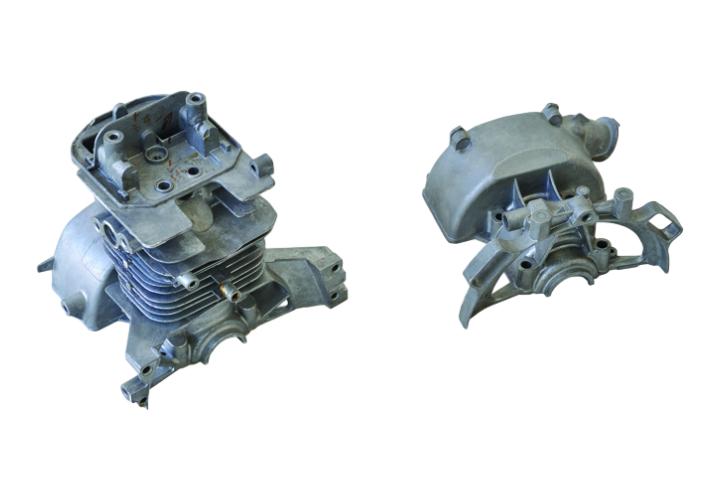
In the automotive industry, aluminum alloy is increasingly being used to replace traditional steel components. Lightweight aluminum parts help reduce vehicle weight, leading to improved fuel economy and lower emissions. From body panels to engine components, aluminum alloy is reshaping the way cars are designed and manufactured.
**Aerospace Industry**
In the aerospace industry, aluminum alloy plays a crucial role in the construction of aircraft. Its high strength and corrosion resistance make it an ideal material for critical components such as wings, fuselage, and landing gear. By using aluminum alloy, manufacturers can achieve significant weight savings without compromising on performance and safety.
**Construction Industry**
In the construction industry, aluminum alloy is used for a wide range of applications, including windows, doors, and structural components. Its lightweight nature and resistance to corrosion make it an excellent choice for building materials that require durability and longevity. Additionally, aluminum alloy's ability to be recycled repeatedly aligns with sustainable construction practices.
**Marine Industry**
In the marine industry, aluminum alloy is used for boat building and marine equipment due to its corrosion resistance and durability in harsh marine environments. From hulls to propellers, aluminum alloy components offer lightweight solutions that improve fuel efficiency and performance on the water.
**Renewable Energy Industry**
In the renewable energy industry, aluminum alloy is utilized in the production of solar panels, wind turbines, and energy storage systems. Its lightweight and recyclable properties make it an environmentally friendly choice for sustainable energy solutions. Aluminum alloy components help improve the efficiency and reliability of renewable energy systems, contributing to a greener future.
**FAQs**
1. What are the advantages of using aluminum alloy in modern industries?
- Aluminum alloy offers lightweight, high strength, and corrosion resistance properties, making it ideal for various applications.
2. How is aluminum alloy used in the automotive industry?
- Aluminum alloy is used in automotive applications to reduce vehicle weight, improve fuel efficiency, and enhance performance.
3. What are some innovative applications of aluminum alloy in the aerospace industry?
- Aluminum alloy is used in aircraft construction for critical components such as wings, fuselage, and landing gear.
4. Why is aluminum alloy a popular choice in the construction industry?
- Aluminum alloy is lightweight, durable, and corrosion-resistant, making it suitable for building materials that require longevity.
5. How does aluminum alloy contribute to the renewable energy industry?
- Aluminum alloy is used in the production of solar panels, wind turbines, and energy storage systems to improve efficiency and sustainability.
**Conclusion**
Aluminum alloy continues to play a pivotal role in modern industries, driving innovation and sustainability across various sectors. Its lightweight, high strength, and recyclable properties make it a versatile material that is reshaping the future of manufacturing. As industries continue to evolve, aluminum alloy will remain a key player in pushing the boundaries of what is possible in technology and design.
aluminum alloy
18
2026-11
Understanding Prototype Aluminum Casting: A Key to Efficient Manufacturing
15
2026-11
Unleashing the Potential of Die Casting Mold in Modern Production
12
2026-11
Understanding Custom Aluminum Casting: A Key Process in Metal Manufacturing
09
2026-11
Optimizing Performance: The Essential Guide to Zinc Casting for Die Casting Tools
21
2026-10
Understanding Zinc Die Casting: A Comprehensive Guide for Manufacturing Professionals
18
2026-10
Empowering Manufacturers: The Benefits of Die Casting Machines
15
2026-10
Understanding Aluminum Die Casting: A Key Process in Metal Manufacturing
GM Diecasting Technology Co.,Limited.
Add:Building 1-5, Chongke Road, Shipai Town, Dongguan City, Guangdong Province
Email:henry@gmdiecastingtech.com
Email:lily@gmdiecastingtech.com
Tel:+8613680864695