



29
2024
-
07
Innovative Solutions for Overcoming Zinc Alloy Mold Machining Challenges
Author:
Innovative Solutions for Overcoming Zinc Alloy Mold Machining Challenges
Table of Contents
- Introduction to Zinc Alloy Mold Machining
- Understanding Zinc Alloys: Properties and Applications
- Common Challenges in Machining Zinc Alloys
- Innovative Machining Techniques for Zinc Alloys
- Advanced Tools and Technology in Zinc Alloy Machining
- Surface Finishing Solutions for Zinc Alloy Molds
- Case Studies: Successful Zinc Alloy Machining
- Future Trends in Zinc Alloy Machining
- Conclusion
- Frequently Asked Questions (FAQs)
Introduction to Zinc Alloy Mold Machining
Zinc alloys have emerged as a popular choice in the manufacturing sector due to their lightweight, corrosion-resistant, and malleable properties. The process of **zinc alloy mold machining** involves intricate methods to create molds that meet the high standards of precision and quality demanded by various industries. However, the machining of zinc alloys poses unique challenges that must be addressed to optimize production efficiency and mold performance.
In this article, we will explore innovative solutions that can help manufacturers overcome these challenges, enhancing their capabilities in zinc alloy mold machining.
Understanding Zinc Alloys: Properties and Applications
Zinc alloys are primarily composed of zinc and various other metals, such as aluminum, copper, and magnesium. The combination of these metals imparts desirable properties to the alloy, making it suitable for a variety of applications, including automotive parts, electronic housings, and industrial components. The most common types of zinc alloys used in machining include:
- **Zamak Alloys**: Known for their excellent casting properties and high dimensional stability.
- **Zinc-Aluminum Alloys**: These alloys are favored for their superior corrosion resistance and mechanical properties.
- **Zinc-Copper Alloys**: Offering enhanced strength and wear resistance, making them ideal for precision components.
Understanding the specific properties of these alloys allows manufacturers to tailor their machining processes accordingly.
Common Challenges in Machining Zinc Alloys
Machining zinc alloys is not without its challenges. These can significantly impact the quality of the final product and the efficiency of the manufacturing process. Some of the major challenges include:
1. Tool Wear and Damage
Zinc alloys can cause rapid wear on cutting tools due to their relatively high abrasiveness. Tool wear can lead to increased production costs and diminished product quality.
2. Chip Formation
The machining of zinc alloys often results in poor chip formation, leading to chip entanglement and machine downtime. Effective management of chips is essential to ensure a smooth machining process.
3. Surface Finish Issues
Achieving a high-quality surface finish can be difficult when working with zinc alloys, particularly if the machining parameters are not optimized. Poor surface finishes can lead to increased post-processing work and reduced product functionality.
4. Thermal Management
Zinc alloys have lower thermal conductivity, which can lead to heat buildup during machining. This can affect tool performance and the accuracy of the machining process.
5. Dimensional Accuracy
Maintaining tight tolerances is crucial in mold making. The machining process must be precisely controlled to avoid deviations that can impact mold performance.
Innovative Machining Techniques for Zinc Alloys
To address the challenges associated with zinc alloy machining, the implementation of innovative techniques is essential. Here are some strategies that manufacturers can adopt:
1. Optimized Cutting Parameters
Adjusting cutting speeds, feed rates, and depth of cuts can significantly impact the machining of zinc alloys. Manufacturers should conduct thorough testing to identify optimal parameters that minimize tool wear and improve chip formation.
2. Use of Coated Tools
Employing cutting tools with specialized coatings can enhance their durability and performance. Tools coated with titanium nitride (TiN) or diamond-like carbon (DLC) can reduce wear and improve machining efficiency.
3. Advanced Machining Processes
Techniques such as **high-speed machining** or **dry machining** can be effective in managing heat and improving surface finishes. These methods can also help reduce environmental impact by minimizing the need for cutting fluids.
4. Implementing CAD/CAM Software
Utilizing sophisticated CAD/CAM software allows for precise modeling and simulation of the machining process. This technology can help manufacturers visualize potential challenges and refine their machining strategies before execution.
Advanced Tools and Technology in Zinc Alloy Machining
The use of advanced machinery and tools can greatly improve the efficiency of zinc alloy machining. Here are some noteworthy advancements:
1. CNC Machining Centers
Computer Numerical Control (CNC) machines provide high precision and repeatability in machining processes. They allow for the automation of complex operations, reducing the risk of human error.
2. Laser Machining
Laser machining technology can be used for cutting and engraving zinc alloys with high precision. This method minimizes thermal distortion and provides superior surface finishes.
3. Ultrasonic Machining
This innovative technique uses high-frequency vibrations to enhance machining efficiency. Ultrasonic machining can help overcome some of the challenges associated with traditional machining methods, particularly in achieving complex geometries.
4. 3D Printing for Prototyping
Additive manufacturing technologies enable rapid prototyping of zinc alloy molds. This allows manufacturers to test designs and make necessary adjustments before moving to full-scale production, saving time and resources.
Surface Finishing Solutions for Zinc Alloy Molds
Achieving an excellent surface finish is vital for the performance of zinc alloy molds. Some effective surface finishing techniques include:
1. Electroplating
Electroplating can enhance the corrosion resistance and surface hardness of zinc alloy molds. It provides a protective layer that extends the mold's lifespan and improves its performance.
2. Shot Peening
This process involves bombarding the mold surface with small spherical media. Shot peening can improve surface integrity and fatigue resistance, making it an ideal finishing technique for high-performance molds.
3. Abrasive Blasting
Abrasive blasting can be used to achieve a uniform surface finish and remove any imperfections from the mold surface. This technique is effective in preparing the mold for further finishing processes.
4. Polishing and Buffing
Mechanical polishing and buffing can help achieve a mirror-like finish on zinc alloy molds. This is particularly important for applications that require aesthetic quality alongside functionality.
Case Studies: Successful Zinc Alloy Machining
Examining real-world applications provides valuable insights into effective zinc alloy machining strategies. Here are a few case studies highlighting innovative solutions in practice:
1. Automotive Component Manufacturing
A leading automotive parts manufacturer encountered challenges in producing lightweight zinc alloy components. By implementing high-speed machining and optimizing their cutting parameters, they significantly reduced cycle times and improved surface finishes, resulting in enhanced product quality and reduced costs.
2. Electronics Housing Production
An electronics company faced issues with dimensional accuracy in their zinc alloy housings. Utilizing advanced CAD/CAM software and CNC machining centers, they achieved tighter tolerances, leading to improved assembly efficiency and product reliability.
3. Custom Mold Making
A custom mold maker struggled with chip management during machining processes. By adopting ultrasonic machining and implementing real-time monitoring systems, they enhanced chip removal efficiency and reduced machine downtime, resulting in increased production volume.
Future Trends in Zinc Alloy Machining
The landscape of zinc alloy machining is continually evolving. Key trends to watch include:
1. Increased Automation
The integration of robotics and automated systems in machining processes will streamline production, reduce labor costs, and enhance precision.
2. Sustainable Practices
As industries move toward sustainability, eco-friendly machining practices will become more prevalent. This includes the use of biodegradable cutting fluids and energy-efficient machinery.
3. Advanced Data Analytics
Harnessing big data and analytics will provide manufacturers with insights into their machining processes, allowing for optimized operations, predictive maintenance, and improved decision-making.
Conclusion
Innovative solutions for zinc alloy mold machining challenges are essential for manufacturers looking to maintain competitiveness in an evolving market. By understanding the properties of zinc alloys, recognizing common machining challenges, and employing advanced techniques and tools, businesses can improve production efficiency and product quality. The future of zinc alloy machining will likely be defined by increased automation, sustainability, and the incorporation of advanced technologies. Embracing these innovations will not only overcome existing challenges but will also pave the way for success in the ever-demanding manufacturing landscape.
Frequently Asked Questions (FAQs)
1. What are the benefits of using zinc alloys in mold making?
Zinc alloys offer benefits such as lightweight, corrosion resistance, good mechanical properties, and ease of machining, making them ideal for various applications in mold making.
2. How can I improve surface finishes on zinc alloy molds?
Optimizing machining parameters, using specialized cutting tools, and implementing surface finishing techniques like electroplating or polishing can enhance surface finishes on zinc alloy molds.
3. What machining techniques are best for zinc alloys?
High-speed machining, dry machining, and the use of CNC machines are among the best techniques for machining zinc alloys, as they improve efficiency and reduce wear on tools.
4. What challenges can arise during zinc alloy machining?
Common challenges include tool wear, poor chip formation, heat management, and maintaining dimensional accuracy, which can all impact the efficiency and quality of the machining process.
5. How do I choose the right cutting tools for zinc alloys?
Selecting cutting tools with appropriate coatings, such as TiN or DLC, and considering tool geometry can help ensure optimal performance when machining zinc alloys.
Innovative Solutions for Overcoming Zinc Alloy Mold Machining Challenges
Table of Contents
- Introduction to Zinc Alloy Mold Machining
- Understanding Zinc Alloys: Properties and Applications
- Common Challenges in Machining Zinc Alloys
- Innovative Machining Techniques for Zinc Alloys
- Advanced Tools and Technology in Zinc Alloy Machining
- Surface Finishing Solutions for Zinc Alloy Molds
- Case Studies: Successful Zinc Alloy Machining
- Future Trends in Zinc Alloy Machining
- Conclusion
- Frequently Asked Questions (FAQs)
Introduction to Zinc Alloy Mold Machining
Zinc alloys have emerged as a popular choice in the manufacturing sector due to their lightweight, corrosion-resistant, and malleable properties. The process of **zinc alloy mold machining** involves intricate methods to create molds that meet the high standards of precision and quality demanded by various industries. However, the machining of zinc alloys poses unique challenges that must be addressed to optimize production efficiency and mold performance.
In this article, we will explore innovative solutions that can help manufacturers overcome these challenges, enhancing their capabilities in zinc alloy mold machining.
Understanding Zinc Alloys: Properties and Applications
Zinc alloys are primarily composed of zinc and various other metals, such as aluminum, copper, and magnesium. The combination of these metals imparts desirable properties to the alloy, making it suitable for a variety of applications, including automotive parts, electronic housings, and industrial components. The most common types of zinc alloys used in machining include:
- **Zamak Alloys**: Known for their excellent casting properties and high dimensional stability.
- **Zinc-Aluminum Alloys**: These alloys are favored for their superior corrosion resistance and mechanical properties.
- **Zinc-Copper Alloys**: Offering enhanced strength and wear resistance, making them ideal for precision components.
Understanding the specific properties of these alloys allows manufacturers to tailor their machining processes accordingly.
Common Challenges in Machining Zinc Alloys
Machining zinc alloys is not without its challenges. These can significantly impact the quality of the final product and the efficiency of the manufacturing process. Some of the major challenges include:
1. Tool Wear and Damage
Zinc alloys can cause rapid wear on cutting tools due to their relatively high abrasiveness. Tool wear can lead to increased production costs and diminished product quality.
2. Chip Formation
The machining of zinc alloys often results in poor chip formation, leading to chip entanglement and machine downtime. Effective management of chips is essential to ensure a smooth machining process.
3. Surface Finish Issues
Achieving a high-quality surface finish can be difficult when working with zinc alloys, particularly if the machining parameters are not optimized. Poor surface finishes can lead to increased post-processing work and reduced product functionality.
4. Thermal Management
Zinc alloys have lower thermal conductivity, which can lead to heat buildup during machining. This can affect tool performance and the accuracy of the machining process.
5. Dimensional Accuracy
Maintaining tight tolerances is crucial in mold making. The machining process must be precisely controlled to avoid deviations that can impact mold performance.
Innovative Machining Techniques for Zinc Alloys
To address the challenges associated with zinc alloy machining, the implementation of innovative techniques is essential. Here are some strategies that manufacturers can adopt:
1. Optimized Cutting Parameters
Adjusting cutting speeds, feed rates, and depth of cuts can significantly impact the machining of zinc alloys. Manufacturers should conduct thorough testing to identify optimal parameters that minimize tool wear and improve chip formation.
2. Use of Coated Tools
Employing cutting tools with specialized coatings can enhance their durability and performance. Tools coated with titanium nitride (TiN) or diamond-like carbon (DLC) can reduce wear and improve machining efficiency.
3. Advanced Machining Processes
Techniques such as **high-speed machining** or **dry machining** can be effective in managing heat and improving surface finishes. These methods can also help reduce environmental impact by minimizing the need for cutting fluids.
4. Implementing CAD/CAM Software
Utilizing sophisticated CAD/CAM software allows for precise modeling and simulation of the machining process. This technology can help manufacturers visualize potential challenges and refine their machining strategies before execution.
Advanced Tools and Technology in Zinc Alloy Machining
The use of advanced machinery and tools can greatly improve the efficiency of zinc alloy machining. Here are some noteworthy advancements:
1. CNC Machining Centers
Computer Numerical Control (CNC) machines provide high precision and repeatability in machining processes. They allow for the automation of complex operations, reducing the risk of human error.
2. Laser Machining
Laser machining technology can be used for cutting and engraving zinc alloys with high precision. This method minimizes thermal distortion and provides superior surface finishes.
3. Ultrasonic Machining
This innovative technique uses high-frequency vibrations to enhance machining efficiency. Ultrasonic machining can help overcome some of the challenges associated with traditional machining methods, particularly in achieving complex geometries.
4. 3D Printing for Prototyping
Additive manufacturing technologies enable rapid prototyping of zinc alloy molds. This allows manufacturers to test designs and make necessary adjustments before moving to full-scale production, saving time and resources.
Surface Finishing Solutions for Zinc Alloy Molds
Achieving an excellent surface finish is vital for the performance of zinc alloy molds. Some effective surface finishing techniques include:
1. Electroplating
Electroplating can enhance the corrosion resistance and surface hardness of zinc alloy molds. It provides a protective layer that extends the mold's lifespan and improves its performance.
2. Shot Peening
This process involves bombarding the mold surface with small spherical media. Shot peening can improve surface integrity and fatigue resistance, making it an ideal finishing technique for high-performance molds.
3. Abrasive Blasting
Abrasive blasting can be used to achieve a uniform surface finish and remove any imperfections from the mold surface. This technique is effective in preparing the mold for further finishing processes.
4. Polishing and Buffing
Mechanical polishing and buffing can help achieve a mirror-like finish on zinc alloy molds. This is particularly important for applications that require aesthetic quality alongside functionality.
Case Studies: Successful Zinc Alloy Machining
Examining real-world applications provides valuable insights into effective zinc alloy machining strategies. Here are a few case studies highlighting innovative solutions in practice:
1. Automotive Component Manufacturing
A leading automotive parts manufacturer encountered challenges in producing lightweight zinc alloy components. By implementing high-speed machining and optimizing their cutting parameters, they significantly reduced cycle times and improved surface finishes, resulting in enhanced product quality and reduced costs.
2. Electronics Housing Production
An electronics company faced issues with dimensional accuracy in their zinc alloy housings. Utilizing advanced CAD/CAM software and CNC machining centers, they achieved tighter tolerances, leading to improved assembly efficiency and product reliability.
3. Custom Mold Making
A custom mold maker struggled with chip management during machining processes. By adopting ultrasonic machining and implementing real-time monitoring systems, they enhanced chip removal efficiency and reduced machine downtime, resulting in increased production volume.
Future Trends in Zinc Alloy Machining
The landscape of zinc alloy machining is continually evolving. Key trends to watch include:
1. Increased Automation
The integration of robotics and automated systems in machining processes will streamline production, reduce labor costs, and enhance precision.
2. Sustainable Practices
As industries move toward sustainability, eco-friendly machining practices will become more prevalent. This includes the use of biodegradable cutting fluids and energy-efficient machinery.
3. Advanced Data Analytics
Harnessing big data and analytics will provide manufacturers with insights into their machining processes, allowing for optimized operations, predictive maintenance, and improved decision-making.
Conclusion
Innovative solutions for zinc alloy mold machining challenges are essential for manufacturers looking to maintain competitiveness in an evolving market. By understanding the properties of zinc alloys, recognizing common machining challenges, and employing advanced techniques and tools, businesses can improve production efficiency and product quality. The future of zinc alloy machining will likely be defined by increased automation, sustainability, and the incorporation of advanced technologies. Embracing these innovations will not only overcome existing challenges but will also pave the way for success in the ever-demanding manufacturing landscape.
Frequently Asked Questions (FAQs)
1. What are the benefits of using zinc alloys in mold making?
Zinc alloys offer benefits such as lightweight, corrosion resistance, good mechanical properties, and ease of machining, making them ideal for various applications in mold making.
2. How can I improve surface finishes on zinc alloy molds?
Optimizing machining parameters, using specialized cutting tools, and implementing surface finishing techniques like electroplating or polishing can enhance surface finishes on zinc alloy molds.
3. What machining techniques are best for zinc alloys?
High-speed machining, dry machining, and the use of CNC machines are among the best techniques for machining zinc alloys, as they improve efficiency and reduce wear on tools.
4. What challenges can arise during zinc alloy machining?
Common challenges include tool wear, poor chip formation, heat management, and maintaining dimensional accuracy, which can all impact the efficiency and quality of the machining process.
5. How do I choose the right cutting tools for zinc alloys?
Selecting cutting tools with appropriate coatings, such as TiN or DLC, and considering tool geometry can help ensure optimal performance when machining zinc alloys.
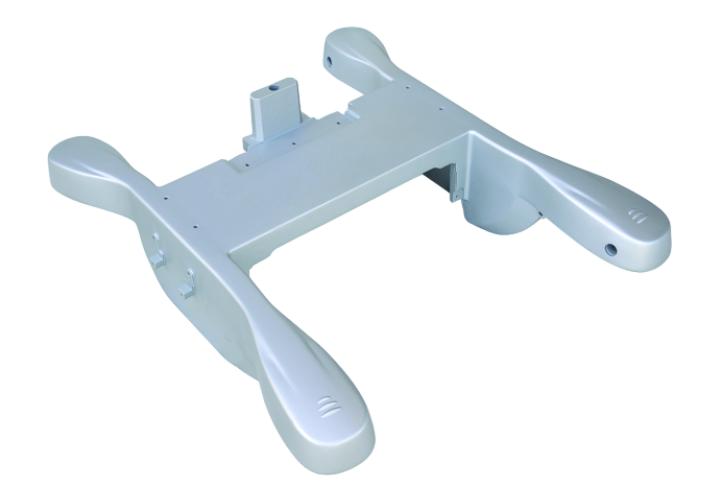
Zinc alloy mold
30
2026-09
The Art of Crafting Durable Aluminum Casts for Industrial Applications
27
2026-09
The Essential Guide to Die Casting: Techniques, Applications, and Benefits
24
2026-09
How to Stay Ahead in Mold Forging: Insights for Manufacturers
21
2026-09
The Essential Guide to Forging Molds: Understanding Their Importance in Manufacturing
18
2026-09
Zinc Die Casting Parts: A Premier Cost-Effective Solution for Customized Manufacturing
15
2026-09
The Intricacies of Zinc Alloy Die Casting: A Comprehensive Overview
12
2026-09
The Art of Creating Intricate Designs Through Aluminum Prototype Casting
GM Diecasting Technology Co.,Limited.
Add:Building 1-5, Chongke Road, Shipai Town, Dongguan City, Guangdong Province
Email:henry@gmdiecastingtech.com
Email:lily@gmdiecastingtech.com
Tel:+8613680864695