



22
2024
-
07
Innovative Techniques for Enhancing Aluminum Alloy Mold Performance
Author:
In the world of manufacturing and processing machinery, the use of aluminum alloy molds is essential for creating high-quality products. However, ensuring optimal performance from these molds can be a challenging task. In this article, we will explore innovative techniques that can enhance the performance of aluminum alloy molds, helping you achieve superior results in your manufacturing processes.
**Understanding Aluminum Alloy Molds**
Before delving into specific techniques for enhancing aluminum alloy mold performance, it is essential to have a basic understanding of these molds. Aluminum alloy molds are widely used in various industries due to their lightweight nature, excellent thermal conductivity, and corrosion resistance. These molds are commonly used in the production of a wide range of products, including automotive components, consumer electronics, and household appliances.
**Key Factors Affecting Mold Performance**
Several factors can impact the performance of aluminum alloy molds, including mold design, material selection, surface treatment, and maintenance practices. By optimizing these key factors, manufacturers can significantly improve the efficiency and durability of their molds, ultimately leading to higher-quality products and increased productivity.
**Innovative Techniques for Enhancing Mold Performance**
1. **Advanced Surface Coatings**: One innovative technique for enhancing aluminum alloy mold performance is the application of advanced surface coatings. These coatings can improve wear resistance, reduce friction, and enhance corrosion resistance, ultimately extending the lifespan of the mold and improving product quality.
2. **Precision Machining**: Precision machining techniques can help optimize the dimensional accuracy and surface finish of aluminum alloy molds, ensuring tight tolerances and smooth surfaces. By utilizing advanced machining technologies, manufacturers can achieve superior mold performance and consistency in product quality.
3. **Thermal Management Systems**: Implementing thermal management systems in aluminum alloy molds can help control temperature variations during the molding process, minimizing thermal stress and improving part quality. By carefully controlling the temperature of the mold, manufacturers can achieve more precise molding results and reduce cycle times.
4. **Advanced Cooling Strategies**: Innovative cooling strategies, such as conformal cooling channels and active cooling systems, can help improve heat transfer and reduce cycle times in aluminum alloy molds. By optimizing the cooling process, manufacturers can achieve faster cycle times, lower energy consumption, and improved part quality.
5. **Integrated Sensor Technology**: Integrating sensor technology into aluminum alloy molds can provide real-time monitoring of key process parameters, such as temperature, pressure, and vibration. By collecting and analyzing data from these sensors, manufacturers can optimize mold performance, prevent defects, and improve overall process efficiency.
**FAQs**
1. What are the benefits of using aluminum alloy molds in manufacturing processes?
2. How can advanced surface coatings improve the performance of aluminum alloy molds?
3. What role does precision machining play in optimizing mold performance?
4. How do thermal management systems help control temperature variations in aluminum alloy molds?
5. What are some innovative cooling strategies that can improve heat transfer in aluminum alloy molds?
**Conclusion**
In conclusion, implementing innovative techniques for enhancing aluminum alloy mold performance can significantly improve the efficiency, quality, and durability of manufacturing processes. By utilizing advanced surface coatings, precision machining, thermal management systems, cooling strategies, and sensor technology, manufacturers can achieve superior results and stay ahead of the competition. Stay tuned for more updates on the latest advancements in aluminum alloy mold technology!
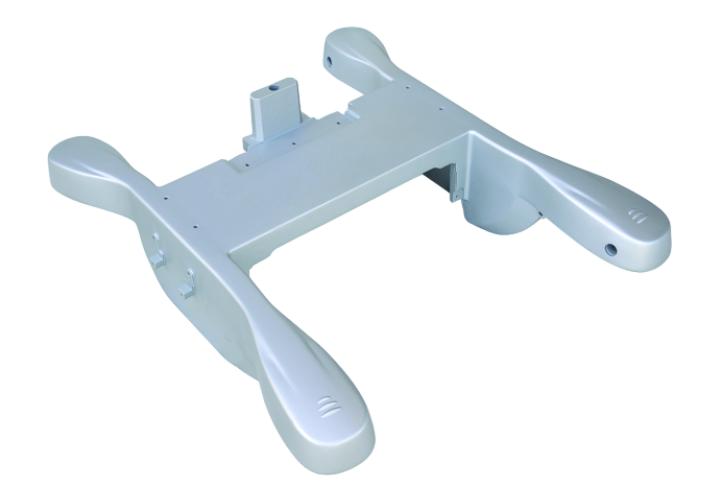
Aluminum alloy mold
30
2026-09
The Art of Crafting Durable Aluminum Casts for Industrial Applications
27
2026-09
The Essential Guide to Die Casting: Techniques, Applications, and Benefits
24
2026-09
How to Stay Ahead in Mold Forging: Insights for Manufacturers
21
2026-09
The Essential Guide to Forging Molds: Understanding Their Importance in Manufacturing
18
2026-09
Zinc Die Casting Parts: A Premier Cost-Effective Solution for Customized Manufacturing
15
2026-09
The Intricacies of Zinc Alloy Die Casting: A Comprehensive Overview
12
2026-09
The Art of Creating Intricate Designs Through Aluminum Prototype Casting
GM Diecasting Technology Co.,Limited.
Add:Building 1-5, Chongke Road, Shipai Town, Dongguan City, Guangdong Province
Email:henry@gmdiecastingtech.com
Email:lily@gmdiecastingtech.com
Tel:+8613680864695