



30
2024
-
06
Innovative Techniques for High-Quality Zinc Casting Results
Author:
In the realm of manufacturing and processing machinery, the production of high-quality zinc castings is a critical component of many industries. From automotive parts to electronic components, the demand for precise and durable zinc castings continues to grow. To meet this demand, manufacturers are constantly seeking innovative techniques that can enhance the quality and efficiency of their casting processes. In this article, we will explore some of the latest advancements in mold-making for zinc casting and how these techniques can lead to superior results.
**Understanding Zinc Casting**
Before delving into the innovative techniques, it's essential to understand the basics of zinc casting. Zinc casting is a process that involves melting zinc alloy and injecting it into a mold cavity to create a desired shape. This process is commonly used in industries such as automotive, electronics, and construction due to zinc's excellent properties, including high strength, durability, and corrosion resistance.
**The Importance of Mold-Making**
One of the key factors that determine the quality of zinc castings is the mold itself. The mold not only shapes the final product but also affects its surface finish, dimensional accuracy, and overall performance. Therefore, creating high-quality molds is essential for achieving consistent and reliable casting results.
**Innovative Techniques for High-Quality Zinc Casting Results**
1. **Advanced Simulation Software**: With the advancement of technology, manufacturers now have access to sophisticated simulation software that can predict how a mold will fill with molten zinc. This allows engineers to optimize the design of the mold and eliminate potential defects before production begins.
2. **Additive Manufacturing**: Additive manufacturing, also known as 3D printing, has revolutionized the mold-making process. By using additive manufacturing techniques, manufacturers can create complex and intricate molds with high precision and accuracy. This not only reduces lead times but also improves the quality of the final casting.
3. **Surface Treatment Technologies**: Surface treatment technologies, such as coatings and finishes, play a crucial role in enhancing the quality of zinc castings. By utilizing advanced surface treatments, manufacturers can improve the wear resistance, corrosion resistance, and aesthetics of the castings.
4. **Optimized Cooling Systems**: Efficient cooling is essential for achieving uniform solidification and minimizing internal stresses in zinc castings. By implementing optimized cooling systems, manufacturers can control the cooling rate of the molten zinc, resulting in superior mechanical properties and dimensional stability.
**FAQs**
1. **What are the advantages of zinc casting?**
Zinc casting offers a wide range of advantages, including high strength-to-weight ratio, excellent dimensional accuracy, and cost-effectiveness.
2. **How can innovative techniques improve zinc casting results?**
Innovative techniques such as advanced simulation software and additive manufacturing can enhance the quality, efficiency, and consistency of zinc casting processes.
3. **What role does mold-making play in zinc casting?**
Mold-making is crucial in zinc casting as it determines the final shape, surface finish, and quality of the castings.
4. **Why is surface treatment important in zinc casting?**
Surface treatment is essential in zinc casting to improve the durability, aesthetics, and performance of the castings.
5. **How do optimized cooling systems benefit zinc casting?**
Optimized cooling systems help achieve uniform solidification and minimize internal stresses in zinc castings, resulting in superior mechanical properties and dimensional stability.
**Conclusion**
In conclusion, innovative techniques in mold-making for zinc casting are revolutionizing the manufacturing industry by improving the quality, efficiency, and consistency of casting processes. By leveraging advanced simulation software, additive manufacturing, surface treatment technologies, and optimized cooling systems, manufacturers can achieve high-quality zinc castings that meet the stringent requirements of modern industries. Stay ahead of the competition and elevate your production process with these cutting-edge techniques for superior results in zinc casting.
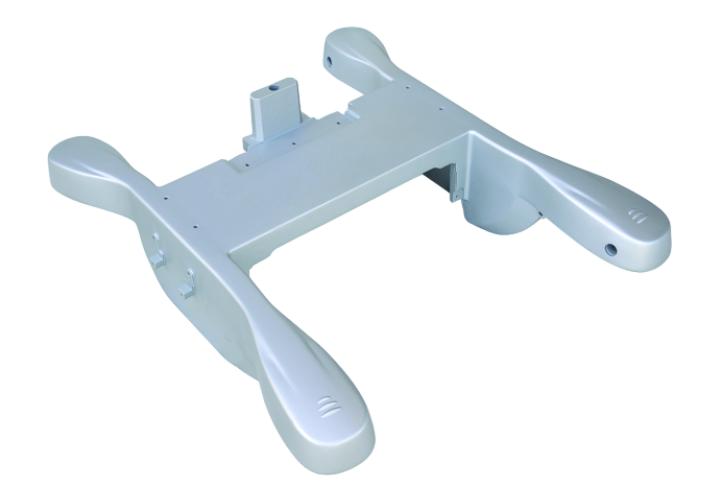
zinc casting
30
2026-09
The Art of Crafting Durable Aluminum Casts for Industrial Applications
27
2026-09
The Essential Guide to Die Casting: Techniques, Applications, and Benefits
24
2026-09
How to Stay Ahead in Mold Forging: Insights for Manufacturers
21
2026-09
The Essential Guide to Forging Molds: Understanding Their Importance in Manufacturing
18
2026-09
Zinc Die Casting Parts: A Premier Cost-Effective Solution for Customized Manufacturing
15
2026-09
The Intricacies of Zinc Alloy Die Casting: A Comprehensive Overview
12
2026-09
The Art of Creating Intricate Designs Through Aluminum Prototype Casting
GM Diecasting Technology Co.,Limited.
Add:Building 1-5, Chongke Road, Shipai Town, Dongguan City, Guangdong Province
Email:henry@gmdiecastingtech.com
Email:lily@gmdiecastingtech.com
Tel:+8613680864695