



15
2024
-
04
Revolutionizing Mold Manufacturing: Aluminum Alloy Impact
Author:
**Introduction**
In recent years, the mold manufacturing industry has seen a significant shift in the materials used to create molds. One material that has been gaining popularity due to its numerous benefits is aluminum alloy. In this article, we will explore the impact of aluminum alloy on mold manufacturing and how it is revolutionizing the industry.
**The Advantages of Aluminum Alloy**
Aluminum alloy offers a wide range of advantages over traditional mold materials such as steel. One of the main benefits is its lightweight nature, which makes it easier to handle and transport. Additionally, aluminum alloy has excellent thermal conductivity, allowing for faster cooling times during the molding process. This results in increased productivity and shorter lead times for mold production.
**Enhanced Durability and Longevity**
Despite being lightweight, aluminum alloy is incredibly durable and can withstand high temperatures and pressures. This durability ensures that molds made from aluminum alloy have a longer lifespan compared to traditional materials. This means that manufacturers can produce more parts with the same mold, resulting in cost savings and increased efficiency.
**Improved Surface Finish**
Another significant advantage of using aluminum alloy in mold manufacturing is the improved surface finish it provides. The smooth surface of aluminum alloy molds results in higher quality parts with minimal post-processing required. This not only saves time but also ensures that the final products meet the highest standards of quality.
**Cost-Effectiveness**
While aluminum alloy may have a higher initial cost compared to traditional mold materials, the long-term cost-effectiveness cannot be overlooked. The increased productivity, durability, and improved surface finish of aluminum alloy molds lead to lower overall production costs and higher returns on investment for manufacturers.
**Environmental Benefits**
In addition to its performance advantages, aluminum alloy is also more environmentally friendly compared to other mold materials. Aluminum is a highly recyclable material, which means that scrap aluminum can be easily melted down and reused in the production of new molds. This helps reduce waste and carbon emissions, making aluminum alloy a sustainable choice for mold manufacturing.
**FAQs**
1. What types of molds can be made using aluminum alloy?
Aluminum alloy can be used to create a wide range of molds, including injection molds, blow molds, and compression molds.
2. Is aluminum alloy suitable for high-volume production?
Yes, aluminum alloy molds are capable of high-volume production due to their durability and longevity.
3. How does aluminum alloy compare to steel in terms of mold manufacturing?
Aluminum alloy offers advantages such as lightweight nature, enhanced durability, improved surface finish, and cost-effectiveness compared to steel.
4. Can aluminum alloy molds be used for complex part geometries?
Yes, aluminum alloy molds are highly versatile and can be used to create molds for complex part geometries.
5. What are the main considerations when choosing aluminum alloy for mold manufacturing?
Factors to consider include the type of parts being produced, production volume, required surface finish, and budget considerations.
**Conclusion**
In conclusion, the use of aluminum alloy in mold manufacturing is revolutionizing the industry by providing numerous benefits such as enhanced durability, improved surface finish, and cost-effectiveness. Manufacturers who embrace aluminum alloy molds can expect increased productivity, higher quality parts, and a more sustainable production process. With its versatility and performance advantages, aluminum alloy is undoubtedly shaping the future of mold manufacturing.
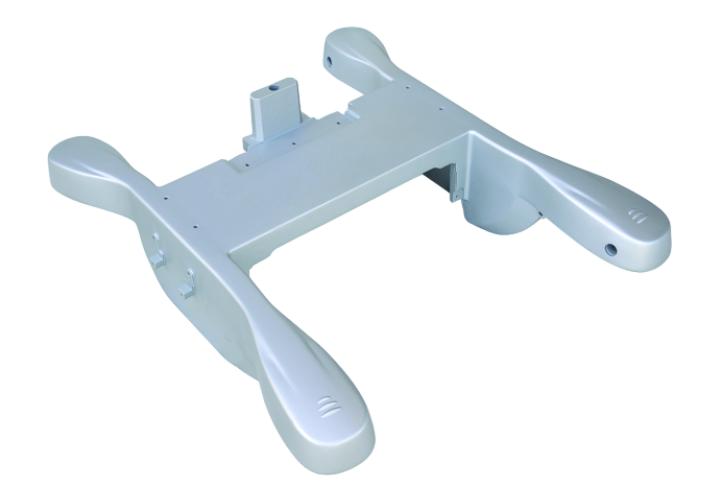
Aluminum alloy mold
Next Page
30
2026-09
The Art of Crafting Durable Aluminum Casts for Industrial Applications
27
2026-09
The Essential Guide to Die Casting: Techniques, Applications, and Benefits
24
2026-09
How to Stay Ahead in Mold Forging: Insights for Manufacturers
21
2026-09
The Essential Guide to Forging Molds: Understanding Their Importance in Manufacturing
18
2026-09
Zinc Die Casting Parts: A Premier Cost-Effective Solution for Customized Manufacturing
15
2026-09
The Intricacies of Zinc Alloy Die Casting: A Comprehensive Overview
12
2026-09
The Art of Creating Intricate Designs Through Aluminum Prototype Casting
GM Diecasting Technology Co.,Limited.
Add:Building 1-5, Chongke Road, Shipai Town, Dongguan City, Guangdong Province
Email:henry@gmdiecastingtech.com
Email:lily@gmdiecastingtech.com
Tel:+8613680864695