



18
2024
-
05
Revolutionizing Product Development Through Zinc Alloy Molds
Author:
## The Rise of Zinc Alloys in Manufacturing
In recent years, the use of zinc alloys in manufacturing has seen a significant rise due to their exceptional properties and versatility. From automotive parts to consumer electronics, zinc alloys have become the preferred material for producing high-quality molds that are both durable and cost-effective.
### Benefits of Zinc Alloys
Zinc alloys offer a wide range of benefits that make them ideal for mold production. These include:
- **High Strength**: Zinc alloys are known for their high strength-to-weight ratio, making them perfect for producing durable molds that can withstand rigorous use.
- **Corrosion Resistance**: Zinc alloys are highly resistant to corrosion, ensuring the longevity of molds even in harsh environments.
- **Precision Casting**: Zinc alloys have excellent fluidity and can be easily cast into intricate shapes, allowing for the production of complex molds with high precision.
- **Cost-Effective**: Zinc alloys are more affordable than other materials such as steel or aluminum, making them a cost-effective choice for mold production.
### Applications of Zinc Alloy Molds
Zinc alloy molds are widely used across various industries for producing a diverse range of products. Some common applications include:
- **Automotive Parts**: Zinc alloy molds are used to produce components such as engine parts, brackets, and connectors for the automotive industry.
- **Consumer Electronics**: Zinc alloy molds are used to manufacture casings, connectors, and components for smartphones, laptops, and other electronic devices.
- **Home Appliances**: Zinc alloy molds are used to produce components for appliances such as refrigerators, washing machines, and air conditioners.
## Innovative Techniques in Zinc Alloy Mold Production
The manufacturing industry has witnessed the adoption of innovative techniques in zinc alloy mold production to enhance efficiency and quality. These techniques include:
### Hot Chamber Die Casting
Hot chamber die casting is a popular technique used in zinc alloy mold production. This process involves injecting molten zinc alloy into a die cavity at high pressure, ensuring fast and precise casting of molds.
### Vacuum Casting
Vacuum casting is another technique that is commonly used to produce high-quality zinc alloy molds. By removing air from the mold cavity, vacuum casting ensures the production of molds with minimal defects and excellent surface finish.
## FAQ
### Q: What makes zinc alloys a suitable choice for mold production?
A: Zinc alloys offer high strength, corrosion resistance, precision casting capabilities, and cost-effectiveness, making them an ideal choice for mold production.
### Q: What are the common applications of zinc alloy molds?
A: Zinc alloy molds are used in industries such as automotive, consumer electronics, and home appliances to produce a wide range of components and products.
### Q: What innovative techniques are used in zinc alloy mold production?
A: Techniques such as hot chamber die casting and vacuum casting are commonly used to enhance efficiency and quality in zinc alloy mold production.
### Q: How do zinc alloy molds contribute to revolutionizing product development?
A: Zinc alloy molds enable manufacturers to produce high-quality products efficiently and cost-effectively, leading to faster product development cycles and improved competitiveness in the market.
### Q: Are zinc alloys environmentally friendly?
A: Yes, zinc alloys are recyclable and environmentally friendly, making them a sustainable choice for mold production.
## Conclusion
In conclusion, zinc alloy molds have revolutionized product development processes by offering a cost-effective, efficient, and versatile solution for mold production. With their exceptional properties and innovative techniques, zinc alloys continue to play a crucial role in shaping the future of manufacturing industries. Embrace the power of zinc alloy molds and experience the transformative impact they can have on your product development journey.
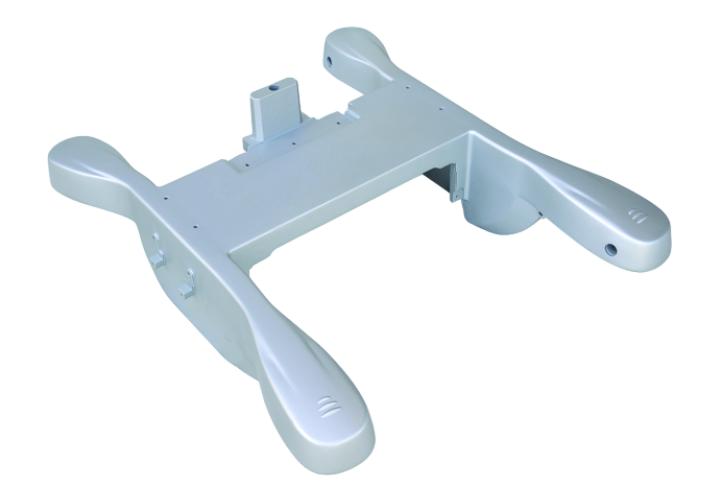
Zinc alloy mold
30
2026-09
The Art of Crafting Durable Aluminum Casts for Industrial Applications
27
2026-09
The Essential Guide to Die Casting: Techniques, Applications, and Benefits
24
2026-09
How to Stay Ahead in Mold Forging: Insights for Manufacturers
21
2026-09
The Essential Guide to Forging Molds: Understanding Their Importance in Manufacturing
18
2026-09
Zinc Die Casting Parts: A Premier Cost-Effective Solution for Customized Manufacturing
15
2026-09
The Intricacies of Zinc Alloy Die Casting: A Comprehensive Overview
12
2026-09
The Art of Creating Intricate Designs Through Aluminum Prototype Casting
GM Diecasting Technology Co.,Limited.
Add:Building 1-5, Chongke Road, Shipai Town, Dongguan City, Guangdong Province
Email:henry@gmdiecastingtech.com
Email:lily@gmdiecastingtech.com
Tel:+8613680864695