



14
2024
-
05
Revolutionizing the Manufacturing Industry: Exploring the Benefits of Die Casting
Author:
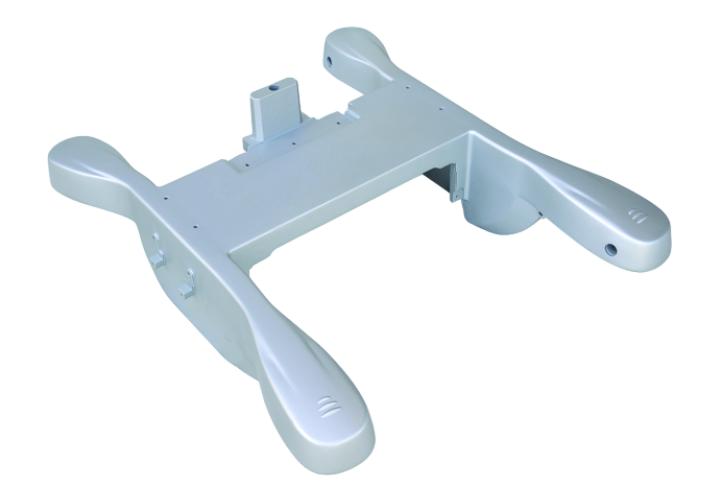
In today's rapidly evolving manufacturing landscape, innovation is key to staying ahead of the competition. One revolutionary technique that is transforming the industry is die casting. This process involves injecting molten metal into a mold cavity under high pressure, resulting in complex shapes with high precision. In this article, we will delve into the benefits of die casting and explore how it is revolutionizing the manufacturing industry.
**The Evolution of Die Casting**
Die casting has come a long way since its inception in the early 19th century. Originally used for producing printing type, the process has now evolved to cater to a wide range of industries, including automotive, aerospace, and electronics. With advancements in technology and materials, die casting has become a cost-effective and efficient solution for mass-producing intricate parts with minimal post-processing.
**Key Benefits of Die Casting**
1. **High Precision**: Die casting allows for the production of complex shapes with tight tolerances, ensuring consistent quality and performance.
2. **Cost-Effective**: The high production rate and minimal material waste make die casting a cost-effective solution for large-scale manufacturing.
3. **Strength and Durability**: Die-cast parts exhibit superior strength and durability, making them ideal for applications that require robust components.
4. **Versatility**: Die casting can accommodate a wide range of materials, including aluminum, zinc, and magnesium, offering flexibility in design and production.
5. **Efficiency**: The automated nature of die casting results in faster production cycles and reduced labor costs, optimizing overall efficiency.
**Innovations in Die Casting**
The advent of advanced technologies, such as computer simulation and 3D printing, has revolutionized the die casting process. These innovations enable manufacturers to optimize mold designs, improve material flow, and enhance part quality. Additionally, the integration of IoT and data analytics has enabled real-time monitoring and predictive maintenance, further increasing productivity and reliability.
**Challenges and Opportunities**
While die casting offers numerous benefits, it also presents challenges, such as mold maintenance, material selection, and environmental impact. However, with ongoing research and development, these challenges are being addressed, paving the way for further advancements in the field. As the demand for lightweight, high-performance components continues to grow, die casting remains a key player in shaping the future of manufacturing.
**Frequently Asked Questions**
1. What industries can benefit from die casting?
2. How does die casting compare to other manufacturing processes?
3. What are the environmental considerations of die casting?
4. What role does automation play in die casting?
5. How can companies integrate die casting into their production processes?
**Conclusion**
In conclusion, die casting is revolutionizing the manufacturing industry by offering a cost-effective, efficient, and versatile solution for producing high-quality parts. With ongoing advancements in technology and materials, die casting is set to continue its trajectory as a game-changer in modern manufacturing. Embrace the benefits of die casting and stay ahead of the competition in today's fast-paced market.
die casting
30
2026-09
The Art of Crafting Durable Aluminum Casts for Industrial Applications
27
2026-09
The Essential Guide to Die Casting: Techniques, Applications, and Benefits
24
2026-09
How to Stay Ahead in Mold Forging: Insights for Manufacturers
21
2026-09
The Essential Guide to Forging Molds: Understanding Their Importance in Manufacturing
18
2026-09
Zinc Die Casting Parts: A Premier Cost-Effective Solution for Customized Manufacturing
15
2026-09
The Intricacies of Zinc Alloy Die Casting: A Comprehensive Overview
12
2026-09
The Art of Creating Intricate Designs Through Aluminum Prototype Casting
GM Diecasting Technology Co.,Limited.
Add:Building 1-5, Chongke Road, Shipai Town, Dongguan City, Guangdong Province
Email:henry@gmdiecastingtech.com
Email:lily@gmdiecastingtech.com
Tel:+8613680864695