



19
2024
-
08
The Benefits of Choosing Quality Zinc Die Casting Parts for Your Projects
Author:
The Benefits of Choosing Quality Zinc Die Casting Parts for Your Projects
Introduction to Zinc Die Casting
Zinc die casting is a manufacturing process that offers unparalleled precision and versatility, making it a preferred choice for various industries. As we delve deeper into the realm of zinc die casting, we will explore its myriad benefits and why opting for high-quality components can make a significant difference in your projects.
Understanding Zinc Die Casting
Before we dive into the benefits, it is essential to understand what zinc die casting entails. This process involves forcing molten zinc alloy into a mold cavity under high pressure. The rapid cooling of the metal allows it to solidify quickly, resulting in incredibly precise and intricate parts that are ready for production almost immediately.
The Die Casting Process Explained
The die casting process can be broken down into several key stages:
1. **Mold Preparation**: High-quality molds are designed and manufactured to ensure accurate dimensions.
2. **Metal Melting**: Zinc alloys are melted in a furnace, reaching temperatures around 400 degrees Celsius.
3. **Injection**: The molten metal is injected into the mold at high pressure, ensuring every detail of the mold is filled.
4. **Cooling and Ejection**: Once cooled, the parts are ejected from the mold and undergo any necessary finishing processes.
5. **Quality Inspection**: Final parts undergo rigorous quality checks to ensure they meet specifications.
Key Benefits of Using Quality Zinc Die Casting Parts
Choosing quality zinc die casting parts can revolutionize your manufacturing processes. Below are some significant advantages:
1. Superior Strength and Durability
Quality zinc die casting parts exhibit remarkable strength and durability. The nature of zinc alloys allows for excellent resistance to corrosion, making them ideal for applications in harsh environments. Whether in automotive parts or electronic housings, high-quality zinc components can withstand wear and tear over time.
2. Enhanced Precision and Detail
One of the standout features of zinc die casting is its ability to create intricate designs with high precision. The process allows for tight tolerances, ensuring that each part fits perfectly within its assembly. This leads to better overall product performance and reduces the likelihood of defects.
3. Cost-Effectiveness in High-Volume Production
While the initial investment in quality die casting may be higher, the long-term cost savings are significant. High-quality molds and processes lead to lower scrap rates and reduced overall production costs, especially in large-volume runs. The efficiency of zinc die casting allows manufacturers to achieve economies of scale, contributing to a lower per-unit cost.
4. Versatility in Application
Zinc die casting is incredibly versatile, with applications spanning numerous industries, including:
- Automotive: Engine components, brackets, and housings.
- Electronics: Heat sinks, connectors, and enclosures.
- Consumer Goods: Various household products and tools.
The adaptability of zinc die casting makes it an excellent choice for various project needs.
5. Environmental Benefits
Quality zinc die casting is an environmentally friendly option. Zinc is infinitely recyclable, providing manufacturers with a sustainable solution. By choosing high-quality die casting parts, companies can contribute to a circular economy and reduce their carbon footprint.
Why Quality Matters in Zinc Die Casting
When it comes to zinc die casting, quality is paramount. Here are the reasons why investing in quality parts is crucial:
1. Consistency in Production
High-quality manufacturers adhere to stringent quality control processes, ensuring consistency across all parts. This is vital for industries that rely on uniformity, such as automotive and electronics.
2. Reduced Time and Cost of Rework
Quality defects can lead to extensive rework, delaying production schedules and increasing costs. By sourcing high-quality zinc die casting parts, businesses minimize these risks and maintain smoother operations.
3. Improved Product Lifecycle
Quality components contribute to extending the lifecycle of the final product. Durable zinc die casting parts enhance the overall performance, leading to lower maintenance costs and increased customer satisfaction.
Comparing Zinc Die Casting with Other Manufacturing Processes
When evaluating zinc die casting, it is essential to compare it with other manufacturing processes such as machining, injection molding, and sand casting.
1. Machining vs. Die Casting
While machining allows for excellent tolerances, it can be time-consuming and cost-prohibitive for high-volume production. Zinc die casting, on the other hand, offers faster production times and lower overall costs.
2. Injection Molding vs. Die Casting
Injection molding is similar to die casting but typically involves thermoplastics. Zinc die casting provides superior strength and durability, making it a better option for metal parts.
3. Sand Casting vs. Die Casting
Sand casting is less expensive but often results in lower precision and a rougher surface finish. Zinc die casting achieves a smoother finish and tighter tolerances.
Quality Assurance in Zinc Die Casting
Ensuring quality in zinc die casting involves rigorous testing and inspection methods throughout the production process.
1. Materials Testing
Quality manufacturers conduct thorough testing of the zinc alloys used, ensuring they meet industry standards for strength and corrosion resistance.
2. Process Control
Implementing advanced process control systems helps manufacturers monitor every stage of production, from melting to cooling, ensuring consistency and quality.
3. Final Product Inspection
Once the parts are produced, they undergo comprehensive inspections to verify they meet the necessary specifications. This may include dimensional checks, visual inspections, and performance testing.
FAQs About Zinc Die Casting Parts
1. What industries commonly use zinc die casting parts?
Zinc die casting parts are utilized in various industries, including automotive, electronics, consumer goods, and industrial machinery.
2. How does zinc die casting compare to aluminum die casting?
Zinc die casting typically offers better dimensional accuracy and surface finish, while aluminum die casting is preferred for lightweight applications.
3. Can zinc die casting parts be painted or coated?
Yes, zinc die casting parts can be painted, coated, or plated to enhance their aesthetic appeal and additional corrosion resistance.
4. What are the advantages of using zinc over other metals for die casting?
Zinc offers excellent strength-to-weight ratio, corrosion resistance, and a lower melting point, making it easier to work with compared to other metals.
5. How can I ensure the quality of zinc die casting parts?
Choose reputable manufacturers that adhere to quality standards, conduct thorough inspections, and utilize advanced manufacturing techniques.
Conclusion
In summary, choosing quality zinc die casting parts is an investment that pays off in numerous ways. From superior strength and durability to enhanced precision and cost-effectiveness, the benefits are clear. By understanding the die casting process and prioritizing quality, manufacturers can optimize their projects and ensure the long-term success of their products. Whether you are in the automotive industry, electronics, or any other field, quality zinc die casting parts can significantly elevate your manufacturing capabilities.
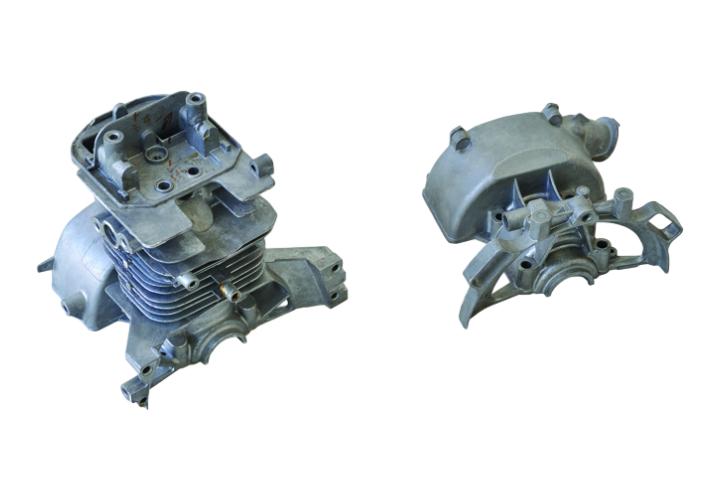
quality zinc die casting parts
18
2026-11
Understanding Prototype Aluminum Casting: A Key to Efficient Manufacturing
15
2026-11
Unleashing the Potential of Die Casting Mold in Modern Production
12
2026-11
Understanding Custom Aluminum Casting: A Key Process in Metal Manufacturing
09
2026-11
Optimizing Performance: The Essential Guide to Zinc Casting for Die Casting Tools
21
2026-10
Understanding Zinc Die Casting: A Comprehensive Guide for Manufacturing Professionals
18
2026-10
Empowering Manufacturers: The Benefits of Die Casting Machines
15
2026-10
Understanding Aluminum Die Casting: A Key Process in Metal Manufacturing
GM Diecasting Technology Co.,Limited.
Add:Building 1-5, Chongke Road, Shipai Town, Dongguan City, Guangdong Province
Email:henry@gmdiecastingtech.com
Email:lily@gmdiecastingtech.com
Tel:+8613680864695