



08
2024
-
07
The Evolution of Aluminum Casting Techniques in Mold Manufacturing
Author:
# Introduction
Aluminum casting has long been a preferred method in mold manufacturing due to its versatility and cost-effectiveness. Over the years, advancements in technology have led to the evolution of aluminum casting techniques, making them even more efficient and precise. In this article, we will delve into the evolution of aluminum casting techniques in mold manufacturing and explore how they have transformed the industry.
## The History of Aluminum Casting
Aluminum casting has been used for centuries in various applications, including mold manufacturing. The process involves melting aluminum and pouring it into a mold to create a desired shape. Initially, aluminum casting techniques were rudimentary, resulting in limited precision and quality. However, as technology advanced, so did aluminum casting techniques.
### Traditional Aluminum Casting Methods
Traditional aluminum casting methods, such as sand casting and gravity casting, have been used for many years in mold manufacturing. While effective, these methods have their limitations in terms of precision and efficiency.
#### Sand Casting
Sand casting involves creating a mold out of sand and pouring molten aluminum into it. While cost-effective, sand casting can result in rough surfaces and dimensional inaccuracies.
#### Gravity Casting
Gravity casting, also known as permanent mold casting, involves pouring molten aluminum into a reusable mold. While more precise than sand casting, gravity casting still has limitations in terms of complexity and detail.
## Advancements in Aluminum Casting Techniques
In recent years, advancements in technology have revolutionized aluminum casting techniques in mold manufacturing. These advancements have led to increased precision, efficiency, and quality in the finished products.
### High-Pressure Die Casting
High-pressure die casting is a modern aluminum casting technique that involves injecting molten aluminum into a steel mold under high pressure. This method allows for intricate details, tight tolerances, and high production volumes, making it ideal for mass production of molds.
### Low-Pressure Die Casting
Low-pressure die casting is another advanced aluminum casting technique that involves using low pressure to fill the mold with molten aluminum. This method produces high-quality, precise molds with minimal porosity and defects.
### Vacuum Casting
Vacuum casting is a specialized aluminum casting technique that involves removing air from the mold cavity before pouring molten aluminum. This process eliminates gas porosity and ensures a high-quality, defect-free mold.
## The Future of Aluminum Casting Techniques
As technology continues to advance, the future of aluminum casting techniques in mold manufacturing looks promising. Innovations such as 3D printing and digital modeling are revolutionizing the industry, allowing for even greater precision and customization in mold production.
# Conclusion
In conclusion, the evolution of aluminum casting techniques in mold manufacturing has significantly impacted the industry. From traditional methods to advanced techniques such as high-pressure die casting and vacuum casting, aluminum casting continues to be a versatile and cost-effective solution for mold production. As technology continues to advance, the future of aluminum casting techniques looks bright, with endless possibilities for innovation and creativity.
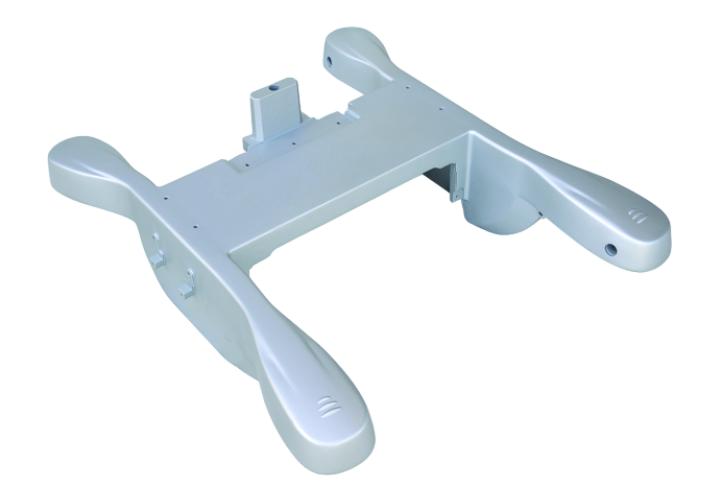
prototype aluminum casting
30
2026-09
The Art of Crafting Durable Aluminum Casts for Industrial Applications
27
2026-09
The Essential Guide to Die Casting: Techniques, Applications, and Benefits
24
2026-09
How to Stay Ahead in Mold Forging: Insights for Manufacturers
21
2026-09
The Essential Guide to Forging Molds: Understanding Their Importance in Manufacturing
18
2026-09
Zinc Die Casting Parts: A Premier Cost-Effective Solution for Customized Manufacturing
15
2026-09
The Intricacies of Zinc Alloy Die Casting: A Comprehensive Overview
12
2026-09
The Art of Creating Intricate Designs Through Aluminum Prototype Casting
GM Diecasting Technology Co.,Limited.
Add:Building 1-5, Chongke Road, Shipai Town, Dongguan City, Guangdong Province
Email:henry@gmdiecastingtech.com
Email:lily@gmdiecastingtech.com
Tel:+8613680864695