



19
2024
-
09
The Ultimate Guide to Sourcing Quality Zinc Die Casting Components
Author:
The Ultimate Guide to Sourcing Quality Zinc Die Casting Components
Table of Contents
1. Introduction to Zinc Die Casting
2. Understanding the Zinc Die Casting Process
3. Benefits of Using Zinc Die Casting Components
4. Key Factors in Sourcing Zinc Die Casting Components
- 4.1 1. Supplier Research and Vetting
- 4.2 2. Quality Control Measures
- 4.3 3. Price Negotiation Strategies
5. Certifications and Industry Standards for Zinc Die Casting
6. Common Challenges in Sourcing Zinc Die Casting Components
7. Future Trends in Zinc Die Casting
8. Conclusion
9. Frequently Asked Questions (FAQs)
Introduction to Zinc Die Casting
Zinc die casting is a highly efficient manufacturing process that allows for the production of intricate and durable components. This method is favored in various industries, including automotive, electronics, and hardware, due to its ability to create complex shapes with excellent surface finishes and dimensional accuracy. Understanding how to source quality zinc die casting components can significantly impact the performance and longevity of your products.
Understanding the Zinc Die Casting Process
The zinc die casting process involves injecting molten zinc alloy into a mold under high pressure. This technique is ideal for producing large volumes of parts with tight tolerances. The process typically includes the following steps:
1. Mold Design
Creating a well-designed mold is essential. The mold must be engineered to withstand the high pressures involved in the casting process while allowing for the precise shaping of the component.
2. Melting Zinc Alloy
The zinc alloy is melted in a furnace, reaching a temperature that allows it to flow freely into the mold. Common alloys used include Zamak 3, Zamak 5, and Zamak 7, each offering specific qualities suited for various applications.
3. Injection Process
Once the alloy is molten, it is injected into the mold at high pressure. The pressure helps ensure that the molten zinc fills every part of the mold, reducing the risk of defects.
4. Cooling and Ejection
After the zinc has cooled and solidified, the mold opens to eject the component. The cooling process is crucial for achieving the desired mechanical properties.
Benefits of Using Zinc Die Casting Components
Zinc die casting offers numerous advantages, making it a popular choice among manufacturers:
1. High Precision and Tolerance
Zinc die casting produces parts with exceptional dimensional accuracy, making it ideal for applications that require tight tolerances.
2. Complex Geometries
The process allows the production of complex shapes that would be challenging or impossible to achieve using traditional machining methods.
3. Cost-Effective for Mass Production
While the initial costs for mold creation can be high, the efficiency of the die casting process makes it cost-effective for large production runs.
4. Excellent Surface Finish
Components produced through zinc die casting often require little to no secondary finishing, reducing overall production time and costs.
5. Good Mechanical Properties
Zinc alloys exhibit excellent strength, durability, and resistance to corrosion, making them suitable for a variety of applications.
Key Factors in Sourcing Zinc Die Casting Components
When sourcing zinc die casting components, several factors play a crucial role in ensuring quality and reliability.
1. Supplier Research and Vetting
Conduct thorough research to identify potential suppliers. Look for manufacturers with a proven track record in zinc die casting. Consider the following criteria:
- **Experience and Reputation**: Choose suppliers with extensive experience and a solid reputation in the industry.
- **Production Capacity**: Ensure the supplier can meet your volume requirements within your timeline.
- **Client Testimonials**: Reach out to previous clients to gauge satisfaction with the supplier's products and services.
2. Quality Control Measures
Implementing stringent quality control measures is vital for maintaining the standards of your zinc die casting components. Key practices include:
- **Incoming Material Inspection**: Ensure that the raw materials meet quality specifications before production begins.
- **In-Process Monitoring**: Regularly monitor the die casting process to detect and rectify any deviations from quality standards.
- **Final Product Testing**: Conduct thorough tests on finished components to ensure they meet specifications and performance requirements.
3. Price Negotiation Strategies
Price is always a consideration when sourcing components. To negotiate effectively:
- **Understand Market Rates**: Research prevailing market prices to gain leverage during negotiations.
- **Consider Value Over Cost**: Focus on the overall value provided by the supplier rather than solely the price tag.
- **Long-term Relationships**: Aim to establish long-term partnerships that may lead to more favorable pricing in the future.
Certifications and Industry Standards for Zinc Die Casting
When sourcing zinc die casting components, it is important to ensure that your suppliers comply with relevant certifications and industry standards, such as:
- **ISO 9001**: This certification indicates a commitment to quality management systems.
- **RoHS Compliance**: Ensures that materials used are free from hazardous substances.
- **ASTM Standards**: Familiarize yourself with ASTM specifications for zinc alloys to ensure compliance with industry norms.
Common Challenges in Sourcing Zinc Die Casting Components
Sourcing zinc die casting components can present several challenges, including:
1. Variability in Quality
Not all suppliers maintain the same level of quality, leading to inconsistencies in the components received.
2. Communication Barriers
Language differences and geographical distances can hinder effective communication with suppliers, leading to misunderstandings.
3. Supply Chain Disruptions
Global events such as pandemics or natural disasters can disrupt supply chains, affecting the availability and delivery of components.
Future Trends in Zinc Die Casting
As technology continues to advance, several trends may shape the future of zinc die casting:
1. Automation and Smart Manufacturing
The integration of automation and smart technologies into the die casting process can enhance efficiency and precision.
2. Sustainable Practices
Increased awareness of environmental issues is driving manufacturers to adopt more sustainable practices, including recycling and reducing waste.
3. Development of New Alloys
Ongoing research into new zinc alloys may lead to improved properties and expanded applications in various industries.
Conclusion
Sourcing quality zinc die casting components is a multifaceted process that requires careful consideration of various factors, from understanding the die casting methodology to selecting reliable suppliers. By focusing on quality control, compliance with standards, and strategic negotiation, manufacturers can enhance the performance and reliability of their products. Staying informed about emerging trends will further enable businesses to adapt and thrive in a competitive landscape.
Frequently Asked Questions (FAQs)
1. What is zinc die casting used for?
Zinc die casting is used to produce components for various industries, including automotive, electronics, and consumer goods, due to its precision and durability.
2. How does zinc die casting compare to aluminum die casting?
While both processes offer similar advantages, zinc die casting is often preferred for smaller, more intricate parts due to its superior surface finish and dimensional accuracy.
3. What are the typical applications of zinc die casting components?
Common applications include electronic enclosures, automotive parts, hardware fittings, and decorative components.
4. How can I ensure the quality of zinc die casting components?
Implementing strict quality control measures, such as material inspections and final product testing, can help ensure the quality of components.
5. What are the advantages of sourcing locally for zinc die casting?
Sourcing locally can reduce lead times, simplify communication, and often lower transportation costs, improving overall efficiency in the supply chain.
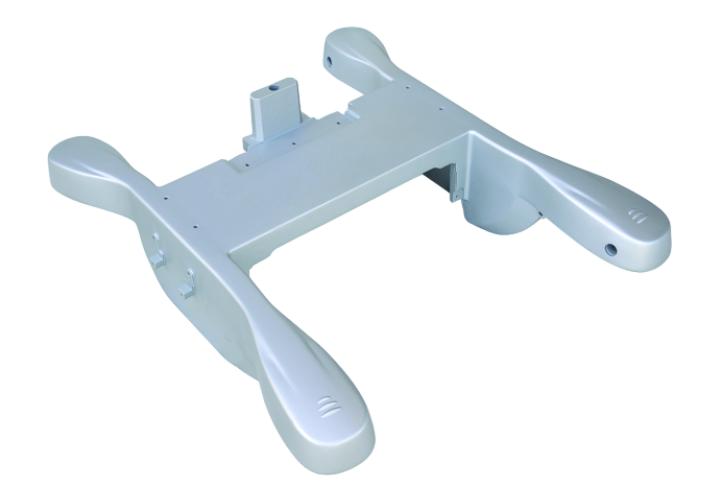
best zinc die casting parts
30
2026-09
The Art of Crafting Durable Aluminum Casts for Industrial Applications
27
2026-09
The Essential Guide to Die Casting: Techniques, Applications, and Benefits
24
2026-09
How to Stay Ahead in Mold Forging: Insights for Manufacturers
21
2026-09
The Essential Guide to Forging Molds: Understanding Their Importance in Manufacturing
18
2026-09
Zinc Die Casting Parts: A Premier Cost-Effective Solution for Customized Manufacturing
15
2026-09
The Intricacies of Zinc Alloy Die Casting: A Comprehensive Overview
12
2026-09
The Art of Creating Intricate Designs Through Aluminum Prototype Casting
GM Diecasting Technology Co.,Limited.
Add:Building 1-5, Chongke Road, Shipai Town, Dongguan City, Guangdong Province
Email:henry@gmdiecastingtech.com
Email:lily@gmdiecastingtech.com
Tel:+8613680864695