



19
2024
-
04
The Ultimate Guide to best Zinc Casting: Everything You Need to Know
Author:
---
# Introduction to Zinc Casting
Zinc casting is a popular manufacturing process used in the production of various components and products. In this guide, we will explore everything you need to know about zinc casting, from the basics to the advanced techniques.
## What is Zinc Casting?
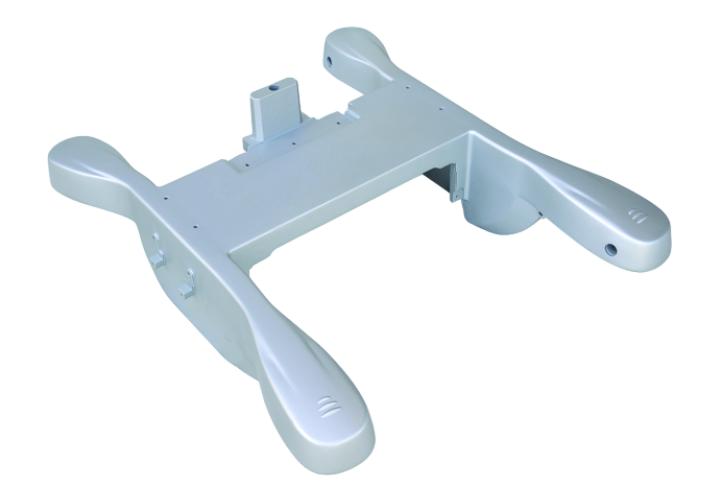
Zinc casting is a manufacturing process that involves melting zinc and pouring it into molds to create specific shapes and designs. This process is commonly used in the production of parts and components for a wide range of industries, including automotive, electronics, and more.
### Benefits of Zinc Casting
- **Durable**: Zinc castings are known for their durability and strength, making them ideal for applications that require high performance.
- **Cost-effective**: Zinc casting is a cost-effective manufacturing process, allowing for the production of complex parts at a lower cost.
- **Precision**: Zinc casting offers high precision and accuracy, ensuring that the final products meet strict quality standards.
# The Zinc Casting Process
## Step 1: Melting and Casting
The first step in the zinc casting process is melting the zinc material in a furnace. Once the zinc reaches the desired temperature, it is poured into molds to create the desired shapes.
## Step 2: Cooling and Solidification
After the molten zinc is poured into the molds, it is allowed to cool and solidify. This process helps to form the final shape of the casting.
## Step 3: Removal from the Mold
Once the zinc has solidified, the casting is removed from the mold. Any excess material is trimmed off, and the casting is ready for further processing.
# Applications of Zinc Casting
Zinc casting is used in a wide range of industries and applications, including:
- Automotive components
- Electronics
- Consumer goods
- Medical devices
- And more
# FAQs
## 1. Is zinc casting suitable for high-volume production?
Yes, zinc casting is ideal for high-volume production due to its cost-effectiveness and efficiency.
## 2. What are the advantages of using zinc casting over other manufacturing processes?
Zinc casting offers several advantages, including durability, cost-effectiveness, and precision.
## 3. Can zinc castings be customized for specific applications?
Yes, zinc castings can be customized to meet the specific requirements of different applications.
## 4. How long does the zinc casting process take?
The time required for the zinc casting process depends on the complexity of the part and the volume of production.
## 5. What are the environmental benefits of zinc casting?
Zinc casting is a sustainable manufacturing process that produces minimal waste and can be recycled multiple times.
# Conclusion
In conclusion, zinc casting is a versatile and cost-effective manufacturing process that offers numerous benefits for various industries. By understanding the basics of zinc casting and its applications, you can make informed decisions about incorporating this process into your production operations.
best Zinc Casting

03
2026-10
The Versatility and Advantages of Aluminum Alloys in Modern Applications
30
2026-09
The Art of Crafting Durable Aluminum Casts for Industrial Applications
27
2026-09
The Essential Guide to Die Casting: Techniques, Applications, and Benefits
24
2026-09
How to Stay Ahead in Mold Forging: Insights for Manufacturers
21
2026-09
The Essential Guide to Forging Molds: Understanding Their Importance in Manufacturing
18
2026-09
Zinc Die Casting Parts: A Premier Cost-Effective Solution for Customized Manufacturing
15
2026-09
The Intricacies of Zinc Alloy Die Casting: A Comprehensive Overview
GM Diecasting Technology Co.,Limited.
Add:Building 1-5, Chongke Road, Shipai Town, Dongguan City, Guangdong Province
Email:henry@gmdiecastingtech.com
Email:lily@gmdiecastingtech.com
Tel:+8613680864695