
11

2025

-

01

The role of Zinc alloy mold in electronic equipment manufacturing

Author:


In the field of electronic equipment manufacturing, Zinc alloy mold plays an extremely important role.

Zinc alloy mold has the characteristics of high precision, which can ensure the accurate size of the electronic equipment parts produced. This is crucial for the assembly and performance of electronic equipment. Accurate molds can ensure the perfect fit between the various components, thereby achieving stable operation and efficient performance of the equipment.
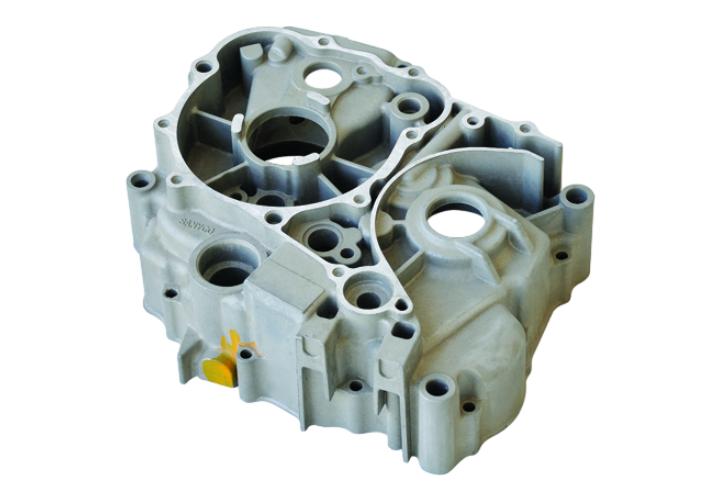
Zinc alloy mold

It also has good wear resistance and durability. In the large-scale production process, the mold needs to withstand repeated use and impact. Zinc alloy mold can maintain its shape and performance for a long time, thereby effectively reducing production costs and improving production efficiency.

In terms of the appearance design of electronic equipment, Zinc alloy mold also contributes. It can shape a variety of complex and exquisite shapes and textures to meet consumers' needs for the beauty and personalization of electronic equipment. Through the fine processing of the mold, it can give electronic equipment a unique appearance, enhance the attractiveness and market competitiveness of the product.

In addition, the stability of Zinc alloy mold also provides reliable guarantee for electronic equipment manufacturing. It can ensure the consistency and repeatability of the production process, so that each batch of products has the same quality and performance standards.

Moreover, Zinc alloy mold has strong adaptability and can be customized and adjusted according to the needs of different electronic devices. Whether it is a small electronic component or a large shell structure, it can be efficiently produced through a suitable Zinc alloy mold.

Zinc alloy mold

06

2026-10

Innovative Uses of Zinc Alloy in Sustainable Energy Solutions

Innovative Uses of Zinc Alloy in Sustainable Energy Solutions Introduction to Zinc Alloy and Its Importance Zinc alloy, a blend of zinc with other metals such as aluminum, copper, and magnesium, has garnered significant attention in various industries due to its superior properties. Its lightweight nature, corrosion resistance, and excellent mechanical strength make it an ideal choice for applicat

03

2026-10

The Versatility and Advantages of Aluminum Alloys in Modern Applications

Aluminum alloys are a pivotal component in the metallurgy and energy sectors. Due to their combination of lightweight properties, strength, and corrosion resistance, these alloys have become a favored material in numerous applications. Understanding aluminum alloys is essential for industries looking to optimize their manufacturing processes and product performance. Aluminum alloys are categorized

30

2026-09

The Art of Crafting Durable Aluminum Casts for Industrial Applications

The Art of Crafting Durable Aluminum Casts for Industrial Applications Aluminum casting has emerged as a crucial technique in the manufacturing sector, particularly for creating components that require both strength and lightweight properties. Understanding the nuances of this process is vital for industries ranging from automotive to aerospace. This article explores the multifaceted art of alumin

27

2026-09

The Essential Guide to Die Casting: Techniques, Applications, and Benefits

Die casting is a highly efficient metal casting process that involves forcing molten metal into a mold cavity under high pressure. This method is widely used in various industries due to its ability to produce complex shapes with high dimensional accuracy and a smooth surface finish. The die casting process is particularly significant in the manufacturing of machinery components, automotive parts,

24

2026-09

How to Stay Ahead in Mold Forging: Insights for Manufacturers

How to Stay Ahead in Mold Forging: Insights for Manufacturers Table of Contents Introduction to Mold Forging Understanding Mold Forging Processes Latest Technologies in Mold Forging The Importance of Material Selection Optimizing Manufacturing Processes for Efficiency Quality Control and Assurance in Mold Forging Sustainability in Mold Forging Practic

21

2026-09

The Essential Guide to Forging Molds: Understanding Their Importance in Manufacturing

Forging molds are specialized tools used in the forging process, which involves shaping metal through compressive forces. This method is prevalent in industries that require high-strength components, such as automotive, aerospace, and construction. The use of forging molds allows manufacturers to create precise and durable parts that meet stringent specifications. One of the key advantages of usin

18

2026-09

Zinc Die Casting Parts: A Premier Cost-Effective Solution for Customized Manufacturing

Zinc Die Casting Parts: A Premier Cost-Effective Solution for Customized Manufacturing Table of Contents 1. Introduction to Zinc Die Casting 2. Benefits of Zinc Die Casting Parts in Custom Manufacturing 2.1 Cost Efficiency 2.2 High-Quality Finishes 2.3 Design Freedom and Complexity 2.4 Environmental Impact

15

2026-09

The Intricacies of Zinc Alloy Die Casting: A Comprehensive Overview

Zinc alloy die casting is a pivotal process in the realm of manufacturing, known for its ability to produce high-quality, intricate metal components with remarkable precision. This method leverages the unique properties of zinc alloys, which exhibit an excellent balance of strength, corrosion resistance, and fluidity. These characteristics make zinc alloys particularly suitable for die casting, en