



22
2024
-
08
Understanding China Forging Molds: A Key Component in Metalworking
Author:
Forging molds are tools used to shape metal through the application of compressive forces. The process involves heating the metal to a malleable state and then compressing it within the mold to achieve the desired shape. This method not only enhances the mechanical properties of the metal but also ensures that components are produced with high precision and minimal waste.
China has established itself as a global powerhouse in manufacturing, particularly in sectors that rely heavily on forged components. The country's extensive experience in forging technology allows manufacturers to create a wide range of products, from automotive parts to industrial machinery components. The efficiency of the forging process, coupled with the advanced materials used in mold production, ensures that the final products meet stringent quality standards.
The materials used for forging molds can vary significantly. Commonly, molds are made from high-strength steel or alloy materials that can withstand repeated high-pressure cycles without deforming. The choice of material is critical, as it directly affects the durability of the mold and the quality of the forged product. Manufacturers often select materials based on the specific requirements of the application, such as the type of metal being forged and the complexity of the mold design.
One of the significant advantages of using forging molds is their ability to produce components with superior mechanical properties compared to those made using traditional machining methods. The forging process aligns the grain structure of the metal, resulting in parts that exhibit increased strength and resilience. This is particularly beneficial for industries requiring high-performance components, such as aerospace and automotive applications.
Moreover, forging molds can be designed for high-volume production, making them an economical choice for manufacturers aiming to meet large-scale demand. The efficiency of the process not only reduces production time but also minimizes material waste, contributing to more sustainable manufacturing practices.
In summary, understanding the role of China forging molds is essential for anyone involved in the manufacturing and machining industries. These molds are not just tools; they are critical components that enhance the quality and efficiency of metal production processes. As the industry continues to evolve, innovations in forging technology and mold design are likely to further improve the capabilities of manufacturers in China and beyond.
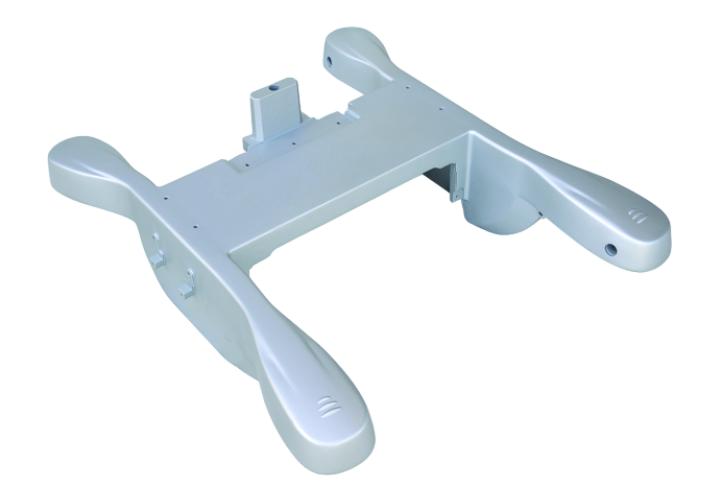
china forging mold
30
2026-09
The Art of Crafting Durable Aluminum Casts for Industrial Applications
27
2026-09
The Essential Guide to Die Casting: Techniques, Applications, and Benefits
24
2026-09
How to Stay Ahead in Mold Forging: Insights for Manufacturers
21
2026-09
The Essential Guide to Forging Molds: Understanding Their Importance in Manufacturing
18
2026-09
Zinc Die Casting Parts: A Premier Cost-Effective Solution for Customized Manufacturing
15
2026-09
The Intricacies of Zinc Alloy Die Casting: A Comprehensive Overview
12
2026-09
The Art of Creating Intricate Designs Through Aluminum Prototype Casting
GM Diecasting Technology Co.,Limited.
Add:Building 1-5, Chongke Road, Shipai Town, Dongguan City, Guangdong Province
Email:henry@gmdiecastingtech.com
Email:lily@gmdiecastingtech.com
Tel:+8613680864695