



10
2024
-
09
Understanding Zinc Alloy Molds: Key Insights for Manufacturing Professionals
Author:
One of the primary advantages of zinc alloy molds is their excellent fluidity. This characteristic allows for the creation of complex geometries and fine details in the final product, making them particularly useful in industries that require high-precision components. Additionally, zinc alloys have a relatively low melting point, which translates to shorter cycle times and increased productivity in manufacturing processes.
Another significant benefit of using zinc alloy molds is their durability. Zinc alloys exhibit good wear resistance, which means that molds can withstand repeated use without significant degradation. This longevity reduces the overall cost of production as it minimizes the frequency of mold replacement and maintenance. Moreover, the ability to produce high-quality surface finishes further enhances the appeal of zinc alloy molds.
Zinc alloys are also known for their ability to be easily machined and modified. This flexibility allows manufacturers to make quick adjustments to mold designs based on specific requirements or client feedback. Consequently, this adaptability can lead to a more efficient manufacturing process, as it enables faster prototyping and reduced lead times.
In terms of applications, zinc alloy molds are commonly used in various sectors, including automotive, electronics, and consumer goods. They are particularly suitable for producing components such as housings, brackets, and intricate parts that require a high degree of detail and surface quality. Their lightweight nature also contributes to overall reductions in product weight, which is a significant consideration in today’s manufacturing landscape.
When considering zinc alloy molds, it is essential to engage with experienced suppliers who understand the specific needs of your project. Collaborating with professionals who have expertise in zinc alloy specifications, mold design, and production methods can significantly impact the success of your manufacturing endeavors.
In summary, zinc alloy molds are a valuable asset in the manufacturing process, providing numerous benefits such as excellent fluidity, durability, and ease of modification. By understanding the importance of these molds, manufacturing professionals can make informed decisions that enhance product quality and optimize production efficiency. Embracing zinc alloy molds in your operations could lead to innovative solutions and competitive advantages in the ever-evolving manufacturing landscape.
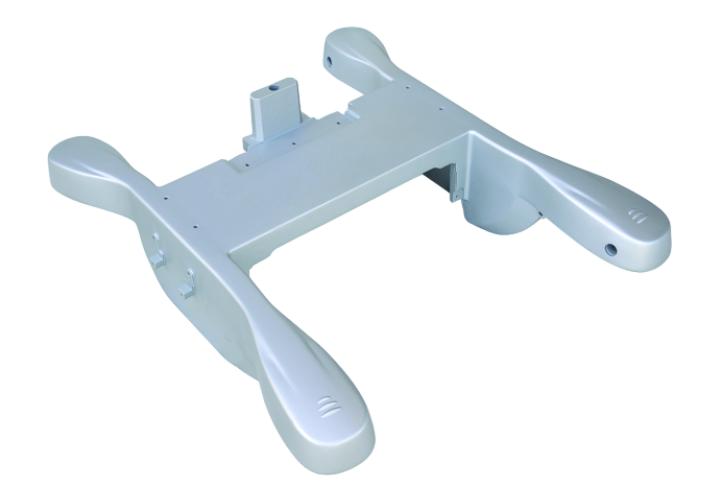
Zinc alloy mold
30
2026-09
The Art of Crafting Durable Aluminum Casts for Industrial Applications
27
2026-09
The Essential Guide to Die Casting: Techniques, Applications, and Benefits
24
2026-09
How to Stay Ahead in Mold Forging: Insights for Manufacturers
21
2026-09
The Essential Guide to Forging Molds: Understanding Their Importance in Manufacturing
18
2026-09
Zinc Die Casting Parts: A Premier Cost-Effective Solution for Customized Manufacturing
15
2026-09
The Intricacies of Zinc Alloy Die Casting: A Comprehensive Overview
12
2026-09
The Art of Creating Intricate Designs Through Aluminum Prototype Casting
GM Diecasting Technology Co.,Limited.
Add:Building 1-5, Chongke Road, Shipai Town, Dongguan City, Guangdong Province
Email:henry@gmdiecastingtech.com
Email:lily@gmdiecastingtech.com
Tel:+8613680864695