



15
2024
-
06
Unleashing the Potential of Aluminum Alloy Mold Design
Author:
The manufacturing and processing machinery industry plays a crucial role in various sectors, including automotive, aerospace, electronics, and more. One key component in this industry is mold design, which is essential for creating precision parts and components. Aluminum alloy mold design, in particular, offers a range of benefits that can revolutionize the manufacturing process.
Understanding the Benefits of Aluminum Alloy Mold Design
Aluminum alloy mold design is known for its high strength-to-weight ratio, corrosion resistance, and thermal conductivity. These properties make it an ideal material for creating molds that can withstand high temperatures and pressure during the manufacturing process. Additionally, aluminum alloy molds are lightweight, making them easier to handle and transport compared to traditional steel molds.
Maximizing Efficiency and Productivity
By utilizing aluminum alloy mold design, manufacturers can increase efficiency and productivity in their production processes. The lightweight nature of aluminum molds allows for faster cooling times, reducing cycle times and increasing overall output. This leads to cost savings and improved profitability for manufacturers in the long run.
Innovations in Aluminum Alloy Mold Design
Recent advancements in aluminum alloy mold design have further enhanced its capabilities and performance. From CNC machining to 3D printing technologies, manufacturers now have a wide range of tools at their disposal to create intricate and complex molds with precision and accuracy. These innovations have opened up new possibilities in mold design, allowing for the creation of customized and specialized molds for specific applications.
Key Considerations for Aluminum Alloy Mold Design
When designing aluminum alloy molds, it is essential to consider factors such as material selection, mold geometry, and surface finish. Choosing the right aluminum alloy grade for the application is critical to ensuring the mold's durability and longevity. Additionally, optimizing the mold geometry and surface finish can improve part quality and reduce defects in the manufacturing process.
FAQs
1. What are the advantages of using aluminum alloy molds?
- Aluminum alloy molds offer high strength-to-weight ratio, corrosion resistance, and thermal conductivity.
2. How can aluminum alloy mold design improve efficiency in manufacturing processes?
- Aluminum alloy molds have faster cooling times, reducing cycle times and increasing overall output.
3. What innovations have been made in aluminum alloy mold design?
- Advancements in CNC machining and 3D printing technologies have enhanced the capabilities of aluminum alloy molds.
4. What factors should be considered when designing aluminum alloy molds?
- Material selection, mold geometry, and surface finish are key considerations for aluminum alloy mold design.
Conclusion
In conclusion, aluminum alloy mold design is a powerful tool that can unleash the potential of manufacturing and processing machinery. By leveraging the benefits of aluminum alloy molds and embracing innovation in mold design, manufacturers can improve efficiency, productivity, and profitability in their operations. With the right approach and attention to detail, aluminum alloy mold design has the potential to transform the manufacturing industry and drive future growth and success.
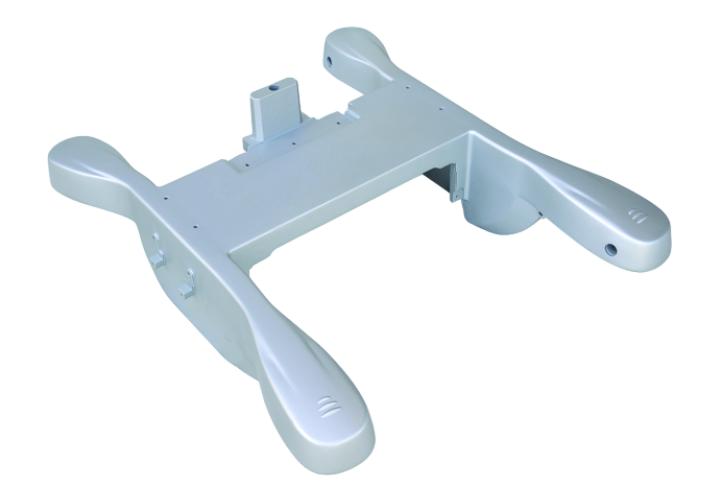
Aluminum alloy mold
30
2026-09
The Art of Crafting Durable Aluminum Casts for Industrial Applications
27
2026-09
The Essential Guide to Die Casting: Techniques, Applications, and Benefits
24
2026-09
How to Stay Ahead in Mold Forging: Insights for Manufacturers
21
2026-09
The Essential Guide to Forging Molds: Understanding Their Importance in Manufacturing
18
2026-09
Zinc Die Casting Parts: A Premier Cost-Effective Solution for Customized Manufacturing
15
2026-09
The Intricacies of Zinc Alloy Die Casting: A Comprehensive Overview
12
2026-09
The Art of Creating Intricate Designs Through Aluminum Prototype Casting
GM Diecasting Technology Co.,Limited.
Add:Building 1-5, Chongke Road, Shipai Town, Dongguan City, Guangdong Province
Email:henry@gmdiecastingtech.com
Email:lily@gmdiecastingtech.com
Tel:+8613680864695