



11
2024
-
10
Unlocking Quality: The Secrets of Mold Forging in China
Author:
Unlocking Quality: The Secrets of Mold Forging in China
Table of Contents
1. Understanding Mold Forging: An Overview
2. The Importance of Quality in Mold Forging
3. Key Techniques Used in Mold Forging
3.1 Hot Forging vs. Cold Forging
3.2 Precision Machining and Its Role
4. Advantages of Mold Forging in China
4.1 Cost Efficiency and Production Scalability
4.2 Access to Advanced Technology
5. Quality Control Measures in Mold Forging
6. Challenges in the Mold Forging Industry
7. Future Trends in Mold Forging in China
8. FAQs About Mold Forging
9. Conclusion
1. Understanding Mold Forging: An Overview
Mold forging is a critical process in the manufacturing sector, especially within industries such as automotive, aerospace, and electronics. This technique involves shaping metal into desired forms through the application of high pressure and temperature. In China, mold forging has evolved into an art form, characterized by its emphasis on precision and quality.
The process typically begins with the selection of appropriate materials, which can include steel, aluminum, and various alloys. The chosen material is then heated and formed in molds, resulting in components that meet stringent specifications. Understanding this foundational process is crucial for anyone looking to delve deeper into the nuances of mold forging in China.
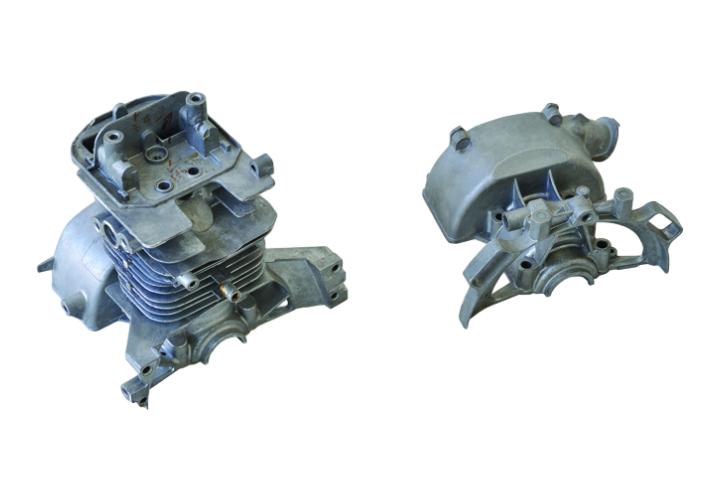
2. The Importance of Quality in Mold Forging
Quality is paramount in mold forging, as it directly impacts the performance and longevity of the manufactured parts. High-quality molds ensure that products are uniform, durable, and reliable. In industries where safety and performance are non-negotiable, such as automotive and aerospace, the importance of quality in mold forging cannot be overstated.
Mold flaws can lead to catastrophic failures, which is why investing in quality assurance processes is essential. This not only enhances product integrity but also fosters customer trust and brand loyalty.
3. Key Techniques Used in Mold Forging
Mold forging involves various techniques that enhance the precision and efficiency of the manufacturing process. Two significant methods are hot forging and cold forging.
3.1 Hot Forging vs. Cold Forging
Hot forging is carried out at elevated temperatures, allowing metal to be easily shaped without fracturing. This method is ideal for large components and complex shapes, as the heated material is more malleable. Conversely, cold forging is performed at room temperature, which often results in stronger, more precise parts due to the work hardening of the material.
Understanding when to utilize hot or cold forging is crucial for achieving the desired mechanical properties and dimensions in the final product.
3.2 Precision Machining and Its Role
Precision machining complements mold forging by enhancing the dimensional accuracy of the forged parts. Techniques such as Computer Numerical Control (CNC) machining enable manufacturers to create intricate designs with high tolerances. This integration of mold forging and precision machining is particularly prevalent in industries demanding high levels of accuracy.
4. Advantages of Mold Forging in China
China has positioned itself as a global leader in mold forging, owing to several key advantages.
4.1 Cost Efficiency and Production Scalability
One of the standout benefits of mold forging in China is cost efficiency. The combination of skilled labor and advanced manufacturing technologies allows Chinese companies to produce high-quality molds at competitive prices. Additionally, the scalability of production ensures that manufacturers can meet varying levels of demand without compromising quality.
4.2 Access to Advanced Technology
China’s investment in modern manufacturing technologies, such as automation and robotics, enhances the mold forging process. These technologies streamline operations, reduce lead times, and improve overall product quality. As a result, companies can achieve faster turnaround times, which is invaluable in today’s fast-paced market.
5. Quality Control Measures in Mold Forging
Implementing robust quality control measures is essential for maintaining high standards in mold forging. This includes regular inspections throughout the production process, from material selection to final product testing.
Advanced methodologies such as Six Sigma and Total Quality Management (TQM) are often employed to minimize defects and optimize production processes. These practices ensure that every component meets the required specifications, reducing the risk of failures in the field.
6. Challenges in the Mold Forging Industry
Despite the advantages, the mold forging industry in China faces several challenges.
One significant issue is the rising cost of raw materials, which can impact profit margins. Additionally, maintaining a skilled workforce is a continuous concern, especially with rapid technological advancements. Manufacturers must invest in training and development to ensure their employees are equipped with the necessary skills.
7. Future Trends in Mold Forging in China
The future of mold forging in China looks promising, with several key trends emerging.
**Sustainability** is gaining traction, with manufacturers exploring eco-friendly materials and processes. Automation and artificial intelligence are also set to revolutionize the industry, enhancing efficiency and precision. Furthermore, the growing demand for lightweight materials in industries such as aerospace will likely influence the evolution of mold forging techniques.
8. FAQs About Mold Forging
What is mold forging?
Mold forging is a manufacturing process that shapes metal into specific forms using high pressure and temperature in molds.
What are the benefits of mold forging?
Benefits include high precision, improved mechanical properties, and the ability to produce complex shapes efficiently.
How does mold forging differ from casting?
Mold forging involves deformation of material, while casting involves pouring molten material into molds.
What industries benefit from mold forging?
Industries such as automotive, aerospace, electronics, and heavy machinery benefit significantly from mold forging.
What quality control measures should be implemented in mold forging?
Regular inspections, adherence to manufacturing standards, and methodologies like Six Sigma are essential for quality control.
9. Conclusion
Mold forging in China represents a unique blend of tradition and innovation, underscoring the importance of quality in manufacturing. By understanding the techniques, advantages, and quality control measures associated with this process, manufacturers can unlock the secrets to achieving superior quality in their products. As the industry evolves, staying abreast of emerging trends will be critical for maintaining a competitive edge. The future of mold forging in China is bright, promising enhanced efficiency, sustainability, and continued excellence in quality.
mold forging china
30
2026-09
The Art of Crafting Durable Aluminum Casts for Industrial Applications
27
2026-09
The Essential Guide to Die Casting: Techniques, Applications, and Benefits
24
2026-09
How to Stay Ahead in Mold Forging: Insights for Manufacturers
21
2026-09
The Essential Guide to Forging Molds: Understanding Their Importance in Manufacturing
18
2026-09
Zinc Die Casting Parts: A Premier Cost-Effective Solution for Customized Manufacturing
15
2026-09
The Intricacies of Zinc Alloy Die Casting: A Comprehensive Overview
12
2026-09
The Art of Creating Intricate Designs Through Aluminum Prototype Casting
GM Diecasting Technology Co.,Limited.
Add:Building 1-5, Chongke Road, Shipai Town, Dongguan City, Guangdong Province
Email:henry@gmdiecastingtech.com
Email:lily@gmdiecastingtech.com
Tel:+8613680864695